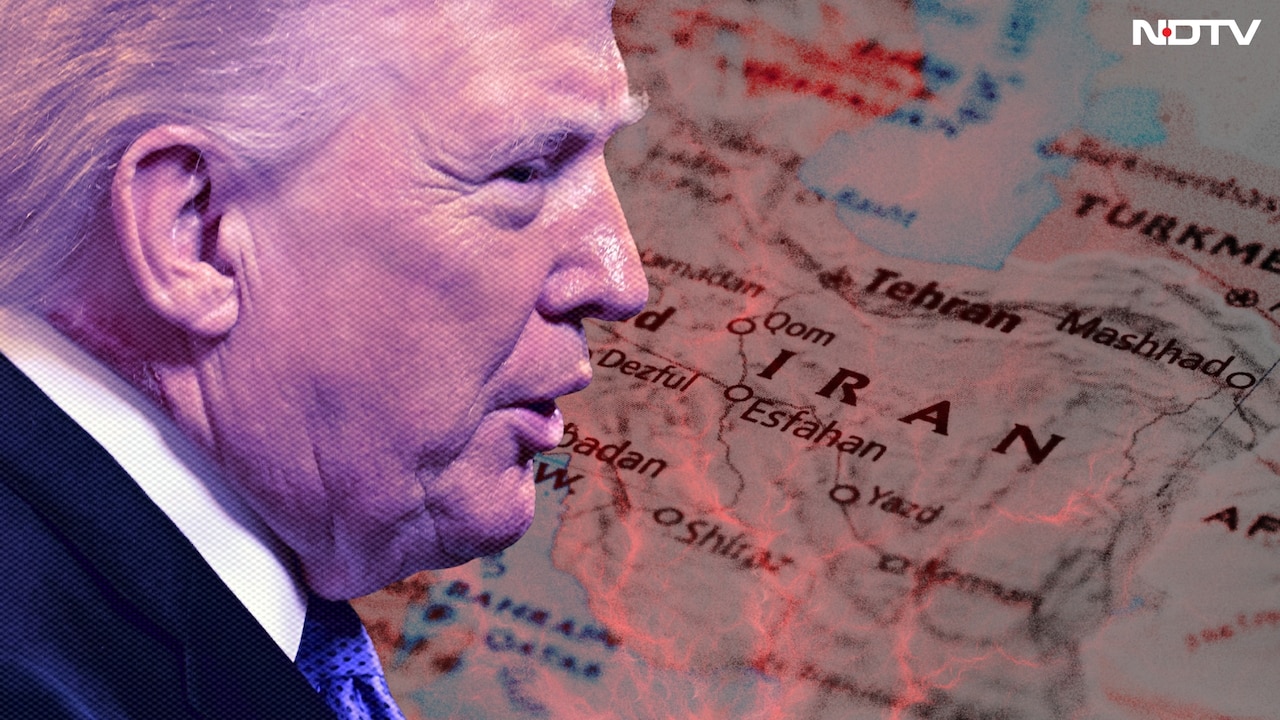
What was promised as a quick, decisive punch against Tehran is quietly morphing into an open-ended quagmire. If you thought the conflict with Iran would wrap up neatly, look at the calendar. US service members are now staring down extended deployments stretching deep into 2027.
Defense Secretary Pete Hegseth initially pitched this operation as a short campaign. It's not working out that way. The Pentagon is quietly extending boots-on-the-ground rotations from nine months out to a grueling twelve months. Units pulled from Europe and the Pacific are finding themselves locked into Middle Eastern rotations lasting well over a year.
That is not how short wars work. That is how permanent commitments begin.
The Stretched Footprint on the Ground and at Sea
Look at the raw numbers. Roughly 50,000 US troops are currently stationed across the theater. Nineteen warships patrol the waters, including two aircraft carriers and thirteen guided-missile destroyers.
Destroyers like the USS Delbert D. Black and the USS Spruance were sent in early to anchor the naval blockade. Crews are burning through months at sea without standard breaks. Ships need maintenance. Sailors need rest. Instead, they are locked into an endless cycle of maritime enforcement.
Air defense units and paratroopers are facing the exact same strain. Equipment is breaking down faster than supply lines can fix it. Military families back home are absorbing the psychological toll of extensions nobody signed up for.
The Pivot to Economic Chokeholds
Donald Trump is currently shifting tactics behind closed doors. Rather than committing to daily ground combat, the administration is betting everything on maximum economic starvation.
The strategy relies on a total squeeze of the Hormuz Strait, paired with secondary sanctions aimed at anyone trying to trade with Tehran. Trump wants to force the Iranian leadership back to the negotiating table by collapsing their entire economy from the outside.
He recently boasted about controlling the strait and watching the Iranian economy buckle. But economic pressure rarely moves in a straight line. Tehran isn't folding overnight. Instead, they are absorbing the blow while US forces stay locked in high-alert postures, waiting for orders that might never come.
Political Pressures and Domestic Fallout
Back in Washington, political advisors are sweating the electoral calendar. Midterm elections are coming up fast. Senior aides have privately warned the White House that an expanding, endless Middle Eastern entanglement could damage Republican candidates at the ballot box.
Trump claims he doesn't factor elections into military decisions. Even so, the political reality remains brutal. Voters hate open-ended wars. They remember campaign promises of quick exits. When deployments stretch into multi-year commitments, public patience evaporates.
Yet, the administration refuses to back down. Trump keeps signaling that the US can launch strikes anywhere, anytime, pointing to shattered Iranian radar systems and total surveillance control.
What Happens Next
The friction between political rhetoric and ground reality is reaching a boiling point. You have an administration wanting to declare victory through economic coercion, paired with a military apparatus forced to hold hostile territory indefinitely.
If you are tracking geopolitical risk or military readiness, keep a close eye on troop rotation orders heading into the winter. Watch whether those twelve-month extensions creep up to eighteen. Wars often start with a single speech, but they end when reality finally catches up with the strategy.
Check your readiness plans, review your logistics assumptions, and prepare for a long-haul conflict in the Gulf that nobody planned for.

.png?width=1200&auto=webp&trim=0%2C0%2C0%2C0)