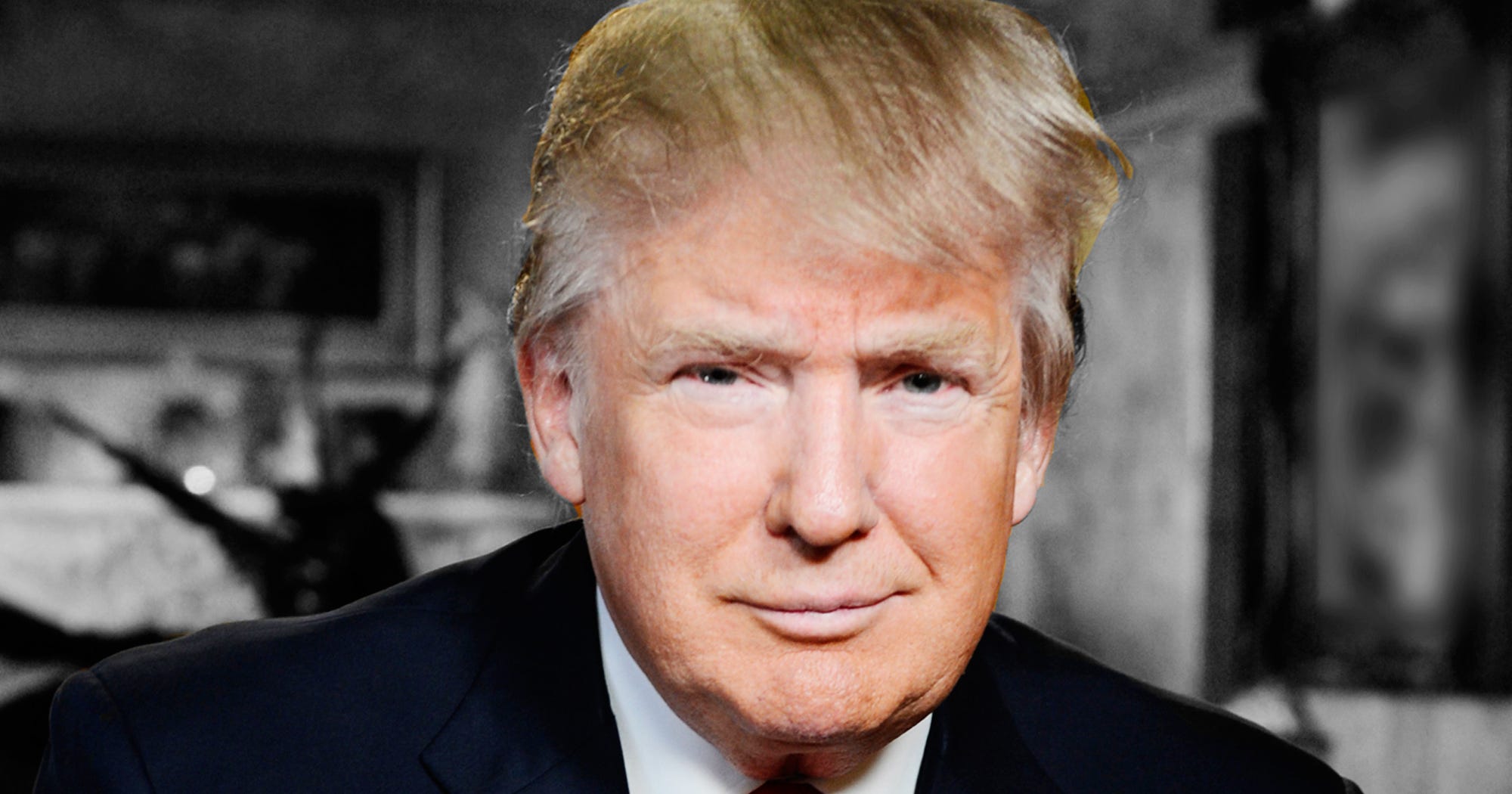
The rules governing how millions of Americans cast their ballots are sitting on a knife-edge. President Donald Trump's executive order targeting mail-in voting, designed to centralize federal oversight over state-run elections, has triggered an aggressive multi-front legal war. With the November midterm elections fast approaching, voters, state officials, and federal agencies are caught in a dizzying loop of conflicting court orders, emergency appeals, and sudden postal service rulemakings.
If you are wondering how this affects your ability to vote by mail, you aren't alone. The legal framework is shifting by the week. Meanwhile, you can explore other stories here: Why Lula Won The Presidency But Lost The War In Congress.
What the Executive Order Actually Does
Back in March, President Trump issued an executive order titled "Ensuring Citizenship Verification and Integrity in Federal Elections". The directive aims to reshape the mechanics of mail-in voting by forcing a couple of major administrative changes.
First, it orders the Department of Homeland Security and other federal entities to compile state-by-state lists of confirmed U.S. citizens eligible to vote. Second—and most controversially—it instructs the United States Postal Service to handle outbound and return ballots only for individuals enrolled on specific state participation lists, complete with unique barcodes for tracking. It also directs the Department of Justice to prioritize investigating election officials who issue ballots to anyone deemed ineligible by federal metrics. To understand the complete picture, we recommend the recent article by The Guardian.
The administration frames these adjustments as commonsense safeguards. Critics and a coalition of Democratic-led states view them as an unconstitutional attempt to seize control of state election administration and suppress voter turnout on the eve of a high-stakes congressional election.
The Legal Ping-Pong Game
The battle lines were drawn almost immediately after the directive was signed. A coalition of 23 states plus the District of Columbia rushed to federal court, arguing that the executive branch has zero constitutional authority to dictate local election logistics.
U.S. District Judge Indira Talwani stepped in with a preliminary injunction, ruling that the executive actions were likely ultra viries—beyond the legal powers of the presidency—and violated core separation-of-powers principles. Separate lawsuits brought by voting rights organizations piled on additional blocks, specifically targeting the postal service's ability to alter delivery standards.
Yet, the legal landscape took a sharp turn when the U.S. Supreme Court stepped into the fray. The high court's conservative majority lifted a key judicial hurdle, siding with the Justice Department's argument that the states filed their lawsuits too prematurely and suffered no immediate, concrete harm from the core directive itself.
Even so, that Supreme Court win didn't grant the administration a total victory. Separate nationwide injunctions keeping the Postal Service from enforcing the tighter mail restrictions remain active, leaving election administrators in complete limbo.
The Postal Service Caught in the Middle
While judges argue over jurisdiction, the USPS has tried to push forward. The agency published a massive final rule outlining compliance procedures. It states that the Postal Service will require states to submit eligible voter lists well ahead of election day and incorporate strict tracking measures.
At the same time, the USPS explicitly acknowledged the active federal court orders standing in its way. The agency noted it will not implement the restrictions for the upcoming midterms unless the remaining judicial blocks are successfully lifted.
State attorneys general have made it clear they aren't backing down. New York Attorney General Letitia James and California Governor Gavin Newsom have both signaled that further legal challenges are locked and loaded the moment the administration tries to activate the rules.
What Happens Next for Voters
Uncertainty is the only guarantee right now. Lower courts are still weighing the merits of whether the executive branch can legally reshape mail delivery mechanics for federal ballots.
If you rely on mail-in or absentee voting, keep a close eye on updates from your specific regional election office. State laws dictate how your ballot is requested, processed, and counted, and local election boards remain bound by existing state statutes while the federal courts sort out this high-stakes showdown. Double-check your local deadlines and guidelines directly through official state election portals rather than relying on blanket national headlines.