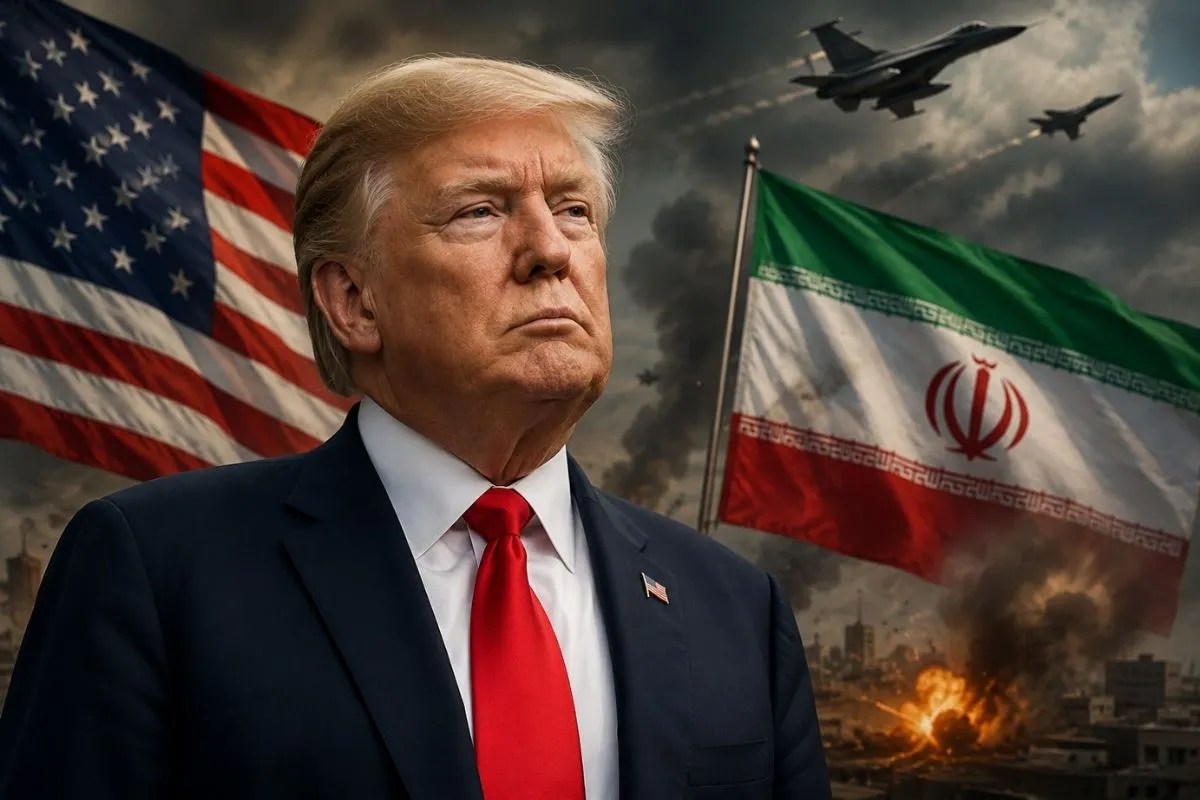
Geopolitical chess boards rarely stay quiet for long, and Washington is once again shifting the pieces in a way that sends immediate shockwaves across the Middle East. When world leaders gather for the United Nations General Assembly, everyone watches the podium, but the real action happens behind closed doors and in high-stakes diplomatic maneuvering. Donald Trump's upcoming address and diplomatic schedule aren't just standard diplomatic theater; they signal a sharp escalation in economic pressure and nuclear oversight regarding the Iran nuclear program[cite: 1].
If you've been wondering why energy markets are jittery and Gulf nations are suddenly holding emergency consultations, you need to look past the empty rhetoric. The strategy unfolding right now combines aggressive financial sanctions, strategic alignments with Gulf states, and a renewed push at the UN to box Tehran into a corner[cite: 1].
The Core Strategy Behind the UN Push
Let's cut through the standard diplomatic noise. The primary objective driving Washington's current posture is simple: absolute containment. According to statements from U.S. representatives like UN Ambassador Mike Waltz, the central theme of Trump's agenda is making sure Iran never crosses the threshold into possessing nuclear weapons[cite: 1].
The administration is leaning heavily on legacy UN Security Council resolutions, weaponizing international legal frameworks to re-impose compliance pressure[cite: 1]. But this isn't just about non-proliferation on paper. It's about choking off the financial lifelines that sustain Tehran's regional influence.
Notice how the mechanics of this play out:
- Washington has kept the door open for an Iranian delegation by granting visas, though notably trimmed down compared to previous years[cite: 1].
- Simultaneously, secondary sanctions are tightening, aimed squarely at entities in countries like China and Hong Kong that act as conduits for Iranian oil revenue[cite: 1].
- Moscow and Beijing have already blocked independent monitoring mechanisms at the UN Security Council, turning the floor of the UN into a proxy battleground for broader global supremacy[cite: 1].
This friction means that any hope of a quick, negotiated breakthrough is basically dead. We're looking at a prolonged standoff where economic strangulation is the weapon of choice.
Why Gulf Nations Are Sweating
It's easy to view these developments through a purely Western lens, but the anxiety in the Gulf Cooperation Council capitals is palpable for a reason. Regional leaders know that when Washington turns up the heat on Tehran, the immediate blowback often lands on their own doorstep.
The Strait of Hormuz remains the ultimate geopolitical chokepoint. A massive share of global energy supply flows through this narrow maritime corridor, making it an economic jugular vein. While alternative pipeline routes have marginally reduced total dependence, any serious flare-up in the region sends immediate shivers down the spine of global energy traders[cite: 1].
We've already seen Brent crude pushing past 100 dollars per barrel amid these mounting pressures[cite: 1]. When energy costs spike, inflation follows, hitting consumers worldwide. Gulf capitals are caught in a difficult balancing act: they want containment of Iranian ambitions, but they desperately want to avoid a hot war on their borders that could disrupt trade, tourism, and stability.
The Broader Global Agenda
Trump's New York schedule isn't a one-trick pony. While the Iran nuclear program dominates the political headlines, the broader diplomatic itinerary includes heavy hitters like the UK and Japanese prime ministers, alongside discussions spanning Gaza peace frameworks, artificial intelligence regulations, and under-sea internet cable infrastructure[cite: 1].
Yet, beneath those tech and infrastructure panels, the shadow of Middle Eastern volatility looms large. Every conversation about global supply chains or digital security ultimately loops back to geopolitical stability. If maritime trade lanes in the Gulf face threats or if secondary sanctions force major Asian economies into a corner, tech supply chains and commodity markets feel the tremor immediately.
What Happens Next
If you're tracking where this goes, keep your eyes on enforcement mechanisms rather than speeches. Speeches buy headlines, but asset freezes, shipping insurance crackdowns, and trade penalties dictate reality.
Iran's economy is already buckling under years of accumulated restrictions, yet the regime has proven remarkably resilient at finding shadow buyers and workaround financial channels, particularly through Asian intermediaries[cite: 1]. As Washington tightens the screws further through 2031-targeted legislative frameworks and strict enforcement, expect Tehran to push back through asymmetric regional pressure[cite: 1].
The confrontation at the UN is just the opening salvo of a much longer economic and diplomatic campaign. Stay tuned to the energy markets and compliance data rather than the political posturing, because that's where the real story unfolds.