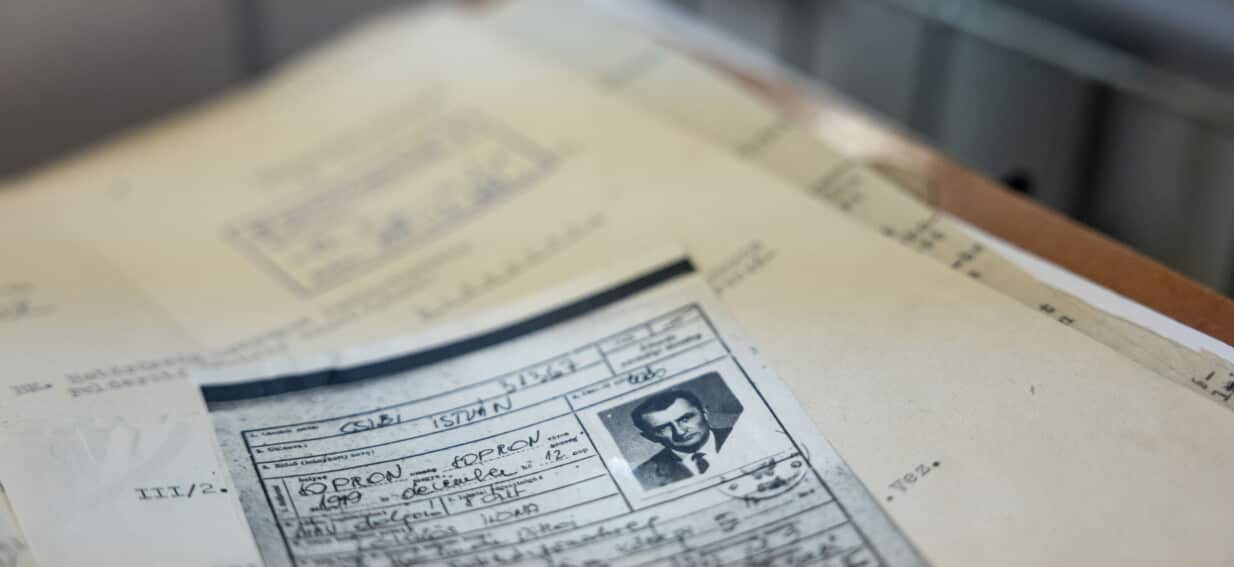
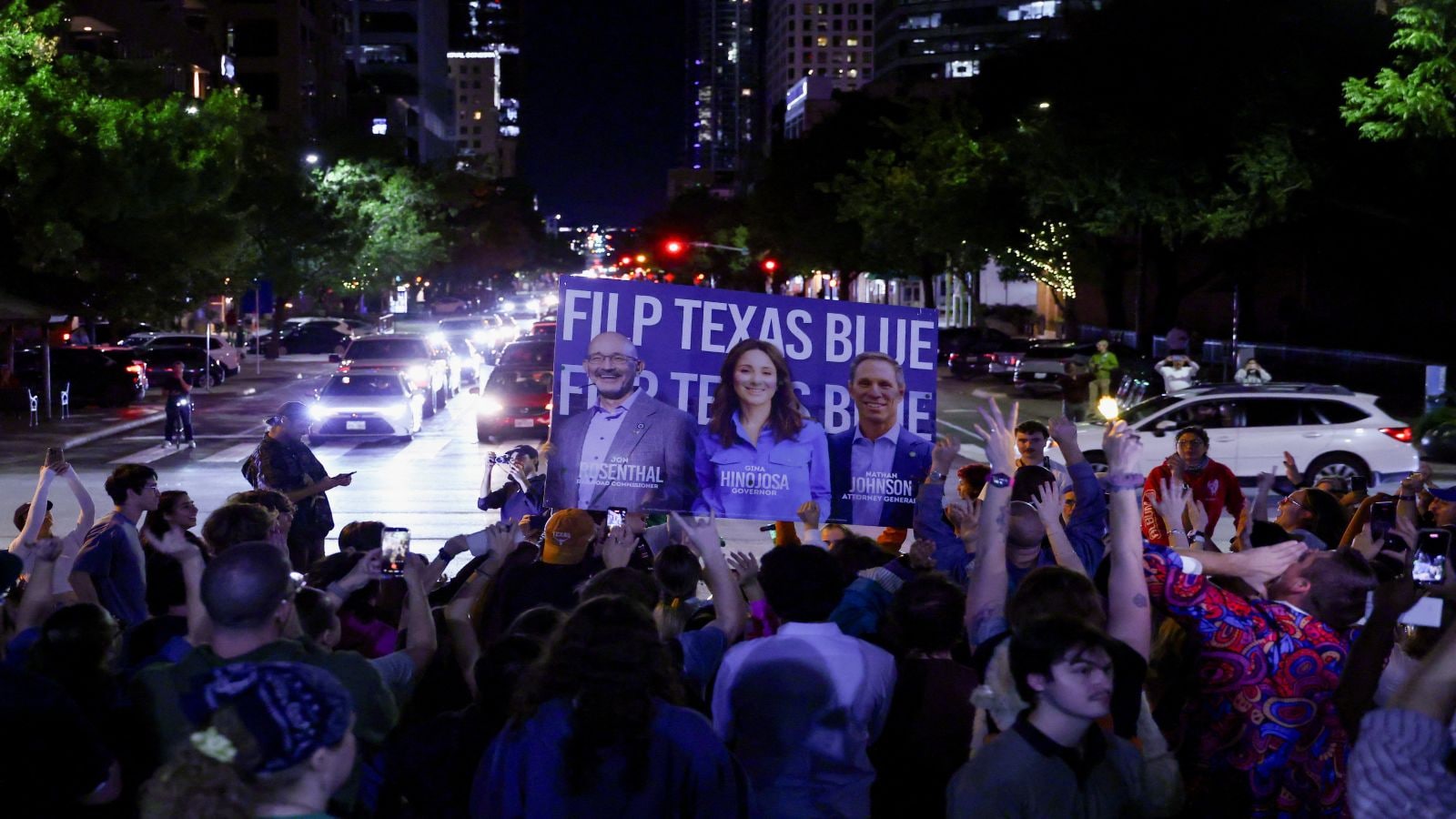
Federal judges are blocking the Trump administration from weaponizing unverified lists of suspected non-citizen voters. If you watched the run-up to recent elections, you saw a familiar playbook unfold. The administration attempted to force state and local election officials to segregate ballots, challenge registered voters, and halt procedures using databases that civil rights lawyers and watchdogs quickly exposed as fundamentally flawed.
It didn't work. The executive branch just ran straight into a constitutional wall, and the fallout exposes how fragile mass voter-purge initiatives really are when they face independent judicial scrutiny.
The Strategy Behind the Non Citizen Voter Lists
The blueprint relied on a simple mechanism. The Department of Justice and Homeland Security compiled lists of individuals they claimed were non-citizens illegally registered to vote, targeting swing states and major Democratic strongholds like California. In California alone, the DOJ challenged roughly 21,000 potential votes, demanding that local officials set those ballots aside or purge names from the rolls. Similar pressures hit states like Washington.
The pitch to the public sounded protective of election integrity. Officials claimed they were stopping illegal ballots. But behind the scenes, the execution looked rushed and reckless. Whistleblower reports and court filings revealed that federal agents assigned to investigate these flagged individuals were given as little as 12 minutes per person during a frantic "surge" phase.
When you rush an investigation into someone's citizenship status within minutes, mistakes happen. Naturally, those mistakes fell heavily on newly naturalized U.S. citizens who suddenly found themselves investigated, intimidated, or flagged by federal authorities just weeks before casting a ballot.
Why the Courts Handed Down Rejections
Federal judges weren't buying it. U.S. District Judge James Boasberg and other federal judges stepped in with sweeping injunctions, ordering the administration to stop demanding that states segregate ballots or threaten local election officials with prosecution.
The legal reasoning came down to two major pillars:
- Constitutional Overreach: The U.S. Constitution explicitly grants states the power to administer federal elections. The executive branch lacks the unilateral authority to march into states like California and dictate how they verify voter rolls or manage local voting procedures.
- Unreliable Data: The lists themselves were built on chaotic, voluminous, and deeply flawed data sources. Courts recognized that letting the administration act on unverified lists created an unacceptable risk of unlawfully disenfranchising thousands of legitimate, legal American voters.
Even the Supreme Court swiftly rejected direct attempts by the administration to bar states from counting ballots flagged by these questionable databases.
What This Means for Future Elections
Every election cycle brings a fresh wave of anxiety over voter fraud narratives. But this legal showdown proves that mass intimidation tactics using shaky government databases have serious boundaries. State officials are pushing back, and federal judges are enforcing strict limits on executive power over local election administration.
If you are a voter, the takeaway is clear. Independent judicial systems remain a vital checkpoint against administrative overreach. When federal agencies try to bypass state authority with rushed, error-prone data dumps, the courts are still stepping in to protect the ballot box.