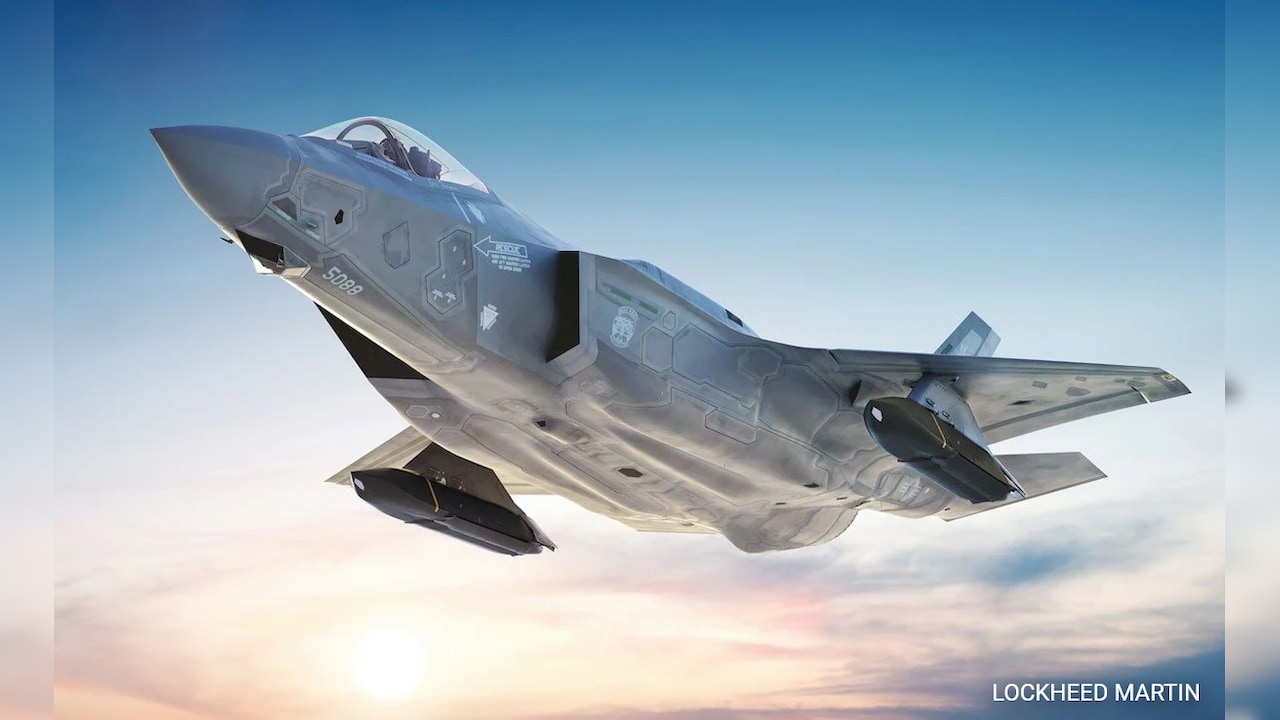
Washington just threw a massive wrench into New Delhi's strategic calculations. Donald Trump's sudden announcement that the US is considering lifting sanctions on Ankara and reviving the Turkey F-35 deal caught global analysts completely off guard. Seven years ago, Washington kicked Turkey out of the fifth-generation fighter jet program for buying Russia's S-400 missile defense system. Now, a handshake between Trump and Turkish President Recep Tayyip Erdogan changes everything. If you think this is just a regional realignment in the Mediterranean, you are missing the bigger picture. This decision has massive, direct consequences for India's national security, and it signals a dangerous shift in how Washington treats its allies.
The real search for answers here is not about American flip-flopping. It is about how a newly armed Turkish Air Force threatens India's western border. Turkey is not just any NATO member; it is Pakistan's most devoted military benefactor. Arming Ankara with the world's most advanced stealth fighter means those technologies, tactics, and operational insights will inevitably flow straight to Islamabad. New Delhi needs to wake up to this reality immediately. Don't forget to check out our earlier article on this related article.
The Blatant Double Standard of the S-400 Sanctions
Washington used to pretend that its Countering America's Adversaries Through Sanctions Act, or CAATSA, was a sacred principle. When Turkey bought the Russian S-400 system, the US response was swift and brutal. They kicked Turkey out of the F-35 program, locked up the jets Ankara had already paid for, and imposed heavy economic penalties. Meanwhile, India went ahead and bought the exact same S-400 system. New Delhi spent years navigating Washington's bureaucratic maze, successfully avoiding formal CAATSA sanctions through intense diplomacy and the promise of being a counterweight to China.
Trump's sudden U-turn blows that entire diplomatic playbook to pieces. By offering to wipe away Turkey's S-400 penalties with a single policy shift, the White House is proving that American sanctions are completely transactional. They do not care about the long-term consistency of international defense policies. They care about immediate deals. This hurts India's strategic leverage. If Washington can forgive Ankara overnight, it can turn on New Delhi just as fast if India refuses to toe the line on future Western demands regarding Russia or China. If you want more about the context of this, NBC News offers an in-depth breakdown.
Why the Turkey F-35 Deal Directly Threatens Indian Airspace
The immediate threat to India is not about Turkish jets flying over New Delhi. It is about what happens behind closed doors in Islamabad.
Turkey and Pakistan share an incredibly tight defense relationship that goes back decades. They do not just trade weapons; they share deep institutional military knowledge. Look at the historical precedents. During past conflicts, Turkey actively assisted Pakistan. This military partnership is deeply formalized through regular joint exercises and co-development programs.
Turkey-Pakistan Strategic Alignment
├── Joint Ventures: T129 Attack Helicopters & MILGEM Corvettes
├── Operational Integration: Combined air exercises (Anatolian Eagle)
└── Tech Sharing: Shared engineering pipelines and maintenance teams
Ankara is helping build Pakistan’s naval fleet through the MILGEM corvette project and has repeatedly tried to supply Islamabad with T129 attack helicopters. They run joint fighter jet training exercises like Anatolian Eagle regularly.
When Turkey gets its hands on the F-35, it gets access to the most sophisticated electronic warfare suites, sensor fusion capabilities, and stealth tactics on Earth. Do you honestly believe that knowledge will stay locked inside Turkish borders? History says it will not. Pakistan's top fighter pilots and air force strategists regularly train alongside their Turkish counterparts. Turkish tech teams will build infrastructure to maintain these stealth fighters. Pakistan's military engineers will be right there with them, studying how these systems operate, how they detect threats, and how they project power.
This presents a nightmare scenario for the Indian Air Force. The IAF relies heavily on its newly acquired S-400 squadrons to create an anti-access bubble along the western and northern borders. If Turkish forces test their new F-35 jets against their own S-400 batteries, they will map out every single blind spot, frequency vulnerability, and radar limitation of the Russian system. That data will find its way to Islamabad. Overnight, Pakistan could possess the exact electronic blueprints needed to neutralize India’s most expensive air defense shield without ever buying a fifth-generation jet themselves.
The Myth of the American End User Agreement
American defense officials love to talk about strict end-user monitoring. They claim they can track every single nut and bolt on an F-35 and prevent unauthorized third-party access. That sounds great on paper. In reality, it is a joke.
We have seen this play out before with Pakistan’s own F-16 fleet. The US imposed strict rules on how and where those jets could be deployed. Yet, during the post-Balakot dogfight in 2019, Pakistan used those exact F-16s to launch AIM-120 AMRAAM missiles at Indian fighter jets. Washington grumbled, issued a few quiet warnings, and then went right back to business as usual, even approving a massive sustainment package for those same F-16s a few years later. If the US cannot, or will not, police its own weapons inside Pakistan, it has zero chance of stopping Turkey from sharing tactical insights with its closest ally.
How New Delhi Can Counter the Washington Ankara Pivot
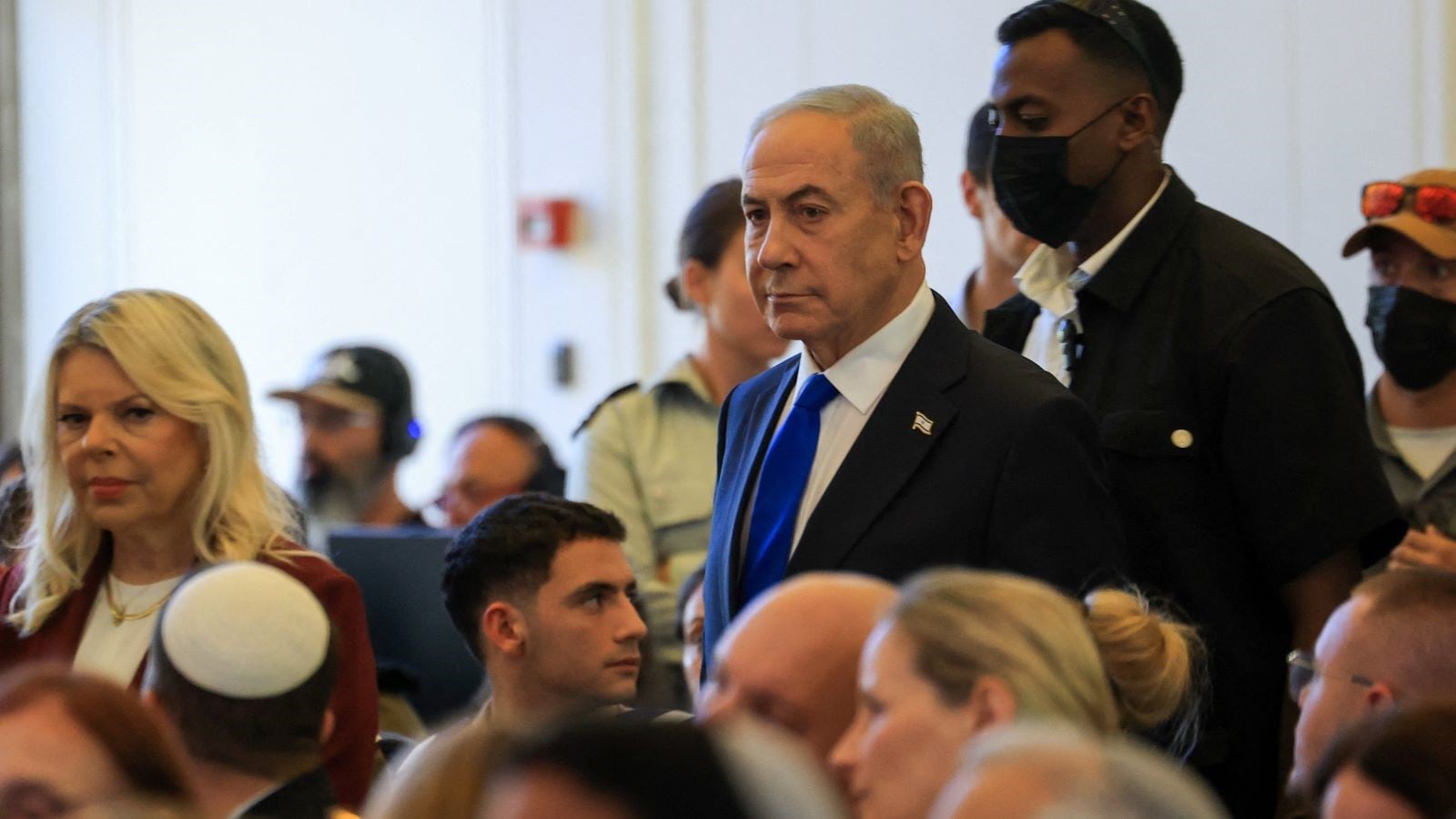
India cannot afford to sit back and watch this play out. Relying on the hope that the US Congress or Israel will block Trump’s decision is a losing strategy. Defense Secretary Pete Hegseth meeting with Israeli Prime Minister Benjamin Netanyahu shows that regional powers are scrambling, but India must secure its own interests.
First, India needs to fundamentally reassess its reliance on Western diplomatic promises. The idea that India is too important to the US Indo-Pacific strategy to be ignored is dangerous hubris. Trump's foreign policy operates on transactional metrics, not deep ideological alliances.
Second, the IAF must accelerate its indigenous fifth-generation fighter program, the Advanced Medium Combat Aircraft. Relying on stopgap fourth-generation acquisitions like additional Rafales or aging Sukhois will not cut it when your neighbors are gaining access to fifth-generation data pipelines. India has spent too long dragging its feet on domestic aerospace manufacturing. The bureaucratic delays at Hindustan Aeronautics Limited must end now.
Finally, New Delhi needs to use its economic weight as a weapon. India is one of the largest defense importers in the world. If American defense contractors want to bid for multi-billion dollar Indian fighter jet contracts, Washington needs to understand that arming India's adversaries via third parties comes with a steep commercial price.
The security architecture of South Asia is shifting rapidly. If Trump goes through with this deal, the balance of air power on India's western flank changes forever. It is time for India to stop playing defense and start rewriting its own rules.
To better understand the immediate regional reaction and the intense pushback this policy shift is receiving from other US allies, you can watch this report on how the US and Israel hold crucial security talks regarding the F-35 Turkey deal. This detailed broadcast breaks down the strategic panic hitting Jerusalem and the broader Mediterranean defense community right now.