Donald Trump wants everyone to believe his massive new oil agreement with Venezuela will instantly solve America's energy security problems. Following the announcement of a deal granting North American Blue Energy Partners 100-year concessions over 17 oil fields and 65 billion barrels of proven reserves, the administration claimed the Strategic Petroleum Reserve (SPR) will soon be topped out. It sounds like a neat political win. But if you look past the headlines, the math and the heavy crude infrastructure make this plan far more complicated than a simple weekend fix.
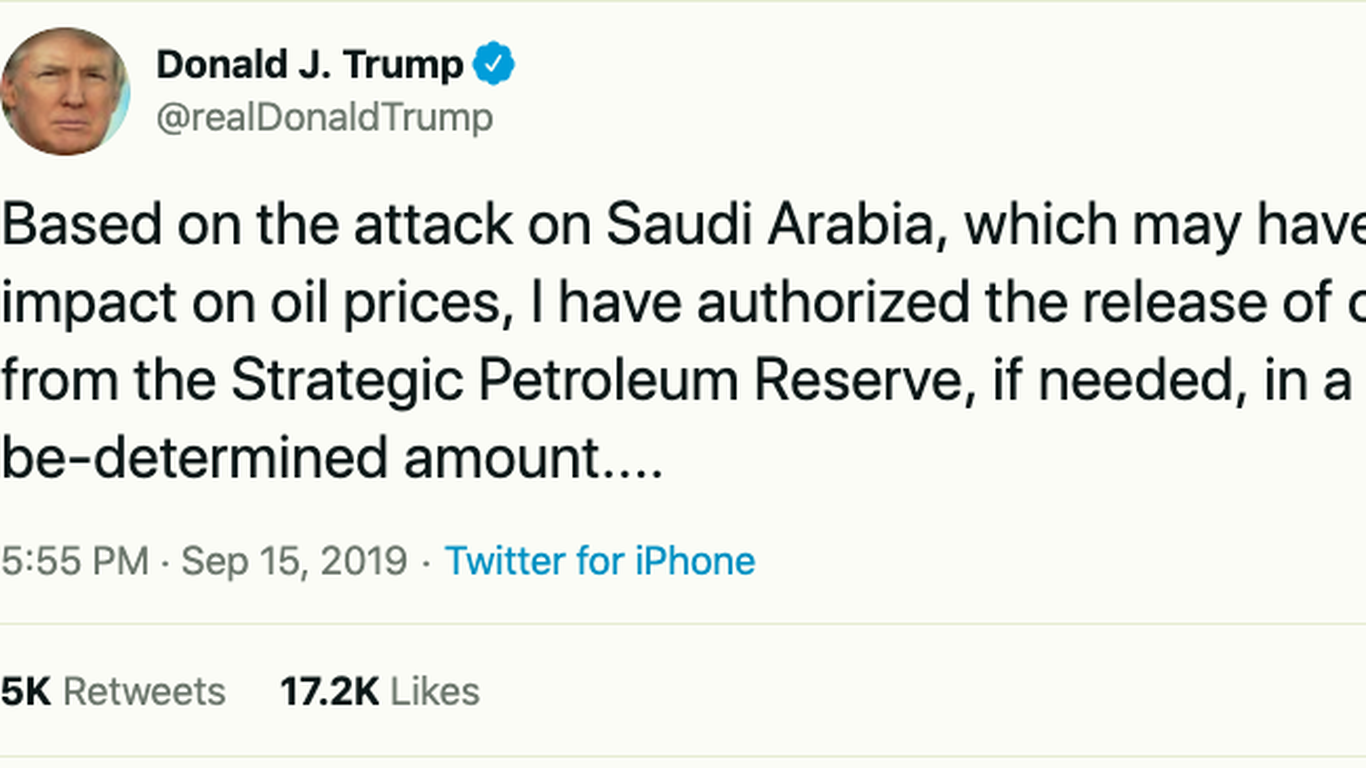
The U.S. emergency stockpile sits near multi-decade lows after historic drawdowns under both political parties. Trump took to Truth Social to blame Joe Biden for emptying the reserves, promising that Venezuelan crude would fill the tanks back up. The White House fact sheet outlines a 20 percent off-take purchase right at production cost, funneling oil toward Washington. Yet, energy analysts know that raw political declarations don't match refinery realities.
The Heavy Crude Problem Nobody Is Talking About
You can't just pump any oil into the underground salt caverns of the Strategic Petroleum Reserve. The SPR is primarily designed to hold light, sweet crude. Venezuela mostly produces extra-heavy crude.
Refining heavy sour crude requires specialized, complex refinery configurations—mostly located along the U.S. Gulf Coast. Pouring heavy Venezuelan oil straight into an emergency reserve built for lighter grades creates technical nightmares. Facilities need heavy processing upgrades to handle it properly. Treating this arrangement as a direct plug-and-play solution ignores basic petroleum engineering.
Why the Timeline Doesn't Match the Rhetoric
Trump announced the "topping out" process would begin shortly. The reality on the ground tells a completely different story.
The infrastructure in Venezuela has suffered from decades of neglect, mismanagement, and severe international sanctions. Current production from the active joint ventures sits at a fraction of what is needed to flood global markets. Scaling output up toward ambitious targets requires billions in capital expenditures, new drilling rigs, pipelines, and years of heavy labor.
North American Blue Energy Partners has a massive hill to climb. Operating 17 complex fields, many of which were previously under the control of Chinese or Russian entities, takes time. Expecting immediate barrels to flow into domestic emergency stockpiles misunderstands how long oilfield reconstruction actually takes.
The Real Intent Behind the Deal
Strip away the rhetoric about emergency reserves, and the true motivations of the agreement come into sharp focus. This move is about securing hemispheric dominance, edging out foreign rivals like Beijing and Moscow, and resetting supply chains in Latin America.
The U.S. government securing a 35 percent equity stake through the Office of Strategic Capital and holding veto power over the board gives Washington unprecedented leverage. It creates a parallel corporate structure designed to lock down long-term access. That strategic chess move matters far more for geopolitics than an immediate top-off of domestic emergency tanks.
Energy independence doesn't happen because of a press release. While this unprecedented pact alters the South American energy map for the next century, motorists shouldn't expect cheap gas or full emergency reserves anytime soon. Keep a close eye on actual export volumes rather than social media declarations to see if these promises ever translate into physical barrels sitting in domestic storage.