Atlanta claims it learned its lesson from the notorious 1996 Olympics sweep, when the city handed out one-way bus tickets and locked up thousands of unhoused people to pretty up the streets for global tourists. Fast forward to the 2026 World Cup, and city leaders swore up and down they would take a compassionate approach through their multi-million dollar Downtown Rising initiative. But the reality on the ground tells a much darker story. When Atlanta officials throw away tents and medication belonging to homeless people near World Cup spot locations, they don't call it a sweep anymore. They call it routine park maintenance.
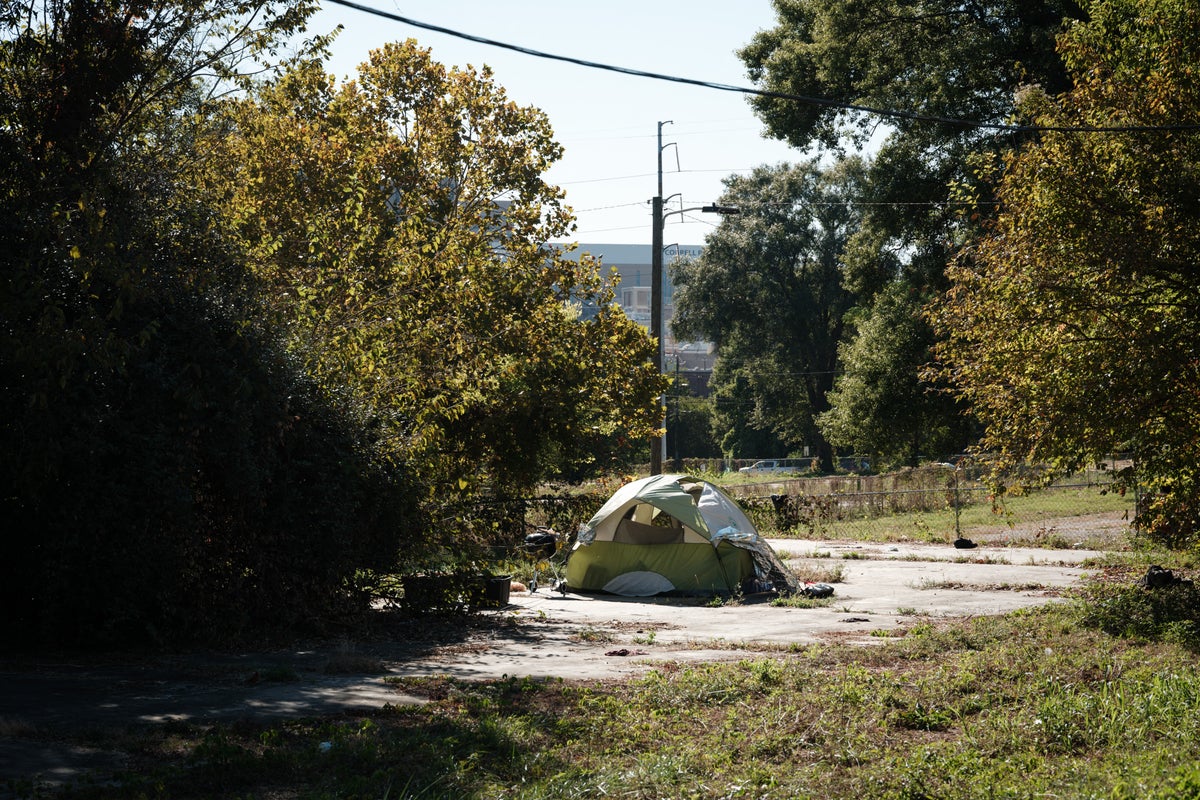
This bureaucratic wordplay doesn't change the devastating impact on the people living in Freedom Park, less than a mile from major World Cup viewing hubs like the Brewhouse Cafe. On July 1, 2026, city sanitation crews rolled into the park without warning, tossing tents, clothes, laptops, tools, and life-saving medications straight into the back of garbage trucks. It wasn't an accident. It was a deliberate choice to prioritize aesthetics over human survival, hidden behind a firewall of technical definitions.
The technicality used when Atlanta officials throw away tents and medication belonging to homeless people near World Cup spot
City hall has a very specific vocabulary for displacement. If an area doesn't have permanent structures or homemade beds, the police department and the mayor's office refuse to classify it as an official encampment. Because Freedom Park didn't meet that rigid definition, the city claimed the property left there was simply abandoned trash.
This loop-hole allows workers to bypass the city's own safety protocols. Following a tragic incident in January 2025 where a city employee ran over a tent with a front loader and killed an unhoused man named Cornelius Taylor, Atlanta established strict rules for camp clearings. Those rules require advance notices, written warnings, and outreach teams to connect people with shelter options before anything gets moved.
By labeling the Freedom Park clearing as park maintenance instead of a sweep, officials stripped the residents of their legal protections. The city senior adviser on homelessness defended the action in emails, claiming the workers were just cleaning up a public space. But you can't clean up a space by destroying someone's entire life.
The human cost of the Freedom Park sweep
The items tossed into the garbage weren't abandoned junk. They belonged to about fifteen people who have lived in Freedom Park for months, trying to survive while waiting for the city's heavily promoted housing programs to actually deliver a roof over their heads.
Consider Mashica King, a resident who lost her tent, her clothes, her shoes, her laptop, and the tools she uses to make a living. In an instant, her means of survival became landfill. Another resident, Kai, was at a nearby library when the trucks arrived. She returned to find her birth certificate, several suitcases belonging to her friends, and her entire life gone.
Replacing government identification when you live on the street is a bureaucratic nightmare that takes months. Without an ID or a Social Security card, it is almost impossible to get a job, open a bank account, or qualify for the very supportive housing programs Atlanta boasts about. The city effectively trapped these people in a cycle of poverty while claiming to help them.
Lost medicine and the immediate danger to health
The most alarming part of the Freedom Park incident is the destruction of medical supplies. Workers didn't bother to check what they were throwing out. They dumped blood pressure pills, hormone therapies, and an entire insulin kit into the trash.
For an unhoused person, managing a chronic condition like diabetes or hypertension on the street is already a monumental task. When the state confiscates and destroys your medicine, it becomes a life-threatening crisis. If you're dependent on insulin, a sudden interruption in your supply can lead to diabetic ketoacidosis within hours. It is an emergency that lands people in the intensive care unit, or worse.
Atlanta spent the last year bragging about the $212 million raised for the Atlanta Rising and Downtown Rising initiatives. The city announced it surpassed its goals by housing hundreds of people in newly built units before the World Cup matches began. But those numbers look a lot less impressive when you look at who got left behind. The streets outside the Pryor Street shelter are still lined with people sleeping in sleeping bags on the concrete, blocks away from the stadium.
The legacy of 1996 shapes the reality of 2026
Local activists from coalitions like Play Fair ATL warned for months that the World Cup would spark a quiet war on the poor. Democratic Socialist city council member Kelsea Bond has pushed for a total moratorium on these types of clearings until the city can establish a safe, secure place to store people's belongings during cleanups. Bond rightly points out that the impact of a policy matters far more than the intent written on a piece of paper.
The fundamental flaw in Atlanta's strategy is the reliance on political optics. When a massive sporting event comes to town, the pressure from downtown business alliances and wealthy homeowners peaks. People want the visible signs of poverty gone, and they want it done quickly. The homes surrounding Freedom Park have skyrocketed in value, and powerful neighbors have direct lines to city departments.
Instead of doing the hard work of building trust and expanding shelter capacity, the city relies on aggressive displacement. It allows them to tell the media they aren't criminalizing poverty while simultaneously making it impossible for unhoused people to exist in public spaces.
Practical steps to protect unhoused neighbors
If you want to support the people affected by these displacement tactics in Atlanta, you have to look past the official press releases and support grassroots, mutual aid efforts that work directly on the ground.
- Donate directly to groups providing street-level medical outreach and tent replacements, ensuring people can replace lost insulin kits and blood pressure medication immediately.
- Volunteer with organizations that help unhoused individuals navigate the process of replacing stolen or destroyed birth certificates and state IDs.
- Contact your local city council representatives to demand a formal moratorium on park maintenance clearings that bypass established safety protocols.
- Support housing-first initiatives that do not require people to abandon their pets, partners, or possessions to get a bed for the night.
The World Cup will leave Atlanta eventually, just like the Olympics did thirty years ago. The stadium lights will go dark, the tourists will fly home, and the corporate sponsors will move on to the next big market. But the people who lost their medications, their documents, and their shelter at Freedom Park will still be there, trying to rebuild their lives from the garbage trucks of city hall. Stop accepting the bureaucratic excuses and demand real accountability from the leaders who chose aesthetics over human rights.