You’ve likely seen the headlines flying around: claims that foreign nationals—specifically from Pakistan, Bangladesh, and Iran—are infiltrating Karnataka’s electoral rolls, snagging Aadhaar cards, and claiming government ration benefits. It sounds like a massive security failure. But if you look at what the state government actually reported to the legislature this week, the reality is far less sensational.
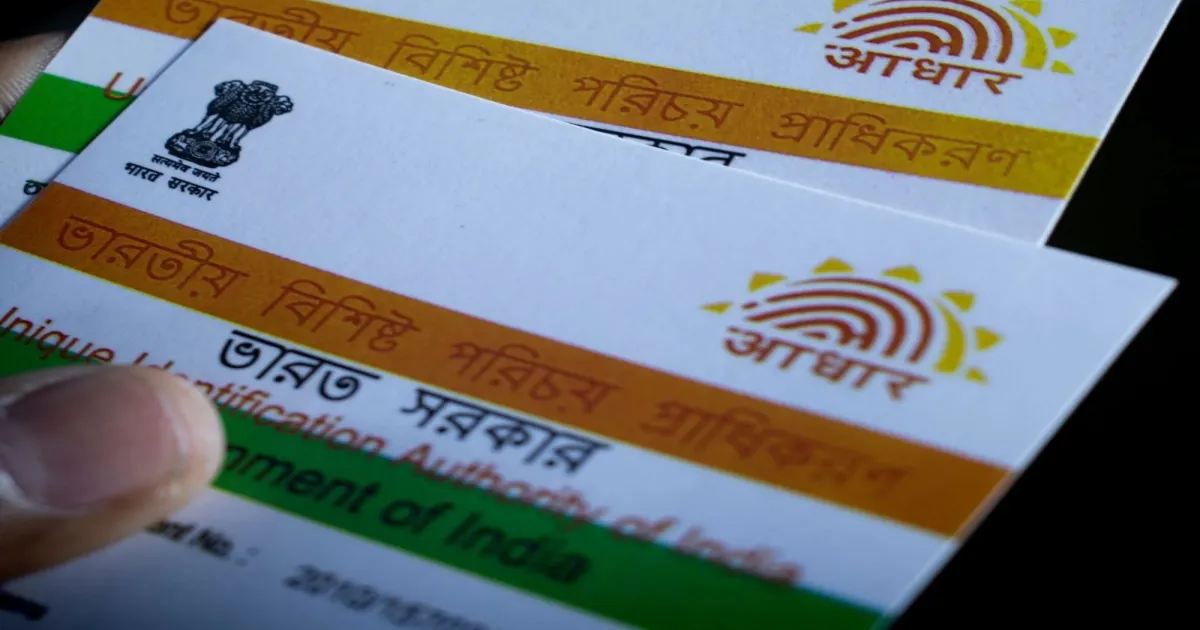
Karnataka’s Home Minister, Priyank Kharge, provided a blunt, written response to the state legislature regarding this exact issue. His answer was clear. During the ongoing Special Intensive Revision (SIR) of the electoral rolls, the state has not found a single case of a Pakistani, Bangladeshi, or Iranian national obtaining an Aadhaar card, a ration card, or any other government benefit. Don't miss our recent coverage on this related article.
Where Do These Myths Come From?
It’s easy to understand why people are worried. Illegal immigration is a complex, high-stakes issue that naturally triggers concern about national security. When you hear about 1.08 crore voters being flagged under the "Absent, Shifted, Dead, Duplicate, and Others" (ASDDO) category, it’s natural to jump to the conclusion that the system is being compromised by outsiders.
But there’s a difference between a flawed administrative process and a coordinated infiltration. If you want more about the background of this, NPR provides an in-depth summary.
The current Special Intensive Revision process is essentially a massive data-cleaning drive by the Election Commission. The goal isn't just to catch foreigners; it’s to fix a bloated, outdated voter list that has been plagued by errors for years. If your name ended up on the ASDDO list, it doesn't mean you’re a foreign national. It usually means you’ve moved house, your data is a duplicate, or you haven't been active in your local polling booth for a long time.
Understanding the ASDDO Confusion
The surge in "flagged" voters has created an awareness crisis. A recent survey in Bengaluru revealed that 61% of people haven't even heard of the SIR process. Many of those who have heard of it are operating under the false assumption that it’s a tool exclusively designed to hunt down illegal immigrants.
Because many citizens rely solely on their Aadhaar card as proof of identity—ignoring that other documentation is often required for electoral verification—they’re being caught off guard. This confusion breeds anxiety. When people see their names marked for potential deletion, they look for a scapegoat, and "foreign infiltration" stories become the easiest explanation.
How Illegal Immigration Is Actually Tracked
The government doesn't just wait for an electoral roll revision to catch illegal overstayers. Identification of foreign nationals who reside in India illegally is a separate, specialized operation. It involves:
- Police Monitoring and Intelligence: Using on-the-ground intelligence to identify networks facilitating illegal entry or employment.
- Special Task Forces: Targeted operations focused on specific areas where illegal stayers are suspected to be present.
- The Foreigners Identification Portal (FIP): This is the official database for tracking visa overstayers. When someone is found residing illegally, they’re booked under specific laws, processed through the Foreigners Regional Registration Officer (FRRO), and eventually face deportation.
In fact, the government has openly shared that over the past three years, 911 illegal immigrants were identified in Karnataka. The majority of these cases involve nationals from Bangladesh, with a smaller number from countries like Pakistan, Nigeria, and Sri Lanka. This is a matter of administrative and criminal enforcement, not an electoral glitch.
What This Means for You
If you’re a resident of Karnataka, don't let the headlines panic you. The electoral roll revision is a bureaucratic necessity, not a security manhunt.
If you or your family members find your names in the ASDDO category, don't assume the worst. Follow the formal process:
- Check your status on the official Election Commission website.
- Visit your local designated office to submit the required identity documentation if your name has been incorrectly flagged.
- Keep an eye out for official notices from the Election Registration Officers, especially if you have recently moved or if your records haven't been updated in years.
The state government’s investigation into the SIR process has confirmed that the electoral system is currently holding up against the specific threat of foreign document forgery. The real challenge, however, remains the administrative task of cleaning up millions of records without disenfranchising legitimate voters. Focus on your own documentation and ensure your registration is current. That is the only way to avoid the headache of the ASDDO list.
This video provides additional context on the government's official statements regarding the electoral roll revision process in Karnataka.
http://googleusercontent.com/youtube_content/1