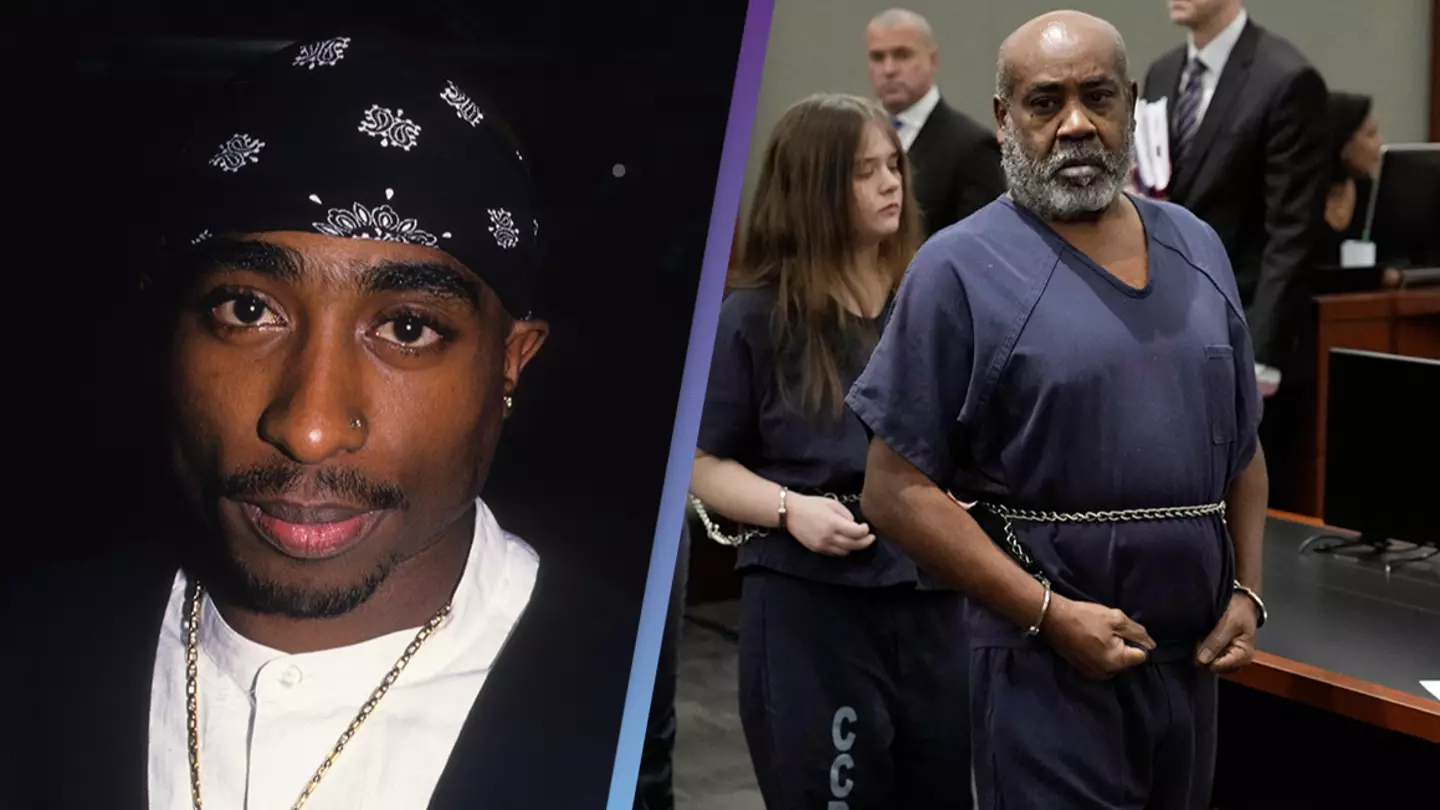
For thirty years, the murder of Tupac Shakur sat in a cold storage locker of American true crime. It was a ghost story. People whispered about it in barbershops, debated it on internet forums, and built entire conspiracy theories around who pulled the trigger. Now, that speculation is colliding with the rigid, unforgiving reality of a courtroom. Duane "Keffe D" Davis is on trial in Las Vegas.
The stakes? Massive.
If you’ve been following this saga, you know the narrative has always been fueled by rumors and street legends. Now, we’re watching a formal attempt to strip away the myth and replace it with admissible evidence. But don’t expect a clean, Hollywood-style resolution. This trial isn’t just about a 1996 drive-by. It’s about whether a man’s own mouth will be his undoing.
The Case Against Duane Davis
Let’s be real about the prosecution’s strategy. They aren't trying to prove Keffe D pulled the trigger. Instead, they’re framing him as the "on-site commander." Prosecutor Binu Palal opened the trial by positioning Davis as the person who orchestrated the retaliation for a casino brawl that happened just hours before the shooting.
The core of the state's argument is rooted in Davis’s own history of talking. He spent years giving interviews, writing a book, and speaking to investigators. He basically invited the spotlight. Prosecutors are essentially using his past bravado against him. They claim he provided the gun and directed the shooters who ended Shakur’s life.
Defense attorney Michael Sandt is taking a very different route. He’s leaning into the lack of physical evidence—the stuff that actually stands up after three decades. His opening statement focused on a simple, biting question: "Truth or fiction?" It’s a smart move. When you have a case this old, the trail is cold, memories are shaky, and the reliability of witnesses is a legitimate problem.
Why This Trial Is Different
Most people think about the Tupac case as a mystery. It’s not. It’s a historical event that became a pop culture obsession. The reason it’s hitting differently in 2026 is that we’re seeing the institutional weight of the legal system finally catch up to a public confession of sorts.
Think about the context of the 1990s. The gang rivalry between the South Side Compton Crips and Mob Piru was intense. It wasn't just beef; it was a violent, structural conflict. The boxing match between Mike Tyson and Bruce Seldon on September 7, 1996, served as the backdrop for a collision that turned fatal.
What makes this trial so tricky for the jury? It’s not just the facts. It’s the sheer weight of three decades of cultural noise. They have to ignore the documentaries, the podcasts, and the internet sleuthing. They have to focus on what happens inside the Clark County District Court. If I’m on that jury, I’m looking for consistency, not narrative.
The Reality of Cold Case Prosecution
If you’ve ever looked into how old murder cases get handled, you know they rarely end in a slam dunk. They end in attrition. The state is betting on the idea that Davis’s own words constitute a "statement against interest"—basically, why would he lie to implicate himself in a murder?
But the defense is betting on reasonable doubt. They know that after thirty years, the chain of custody for any physical evidence is probably broken or nonexistent. They know that potential witnesses have either passed away, are in prison, or have no incentive to be truthful.
We’re likely to hear from Marion "Suge" Knight. Whether his testimony adds clarity or just more smoke remains to be seen. Given his current 28-year sentence, he’s a wild card.
What Comes Next
Don’t wait for a simple verdict to define this legacy. Whatever the jury decides, the reality of what happened that night in Las Vegas is permanently etched into the story of hip-hop. The trial will end in a few weeks, but the cultural debate will likely continue long after the gavel drops.
If you are following this for the facts, pay attention to the witness cross-examinations. That is where the "truth or fiction" battle will be won or lost. Watch for how the prosecution handles the gap between Davis’s public statements and the actual forensic trail.
The trial is underway, and for the first time in thirty years, the legal system is forcing a reckoning with the past. Just keep your expectations grounded. Justice in a cold case is never neat. It’s just a final, often uncomfortable, look at the evidence.