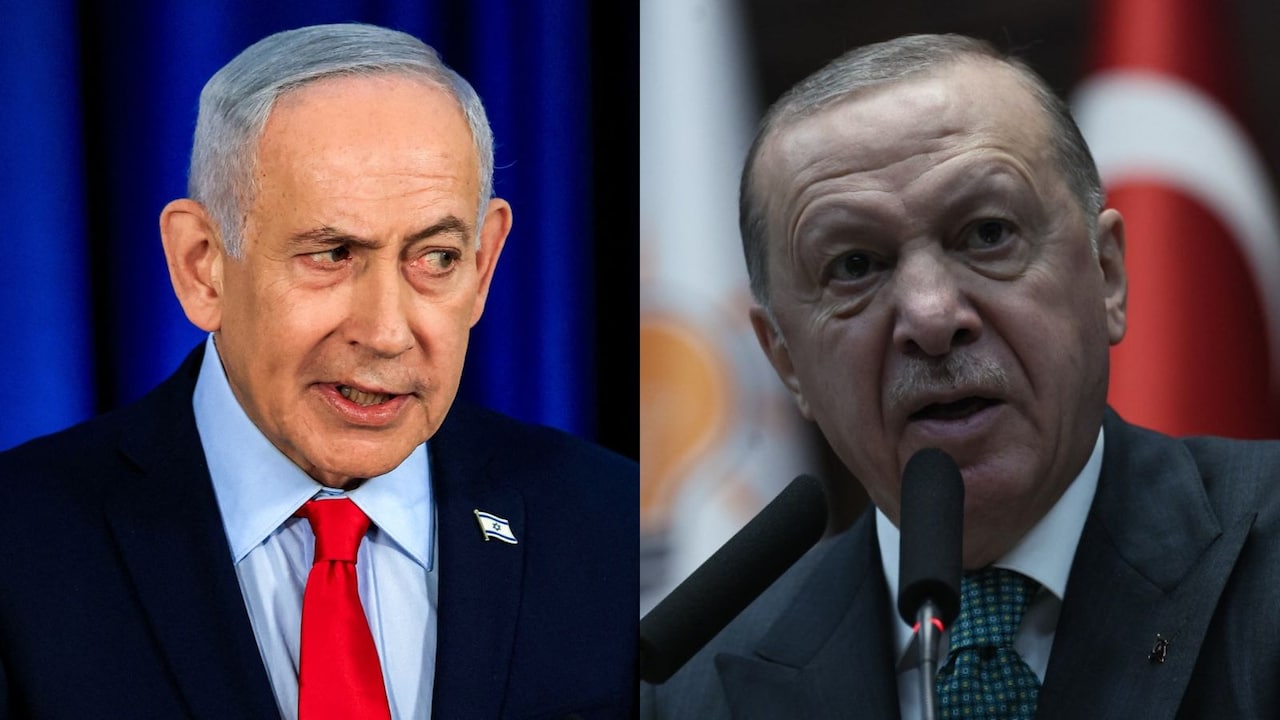
The relationship between Ankara and Jerusalem has officially hit a new low. It isn't just the usual diplomatic squabbling or angry tweets anymore. We are looking at competing accusations of genocide and calls for international arrest warrants. If you’ve been following the headlines, the noise is deafening. But underneath the rhetoric, there’s a cold, hard struggle for regional dominance.
Honestly, it’s getting exhausting. Both sides are playing to their home crowds, using the other as a convenient punching bag. When Turkish authorities recently signaled they wanted an Interpol Red Notice for Prime Minister Benjamin Netanyahu, it wasn't just a legal move. It was theater. In other developments, we also covered: Why The Zamboye Gold Mine Disaster Was Entirely Predictable.
The Flotilla and The Fallout
You have to look at what triggered this latest firestorm. Turkey is pushing hard on the legal front regarding a Gaza-bound aid flotilla intercepted in the Mediterranean. Ankara claims this is about international law, specifically crimes against humanity. They’ve gone as far as filing indictments that include charges like torture and property destruction.
Israel, meanwhile, isn't playing ball. Their response was swift and brutal. They labeled the Turkish leadership as hypocritical and didn't hold back on the personal insults. Calling a head of state an "antisemitic dictator" is not standard diplomatic protocol. It’s an escalation. It shows that the bridge between these two countries hasn't just been burned; the debris is being actively swept away. Reuters has also covered this fascinating subject in extensive detail.
Why Syria Matters
The public name-calling often distracts from what’s happening on the ground in Syria. This is where things get genuinely dangerous. Israel has been conducting strikes against what it identifies as hostile assets, and Turkey has its own messy, long-standing interests in northern Syrian territory.
When reports surfaced about an airbase near the Turkish border being hit, the tension didn't just rise; it spiked. Israel is clearly worried about Ankara’s long-term play in the region. Turkey claims they are being unfairly targeted by what they call "outrageous ravings."
Basically, neither side trusts the other to stay in its lane.
Understanding the Political Theater
Why now? Why this much vitriol in 2026?
Look at the domestic pressures. Netanyahu is fighting to keep his government together while facing intense international scrutiny. President Erdogan is facing his own political hurdles at home. Painting the other as a global villain is a tried-and-true method for distracting voters from economic woes or domestic failure.
It’s cheap politics. It’s effective, but it’s reckless.
- The Legal Maneuvering: Turkey’s pursuit of international warrants is largely performative. Interpol doesn't exist to settle these types of geopolitical scores, and even if a notice were issued, the political reality of enforcing it against a sitting head of state of an allied nation is practically zero.
- The Military Reality: Both nations are essentially operating in the same crowded airspace. Any miscalculation in Syria could lead to a direct, accidental confrontation. That is the real nightmare scenario everyone should be worried about.
The Real Cost of Hostility
We’ve seen this movie before. Leaders trade barbs, call each other names, and posture for the cameras. Meanwhile, the actual people on the ground in Gaza and Syria deal with the fallout of failed diplomacy.
The most frustrating part? There is no clear path to de-escalation right now. The rhetoric is so poisoned that even a back-channel discussion would be difficult to spin to their respective bases.
If you want to understand how this plays out, watch the border movements, not the press releases. Military presence in northern Syria is a much better indicator of intent than a legal filing in an international court.
Don't expect this to calm down tomorrow. For now, expect more of the same: performative outrage, legal posturing, and a very tense stalemate. Keep your eyes on the border and ignore the noise. The diplomatic drama is just a screen for the real, hard-nosed power plays happening behind closed doors.