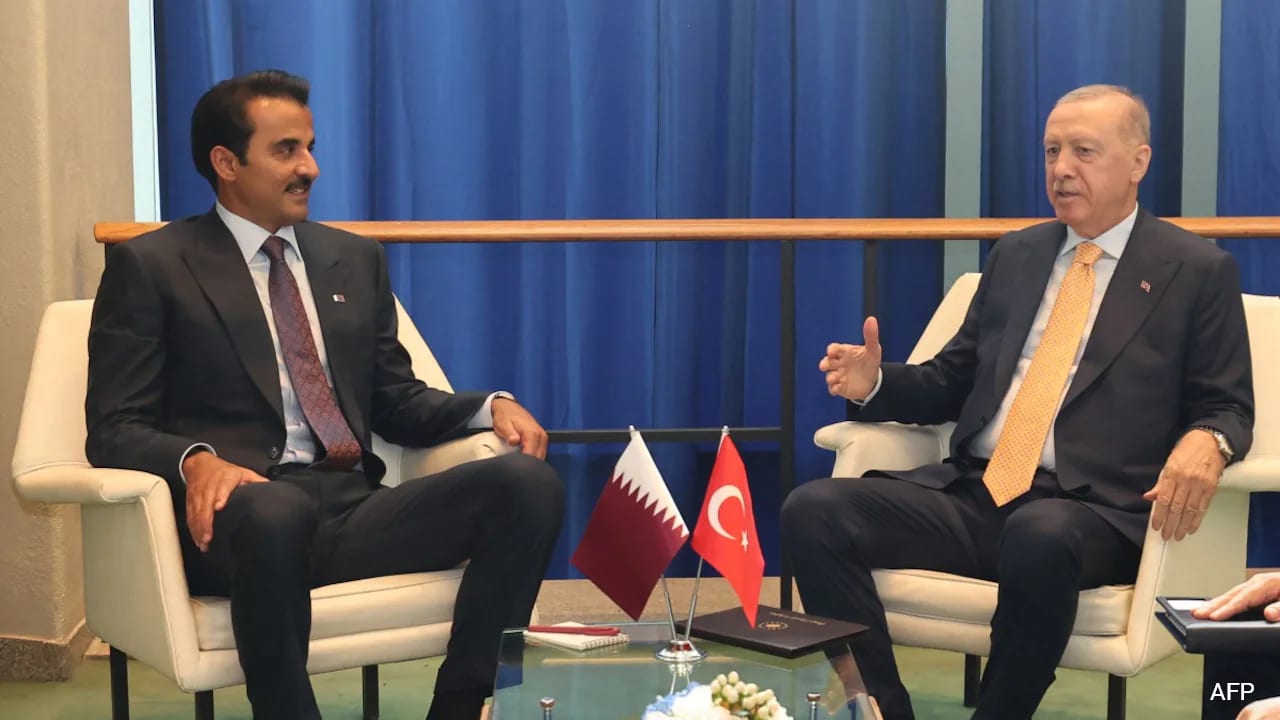
Geopolitics rarely moves in a straight line. When Turkish President Recep Tayyip Erdogan and Qatari Emir Sheikh Tamim bin Hamad Al Thani sat down in Istanbul following the COP31 climate summit, they didn't just exchange pleasantries. They signed a fresh mutual defence agreement that quietly reshapes the strategic map of the Middle East.
If you glance at mainstream coverage, you'll see a brief note about strengthened brotherhood and vague defence industry cooperation. But looking past the diplomatic boilerplate reveals a calculated maneuver by two middle powers determined to secure their economic, military, and diplomatic futures in an increasingly volatile world.
Moving Past the Headlines
Most people miss the real weight of Turkish-Qatari alignment because they view it through a traditional lens. They see two nations trading drone technology and energy supplies. That misses the forest for the trees.
Ankara and Doha have spent years building an ironclad partnership that goes far beyond a casual signature on paper. When Saudi Arabia and its allies blockaded Qatar back in 2017, Turkey rushed troops to its Tariq bin Ziyad military base within days. That wasn't a symbolic gesture. It was a clear-eyed display of strategic mutual aid. Qatar provided massive financial stabilization and investment to Turkey during its various currency struggles, while Turkey provided the physical military shield that kept Doha safe from external coercion.
This new defence pact formalizes and deepens that existing reality. It isn't born out of sudden inspiration. It is the logical next step for two states that view regional security through a shared lens.
The Regional Chessboard
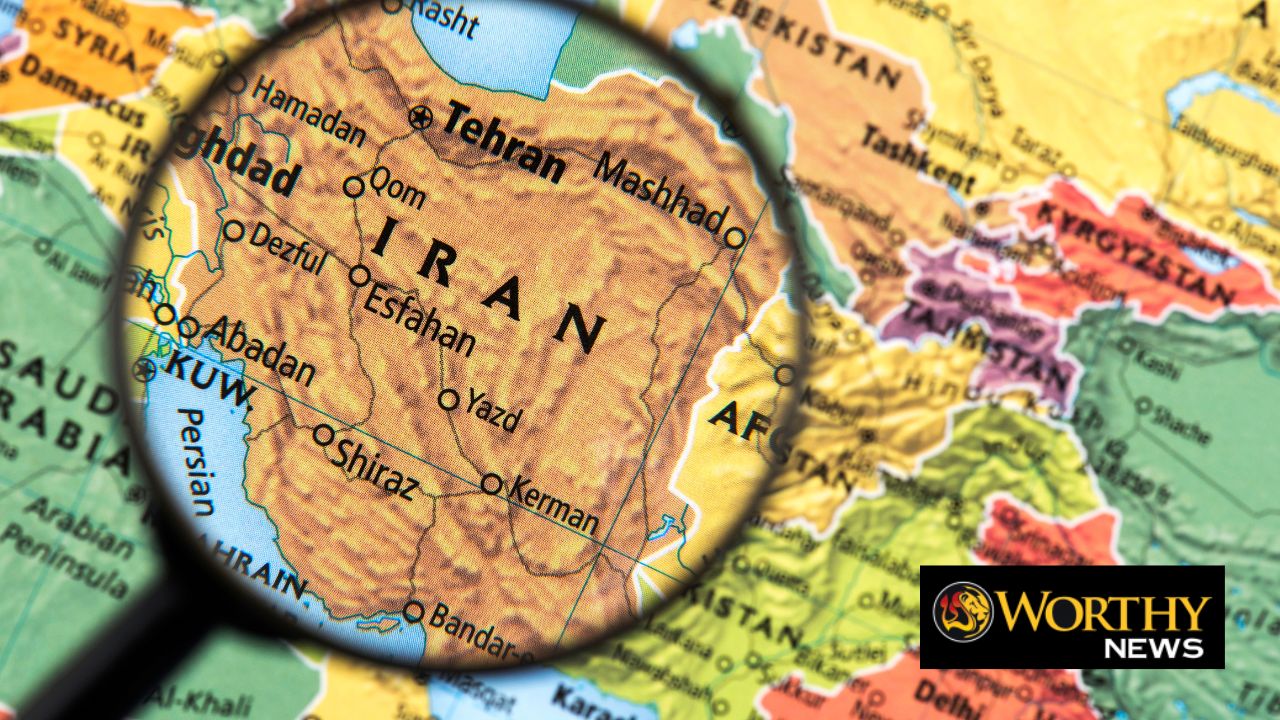
You can't understand this agreement without looking at the wider neighborhood. The Middle East remains a pressure cooker. Israel's ongoing actions in Gaza, the delicate balance in post-conflict Syria, and the fragile stability in Libya all demand constant diplomatic footwork.
Erdogan and Al Thani explicitly used their Istanbul meeting to coordinate positions on Gaza, Syria, and Libya. Both nations have positioned themselves as vocal advocates for Palestinian rights while maintaining independent channels that allow them to talk to actors other Western nations won't touch.
By cementing their defence ties, they project a united front. They aren't waiting for Washington, Brussels, or traditional Arab heavyweights to dictate terms of regional stability. They are building their own security architecture, brick by brick.
+-------------------------------------------------------+
|              TURKISH-QATARI STRATEGIC AXIS            |
+-------------------------------------------------------+
|  Military: Joint base operations, drone tech exports  |
|  Economic: Mutual investments, energy security        |
|  Diplomatic: Coordinated stances on Gaza, Syria, Libya  |
+-------------------------------------------------------+
Defence Industry Realities
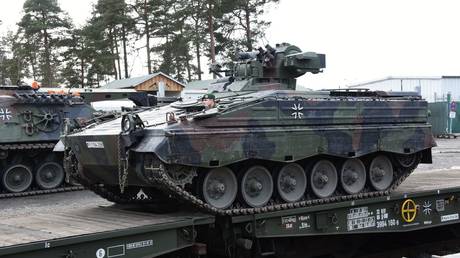
Let's talk about the hardware. Turkey's defence manufacturing sector has exploded onto the global stage over the last decade. Bayraktar drones have proven their worth in conflicts from the South Caucasus to North Africa, turning Ankara into a major arms exporter.
Qatar, meanwhile, has capital. Lots of it.
When these two economies lock in defence cooperation, Doha secures access to battle-tested, cost-effective military equipment that doesn't come with the endless political red tape attached to Western defense acquisitions. Turkey, on the other hand, secures a reliable, deep-pocketed partner to co-finance next-generation military research. It is a textbook win-win trade that insulates both countries from foreign supply chain disruptions.
What Comes Next for the Gulf
Critics love to claim that pacts like this only serve to heighten regional polarization. That argument falls flat when you look at how Gulf dynamics have actually evolved. Regional diplomacy has shifted toward multi-alignment. Countries across the Middle East are hedging their bets, talking to everyone, and refusing to rely on a single external protector.
Turkey and Qatar are simply playing this multi-alignment game better than almost anyone else. They are institutionalizing their partnership so that no matter who sits in the White House or how European priorities shift, their security remains insulated.
Expect to see deeper joint military exercises, accelerated tech transfers, and synchronized diplomatic messaging in international forums. The Turkey-Qatar axis is no longer a temporary marriage of convenience. It is a permanent fixture of modern statecraft.