History often turns on the quietest decisions. We tend to focus on the loud speeches, the grand treaties, and the massive protests that defined the end of British rule in India. But sometimes, the outcome of an entire nation rests on a confidential medical file tucked away in a doctor’s office.
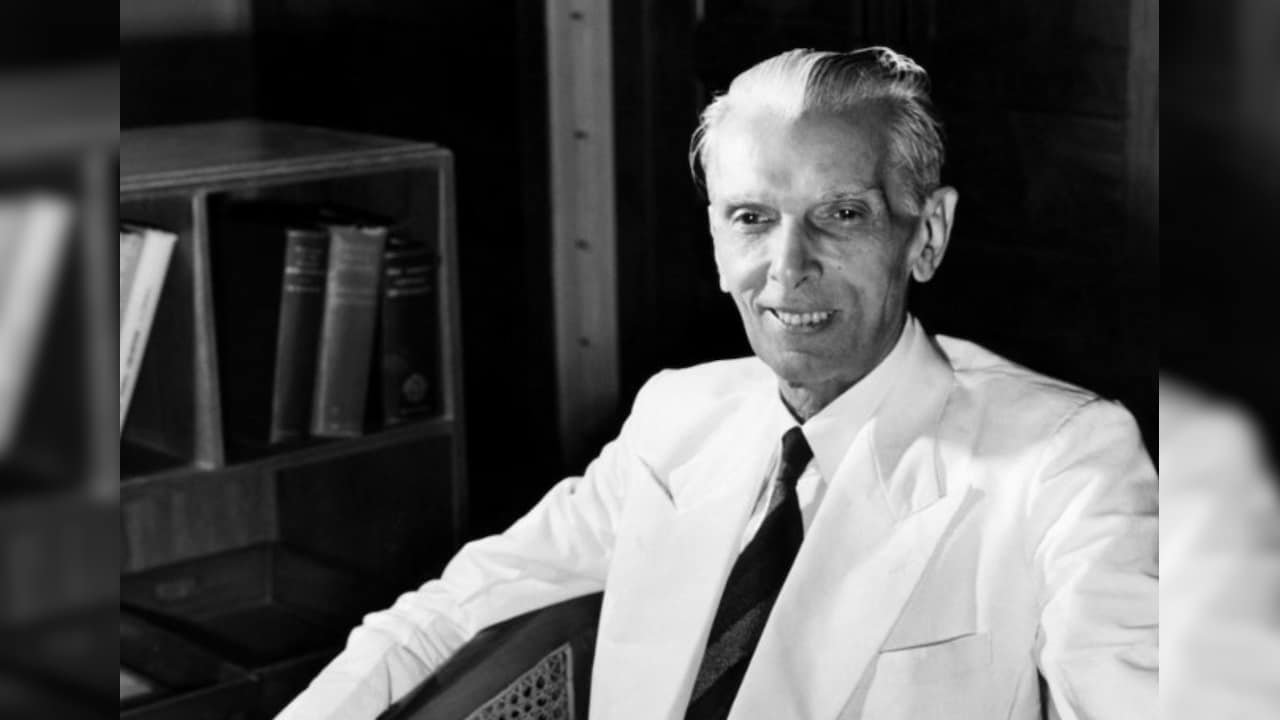
That is exactly what happened in 1946. Two Bombay-based Parsi doctors, Dr. Jal Ratanji Patel and Dr. Jal Dhaybho-Koo, looked at an X-ray of Muhammad Ali Jinnah. What they saw was clear. Jinnah was suffering from advanced tuberculosis. He didn't have long to live.
Most people don't realize how close this medical secret came to erasing the map of modern Pakistan before it was even drawn.
The Weight of Medical Confidentiality
Professional ethics can feel like a rigid, abstract concept until they intersect with geopolitical reality. Dr. Patel and Dr. Dhaybho-Koo were bound by their oaths. They knew their patient was the man leading the demand for a separate Muslim state. They also knew that revealing his terminal prognosis would have derailed his political momentum immediately.
The British administration, led by Lord Mountbatten, was looking for any reason to delay or alter the trajectory of the partition. Mountbatten later admitted that if he had known the extent of Jinnah’s condition, he might have stalled. A delay could have changed the political calculations entirely. It might have resulted in a different constitutional arrangement or a much longer, more fractured struggle for independence.
By saying nothing, these two doctors protected their patient's privacy. They also, quite accidentally, kept the political machinery of the time moving at its chosen pace.
The Controversy of the Award
Seventy-eight years later, Pakistan is posthumously awarding these two men the Nishan-e-Imtiaz, the country's highest civilian honor. It’s a fascinating move. It frames the doctors not just as medical professionals, but as silent enablers of the state's creation.
Some might argue that a doctor’s only duty is to the patient. Others will point out that a public figure’s health is a matter of public interest, especially when that figure is trying to carve a new nation out of the subcontinent.
The reality is that medical secrecy is a gray area when it involves leaders. If a head of state is incapacitated, the public usually has a right to know. However, Jinnah wasn't a head of state yet. He was a political insurgent, and the doctors treated him as such. They viewed their patient through the lens of a physician-patient relationship, not a political one.
Lessons for Modern Political History
Looking back at this moment, it’s a stark reminder that political history is rarely as neat as the textbooks claim.
- Information asymmetry is dangerous. The British were operating on incomplete data, and that blind spot proved fatal to their original plans.
- Personal sacrifice shapes national borders. Whether or not you agree with the outcome of partition, it’s hard to deny that individual choices—like the decision of two doctors to keep a folder closed—carried more weight than most signed agreements.
- Medical privacy versus public duty. We still grapple with this today. We want our leaders to be transparent about their health, but we also expect them to maintain the dignity of privacy.
It is rare to see a civilian award given for something as mundane as silence. Yet, in this case, silence was the most powerful tool available. The doctors did their jobs. They kept the diagnosis secret. In doing so, they ensured that the person they treated could continue his work, regardless of the physical decay that was already consuming his lungs.
The award ceremony, scheduled for March 2027, will be a final punctuation mark on this story. It acknowledges that the creation of Pakistan didn't just happen in the halls of power in Delhi or London. It happened in the quiet rooms of Mumbai clinics where the X-rays were read, the facts were internalized, and the decision was made to stay silent.
If you are digging into the history of the partition, stop looking only at the political archives. Start looking at the private lives of those who held the levers of power—and the professionals who held their secrets. History is often written by the people who knew the truth but chose not to speak it.