Massive weather systems don't just happen. They reshape logistics, upend millions of lives, and test the very limits of regional emergency response. When Typhoon Champi tore its path across the Western Pacific and barrelled toward the coastlines of East Asia, it brought stark realities about the escalating severity of modern storm seasons.
If you're wondering how a single meteorological event can ground thousands of flights and force tens of thousands of coastal residents to pack their bags overnight, you have to look at both the sheer scale of the storm and the immense vulnerability of densely populated coastal belts.
The Anatomy of a Massive Coastal Threat
Champi didn't sneak up on anyone, but its raw energy caught many travelers off guard. Initially tracking as one of the strongest storms globally for the year, the typhoon packed maximum sustained wind speeds near its center that commanded immediate attention from meteorological agencies across Taiwan, mainland China, and Japan.
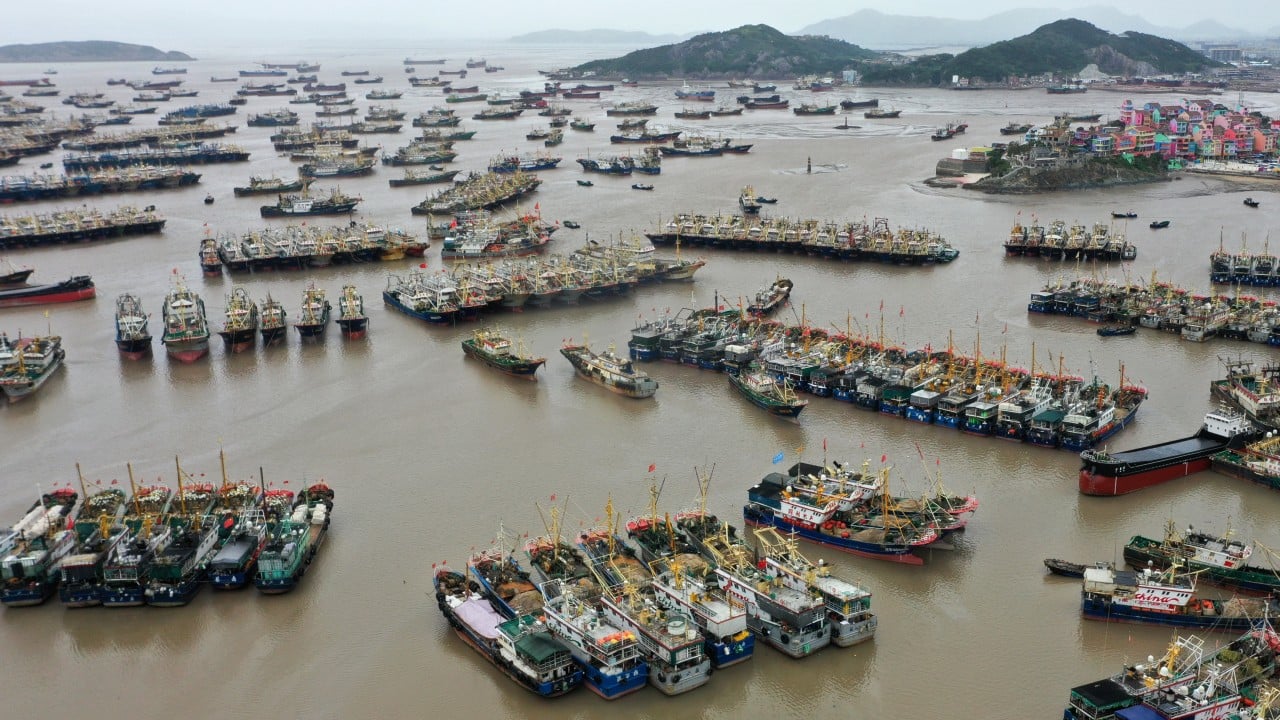
By the time the storm's extensive outer bands reached eastern China and neighboring hubs, authorities weren't taking chances. In Shanghai alone, municipal officials executed mass precautionary measures, evacuating approximately 62,400 people from vulnerable zones to safer inland shelters. Similar emergency protocols rippled through neighboring provinces like Zhejiang and Fujian, where regional disaster management teams raised emergency responses to high-level alerts.
Transport Networks Grounded
Modern transit is efficient until nature hits the pause button. Typhoon Champi turned regional connectivity upside down. Across Shanghai airports and key travel hubs in Zhejiang—including Ningbo and Wenzhou—dozens of commercial flights faced sudden cancellations or long-term suspensions.
Railway infrastructure didn't escape the chaos either. Operators temporarily halted select high-speed rail lines passing through high-risk coastal corridors while slapping strict speed restrictions on other critical routes. The strategy worked to prevent catastrophic accidents, but it left thousands of stranded passengers scrambling for updates in crowded terminal waiting areas.
This disruption wasn't localized to the mainland. Before Champi tracked northward toward Chinese coastal waters, it grazed Taiwan's northeastern corner, shutting down financial markets, schools, and nearly a thousand domestic and international flights while cutting power to tens of thousands of homes.
The Climate Factor Behind the Intensity
Meteorologists tracking Champi's explosive growth point directly to broader oceanic trends. Active Pacific storm seasons amplified by warming sea surface temperatures create ideal conditions for rapid intensification. When equatorial waters trap extra heat, storms like Champi pull immense energy from the ocean, expanding their wind radius well beyond normal thresholds.
This means authorities have to plan for wider impact zones. A storm doesn't need a direct, bullseye landfall to wreck regional supply chains; its massive footprint can throw coastal logistics into disarray hundreds of miles away from the eye.
Preparing for the Next Major Weather Shock
Governments are getting faster at mass evacuations, but individual preparedness remains the weak link in disaster mitigation. If you live or travel within typhoon-prone corridors across East Asia, ignoring early weather advisories is a losing gamble.
Keep emergency kits stocked, track official transport updates directly from municipal authorities rather than relying on second-hand social media rumors, and always have a contingency plan if transit hubs shut down unexpectedly. Mother Nature holds all the cards during extreme weather cycles, and respecting the forecast is the only way to stay ahead of the next big system.
Typhoon Champi Hits Taiwan, Disrupting Flights and Forcing Evacuations
This video provides an on-the-ground look at how Typhoon Champi disrupted transportation and forced emergency responses across the region.


