The energy markets are playing a strange game right now. When geopolitical tensions spiked earlier in the year and choked off critical waterways, panic buyers drove crude prices through the roof. But look at where things stand now. The United Arab Emirates has managed to drag its crude oil exports all the way back to pre-war volumes, clawing back from a brutal slump.
So why aren't Brent crude prices crashing through the floorboards in response?
Most mainstream commentators miss the structural bottlenecks holding the market hostage. Bouncing back from a regional conflict doesn't mean the old plumbing works the way it used to. Let's break down why UAE exports recovered so fast, where Iran completely fumbled, and what this actually means for oil prices moving forward.
How the UAE Bypassed the Chokepoint
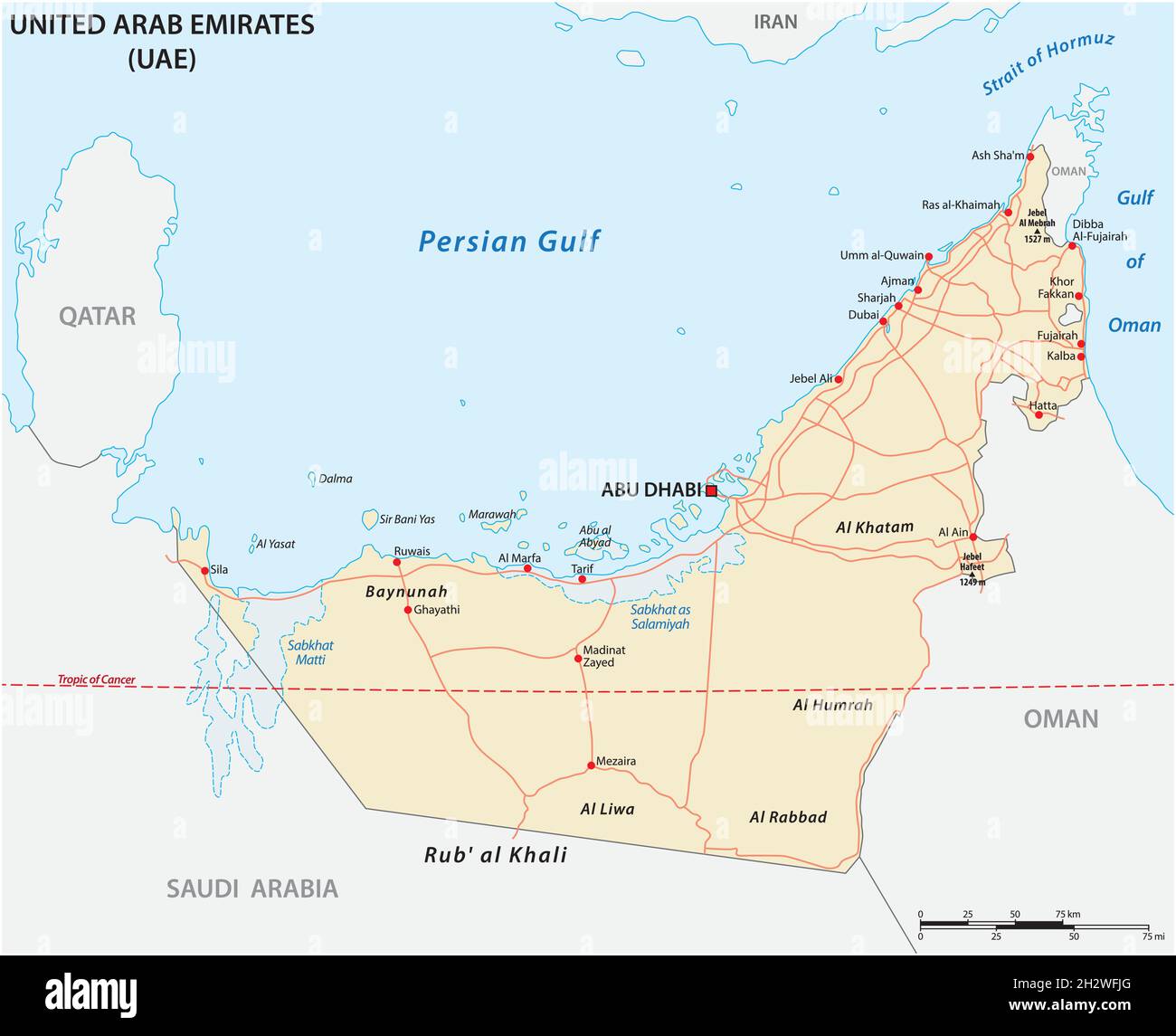
When conflict flared up in early 2026, the Strait of Hormuz—the narrow artery carrying roughly a fifth of the world's petroleum supply—turned into a high-risk combat zone. UAE shipments cratered, dropping toward the 2 million barrels per day mark in March as tankers sat idle or faced insurance denials.
Panic was justified. But Abu Dhabi had an ace up its sleeve that many casual market watchers forgot about: infrastructure redundancy.
Instead of staying at the mercy of the Strait of Hormuz, the state-backed oil apparatus leaned heavily on the 380-kilometer Habshan-Fujairah pipeline. This strategic pipeline pumps inland crude directly from Abu Dhabi oil fields to the port of Fujairah on the Gulf of Oman, bypassing the bottleneck entirely. Coupled with strategic draws from storage facilities like Mandous, export numbers surged back. By autumn, tanker-tracking data confirmed that UAE exports had rebounded anywhere from 3.7 to 4.3 million barrels per day, essentially hitting pre-conflict output.
ADNOC didn't just sit around waiting for a ceasefire. They diversified destinations too, shipping crude to non-traditional buyers west of the Suez Canal, including Turkish and Nigerian refiners.
The Flip Side: Why Iran Has Nowhere to Go
While the UAE executed a masterclass in logistics adaptation, neighboring producers faced a completely different reality. Iranian exports didn't just dip—they effectively flatlined.
A tight US naval blockade sealed off key Iranian ports like Kharg Island. Unlike Abu Dhabi, Iran lacked a massive overland escape pipe opening directly onto an open ocean coastline outside the contested zone. Once naval patrols locked down the maritime lanes, Iranian shipments collapsed by nearly 100%.
This stark divergence explains why regional export numbers as a whole haven't fully normalized. While Gulf exports hover at roughly two-thirds of their historical capacity due to localized outages, the UAE's individual success story is masking a wider supply deficit.
Will Brent Crude Prices Finally Fall?
If one major producer is back pumping at full throttle, basic economics suggests prices should tumble. Yet, Brent crude has stubbornly refused to plummet, staying elevated near triple digits or high double digits depending on weekly flare-ups.
Several factors keep energy traders nervous:
- Infrastructure Damage Elsewhere: Pipeline strikes and regional sabotage in other parts of West Asia keep removing billions of dollars of risk insurance from the system. Even if the UAE is clear, temporary inventory cushions in places like Yanbu are razor-thin.
- The Perpetual Threat of Hormuz: Even though the UAE has pipeline workarounds, a massive chunk of Gulf oil still relies on the maritime chokepoint. Any renewed military posturing instantly injects a risk premium back into the charts.
- Shrinking Global Cushions: With Iranian barrels offline due to the blockade, the global marketplace has lost a flexible supplier. Spare capacity is thin, meaning any unexpected refinery hiccup anywhere else in the world immediately hits prices.
What to Watch Next
Don't expect Brent crude to revisit old lows anytime soon. The illusion of total market normalization is dangerous. While the UAE proved that smart engineering and pipeline investments can beat a maritime blockade, the broader ecosystem remains fragile.
If you are tracking energy expenses or trading commodities, keep your eyes on actual physical inventory data rather than political headlines. Watch the throughput numbers at Fujairah and monitor whether regional security holds. The era of cheap, stress-free oil isn't coming back this year. Plan your capital allocations accordingly.