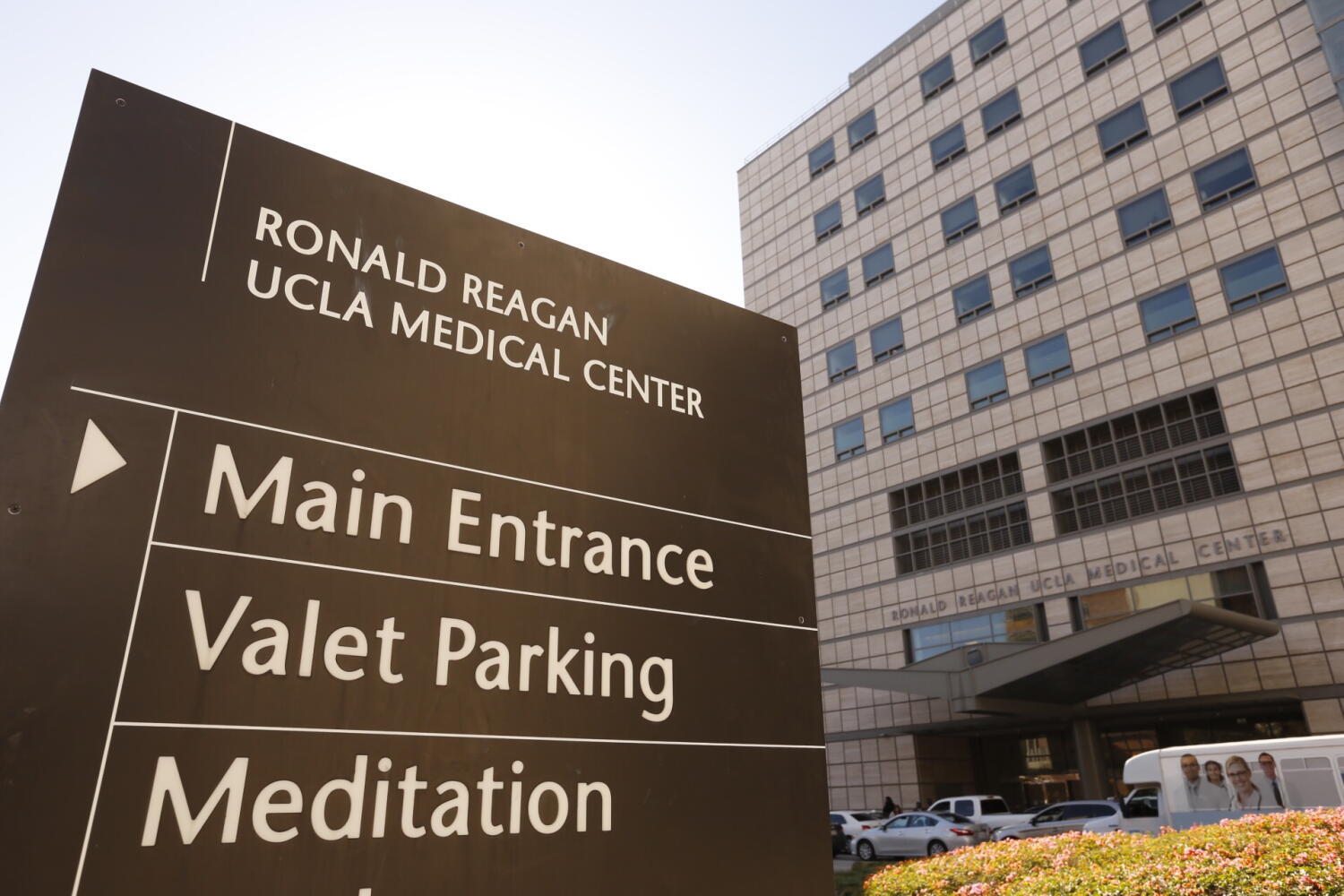
Thousands of low-income patients in Los Angeles woke up to a terrifying medical reality recently. Their long-standing Medi-Cal contract expired, cutting off direct access to UCLA Health specialists for roughly 9,000 medically frail individuals. We are talking about people undergoing cancer treatments, managing complex infectious diseases, or relying on the system for high-risk pregnancies and organ transplants.
When administrative contracts break down, patients pay the steepest price.
The Reality Behind the UCLA Health Contract Collapse
The expiration of the agreement between UCLA Health and Health Care LA IPA—an association of nonprofit clinics serving low-income communities—exposed a massive fault line in California's healthcare system. For over a decade, these vulnerable populations relied on UCLA's elite specialty medicine network. When that pipeline closed, patients didn't just lose a doctor. They lost a safety net.
UCLA Health pointed to severe capacity strains at the Ronald Reagan UCLA Medical Center in Westwood, alongside growing reimbursement delays and payment denials from Medi-Cal. Officials argued that the system could not sustain an unlimited influx of referrals while handling staggering emergency department volume. Medi-Cal patients accounted for over a third of emergency visits at the facility.
On the flip side, patient advocates and medical fellows voiced intense outrage. They argued that major academic medical systems have a core public duty to serve all residents equitably, regardless of their insurance tier or income bracket.
What This Means for Continuity of Care
Starting over with a brand new medical team is exhausting. If you are managing chronic diabetes, hypertension, or actively fighting cancer, a disruption in your doctor-patient relationship can be dangerous.
Here is what happens on the ground during these transitions:
- Medical histories get lost or delayed in bureaucratic limbo.
- Vital prescription refills stall out.
- Patients must travel farther across Los Angeles County to find alternative providers who accept their specific coverage plans.
- Trust in the healthcare system erodes completely.
While a tentative agreement was eventually hammered out to transition affected patients over a one-year window, the initial panic revealed how fragile safety-net healthcare truly is.
How to Protect Your Healthcare Rights
If you or someone you know is caught in a provider network shakeup, you don't have to just accept a forced switch. California law offers specific protections that many patients never hear about.
Look into a Continuity of Care waiver. Under California Health and Safety Code Section 1373.96, Medi-Cal managed care enrollees undergoing active treatment for serious chronic conditions, acute illnesses, or high-risk pregnancies have the legal right to request an extension. This allows you to keep your existing physicians for a designated period, even if the primary contract has lapsed.
Check your health plan notifications immediately. Managed care plans are legally required to notify enrollees months ahead of provider network terminations. Read those notices instead of tossing them in the recycling bin. Contact your health plan's member services line directly, ask for written confirmation of your transition options, and demand the care continuity forms you are legally owed.
UCLA Health Patients Left Stranded: A Healthcare Crisis Unfolds
This video provides an in-depth look at how the sudden contract termination between UCLA Health and Medi-Cal providers left thousands of vulnerable patients fighting to maintain their medical treatments.
http://googleusercontent.com/youtube_content/1