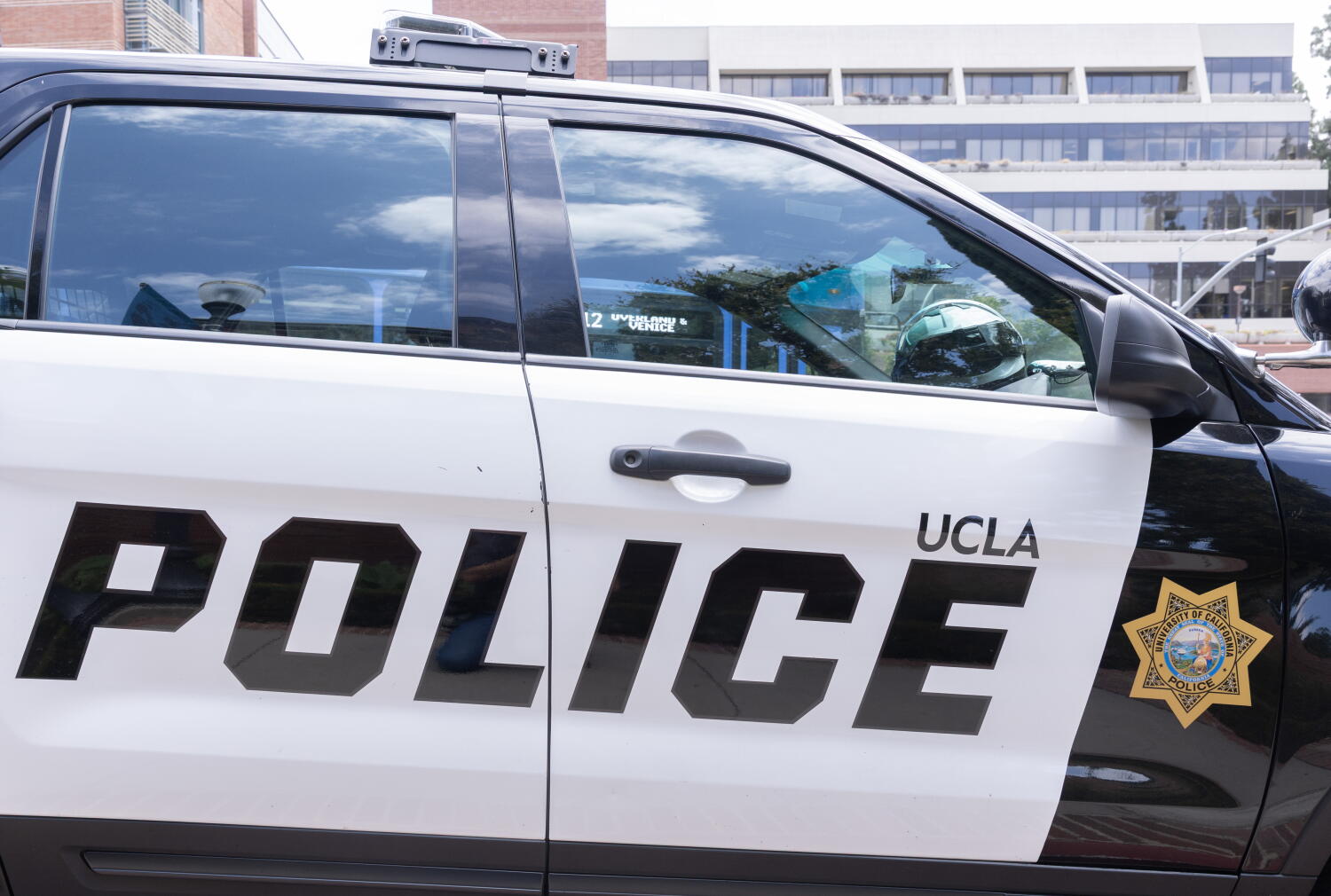
Imagine reporting a sexual assault to campus police, trusting them with your home address and forensic medical exam, and then finding out the accused student photographed those exact records. That is the core shock behind the lawsuit filed against the University of California Board of Regents by a former UCLA student suing as Jane Doe. When UCLA police shared sexual assault victim's address details and medical exam results with her alleged assailant, according to her complaint, it didn't just look like a clerical slip. It looked like a breakdown of everything a reporting student is told to expect.
Most coverage stops at the headline shock of the alleged leak and the creepy aftermath described in the filing. Nine days after the alleged 2024 disclosure by UCLA Police Department Officer Selby Arsena, Doe's car windshield was smashed. A day later, rotting animal remains were left outside her university-owned residence. Those details are chilling, honestly, yet focusing only on the sensational moments misses the bigger structural problem sitting underneath them.
Campus safety offices love talking about trauma-informed care and zero tolerance. Real protection takes strict information walls, clear consent boundaries, and accountability when those walls fail.
Why UCLA Police Shared Sexual Assault Victim's Address Details Matters Beyond One Case
If you look closely at what Doe's complaint alleges, the story isn't just about one detective making a bad call in February 2024. It's about how silos between campus law enforcement, Title IX offices, and student housing can leave a survivor exposed without even realizing it.
According to the lawsuit, Doe reported a sexual assault by a male UCLA student in March 2023 and underwent a forensic medical examination at a Long Beach sexual assault response team center days later. In her filing, she states she authorized releasing that exam information to law enforcement for criminal investigation purposes only, without signing a broader waiver. Yet the complaint alleges Arsena allowed the accused student to photograph her home address and forensic exam report—even though the records reportedly carried a warning that releasing them would be illegal.
Here is what makes that allegation so jarring to anyone who has worked with campus compliance or victim advocacy. Forensic medical exams—often called rape kit reports—contain deeply intimate medical findings. A home address tells an accused person where someone sleeps at night. Put those two things together in a campus environment where students live in dorms or university-managed housing, and the risk isn't abstract. It's immediate.
The Myth That Reporting Automatically Keeps You Safe
A lot of students assume that going to campus police or Title IX automatically triggers a protective shield around their identity and location. In practice, it doesn't always work that way.
Criminal investigations, university disciplinary tracks, housing accommodations, and records requests operate under different rules and timelines. Even when policies say sensitive data is protected, paperwork moves fast, files get shared across offices, and students often don't learn how their information circulated until much later. Doe's complaint alleges she only learned about the disclosure months later through a supplemental summary of evidence from the Title IX office—and never consented to her rape kit information going to that office either.
Richard Mejia, director of emergency communications and information for UCLA's Office of Campus and Community Safety, stated in response to reporting that UCPD maintains consistent procedures for handling sensitive information during investigations and takes sexual assault reports seriously, while declining to comment on the lawsuit or answer specific questions about review processes before sharing sensitive data with external parties. That tension—general assurances on one side, concrete allegations of policy gaps on the other—is right where public trust breaks down.
California Privacy Laws and Survivor Rights in Plain English
When a case like this hits the news, people immediately ask which laws are supposed to stop this kind of thing from happening. In California, several overlapping statutes and constitutional protections exist specifically to guard crime victims and medical records, though how they play out in civil litigation is rarely simple.
Under California's Victims' Bill of Rights, known as Marsy's Law (California Constitution, Article I, Section 28), crime victims have rights to fairness, respect for privacy, reasonable protection from the defendant, and prevention of the disclosure of confidential records or information that could be used to locate or harass them or reveal confidential medical treatment. Alongside Marsy's Law, California's Confidentiality of Medical Information Act restricts unauthorized sharing of medical information without proper consent.
What the Law Protects and Where Disputes Arise
- Location and contact privacy: Victims generally have strong statutory and constitutional backing to keep home addresses and locating details out of the hands of an accused person or the public, subject to specific legal exceptions and discovery rules.
- Forensic medical records: Under California Penal Code provisions governing sexual assault forensic exams, survivors have rights regarding consent, advocates, and evidence handling, while medical records remain tightly guarded outside authorized legal channels.
- Administrative vs. criminal hurdles: Even when a survivor believes a rule was violated, universities and public agencies often argue over statutory immunity, procedural deadlines, or federal privacy rules like FERPA when a student asks for records such as surveillance footage.
Doe's lawsuit alleges that when she tried to appeal a Title IX determination, she didn't receive hearing transcripts until two days before the 10-business-day deadline in Box files she couldn't access, and her appeal was later denied past that window. She also alleges UCLA offered temporary housing for no more than 48 hours rather than permanent relocation, and denied her access to elevator footage from the day of the vandalism by citing FERPA.
A policy written in a manual means very little if a survivor can't open a file, misses a deadline over delayed transcripts, or feels unsafe walking out her front door.
From a practical standpoint, this is where institutions trip up most often. Officials may point to a rule on paper—whether it's an appeal window or a privacy statute—while the survivor experiences the process as a maze of locked doors. Whether every allegation in Doe's complaint is proven in court remains to be seen, since a complaint presents one side's claims and the university has broad legal defenses to raise. Still, her attorney Lina Kaisey frames the suit around fixing systemic gaps so other students aren't left wondering how their private data was handled.
Where Campus Systems Fail Survivors After a Report
Having worked around campus safety policies and compliance frameworks, I see a pattern repeat across universities nationwide, not just in Westwood. Most schools spend plenty of energy drafting pamphlets about resources. Far fewer audit the handoffs between offices when a case gets messy.
Think about what happens after a report is filed. Police handle criminal investigation steps. Title IX handles campus conduct procedures. Housing handles room changes. IT handles file permissions. If those teams don't share strict consent logs—and verify who actually has permission to view or photograph what—information leaks happen through routine habits rather than dramatic conspiracies.
Another common mistake is treating housing or safety requests as temporary band-aids. Offering a day or two of short-term shelter when someone's car was just vandalized and rotting remains were left by their door can feel dismissive to a student already dealing with fear, sleeplessness, and academic disruption. On the flip side, administrators worry about due process for accused students, fairness in hearings, and strict compliance with privacy statutes. Balancing those competing duties isn't easy, which is why clear, enforceable guardrails matter so much.
Practical Next Steps for Students and Advocates
If you're a student, parent, or advocate trying to navigate a campus report or protect sensitive records right now, waiting for an institution to volunteer every detail rarely works. Take active control of your paper trail from day one.
- Put consent limits in writing: Whenever you sign a release or speak with investigators, state clearly in writing what information you are authorizing, for what specific purpose, and whether you consent to sharing records with other offices like Title IX.
- Keep a personal log of every interaction: Write down dates, times, names, titles, and summaries of every call, meeting, or email with campus police, housing, or Title IX—plus save screenshots or confirmation receipts.
- Request records and deadlines early: Ask in writing for exact appeal deadlines, file formats, and access permissions well ahead of time, and flag technical issues like locked cloud folders immediately so there's a timestamped record.
- Connect with an independent advocate: Reach out to an off-campus sexual assault crisis center or legal aid resource early on—California survivors can also contact the California Department of Justice Victims' Services Unit for information on sexual assault kit status and victim rights.
- Document safety concerns right away: If you experience harassment, property damage, or suspicious activity near your home or car, report it immediately, ask for a case number, and keep copies of everything you submit.
Protecting privacy on a college campus shouldn't require a lawsuit to expose basic flaws. Until universities back up their supportive statements with airtight data controls and responsive support, students will keep asking a simple question before they ever pick up the phone: Can I actually trust this system with my life?