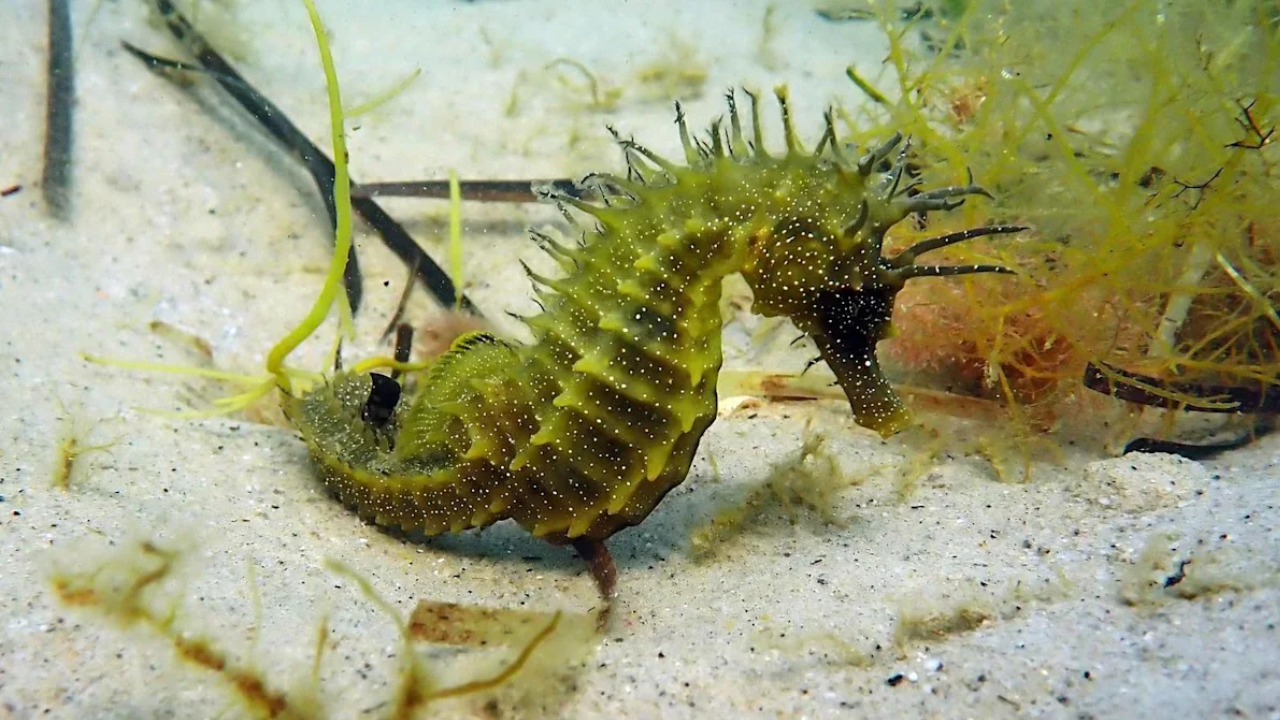
You spot a tiny, elegant creature swaying gently in the kelp off the British coast. Your immediate instinct? Grab your camera, swim closer, and snap a photo. Stop right there. That simple underwater snapshot could land you in serious legal trouble.
UK marine authorities are cracking down on recreational divers, underwater photographers, and film crews who disturb native seahorses. Driven by a sharp rise in unauthorized tracking and filming during peak coastal tourism months, the Marine Management Organisation (MMO) issued a stark legal reminder: deliberately searching for, filming, or photographing native seahorses without a specialist wildlife licence is illegal.
If you dive, snorkel, or explore UK coastal waters, understanding these rules isn't optional. It's the difference between protecting a fragile ecosystem and facing severe enforcement action.
The Strict Legal Status Of British Seahorses
Most people assume local wildlife laws only apply to seals, cetaceans, or large nesting birds. British waters actually house two permanent resident seahorse species: the spiny or long-snouted seahorse (Hippocampus guttulatus) and the short-snouted seahorse (Hippocampus hippocampus).
Both species enjoy strict protection under Section 9 of the Wildlife and Countryside Act 1981, alongside the Control of Trade in Endangered Species Regulations 2018.
What does this mean in practice? You cannot legally jump into the water with the explicit goal of tracking down a seahorse unless you hold an official wildlife licence. These permits are typically restricted to accredited scientific researchers and educational projects. Commercial filmmakers and documentary crews frequently violate these statutes out of ignorance, assuming public ocean spaces are open game for wildlife media production.
Jess Churchill-Bissett, Head of Marine Conservation (Wildlife) at the MMO, noted that while public fascination is understandable, these animals are hyper-fragile. Most infractions stem from pure lack of awareness rather than malicious intent. Ignorance doesn't exempt anyone from conservation laws.
How To Spot A Stressed Seahorse
Seahorses don't have facial expressions to broadcast their panic, but their bodies tell a clear story. If you encounter one unexpectedly during a routine dive, you need to recognize the physiological signs of distress immediately.
An unbothered seahorse anchors itself calmly to seagrass or seaweed. A stressed seahorse exhibits distinct behavioral shifts:
- Its coloration darkens dramatically along the ridges of its body.
- It lowers its head into a tight, defensive posture.
- It detaches from the seabed, rising upward into the water column.
- It curls its tail tightly or makes erratic, frantic attempts to escape.
Independent scientific reviews show that bright camera flashes, especially when combined with divers crowding an individual, trigger acute stress responses that damage their overall wellbeing.
The Five-Minute Rule And Diver Etiquette
Accidental encounters happen. If you stumble upon a seahorse while exploring a reef or sandy seabed, strict protocols dictate your next moves.
Never spend more than five minutes observing a single animal. Keep a respectful distance, never touch or handle them, and absolutely do not pursue them if they attempt to swim away. Multiple divers surrounding a single specimen creates an inescapable wall of panic for the animal.
If you notice any warning signs of stress, slowly back away until you are at least five meters clear. Move with absolute fluidity. Sudden, jerky motions provoke defensive reactions.
Divers must also secure loose gear—such as pressure gauges and octopus hoses—so they don't drag across and destroy sensitive seabed habitats like the vital seagrass nurseries found in locations like Studland Bay.
What To Do If You Find A Stranded Seahorse
Summer coastal activities raise the risk of accidental entrapment. Anglers and families using traditional crab nets along piers and quaysides occasionally pull up live seahorses.
Neil Garrick-Maidment, Executive Director and Founder of The Seahorse Trust, stresses that speed is essential if you find one trapped in a net or washed ashore.
- Return any live beach-stranded seahorse straight back to the ocean instantly.
- If trapped in a net or bucket, transfer it carefully into a container filled with cold seawater.
- If you photograph it for identification records, do so instantly without using a flash.
- Release it back into the sea away from scavenging gulls as fast as humanly possible.
Conservation bodies rely heavily on public data to track population health. If you spot a native seahorse under legal conditions, record the precise location, date, time, and take non-intrusive photos. Submit these details directly to Natural England's seahorse team or log them on the National Seahorse Database managed by The Seahorse Trust.
Protecting Britain's marine life requires restraint. Give these creatures space, keep your camera turned off, and respect the boundary between appreciation and harassment.