British aid workers are operating in the most hostile environments in human history. Delivering food, medicine, and clean water in active war zones is already a high-stakes gamble with survival. Now, a quiet legislative push in Westminster risks adding a catastrophic legal threat to that physical danger.
The UK government is pushing through the National Security (State Threats) Bill. The law builds on the existing National Security Act 2023, aiming to tighten the UK's defenses against foreign espionage and hostile state actors. It sounds reasonable in a committee room in London.
But out in the field, it is a logistical and legal nightmare.
The core of the issue is a glaring lack of a comprehensive, blanket humanitarian exemption. NGOs, legal experts, and cross-party MPs warn that the bill creates a massive chilling effect. It could inadvertently turn life-saving aid work into a criminal offense.
The 14 Year Threat to Humanitarian Work
The mechanics of the new bill give the Home Secretary sweeping powers to "designate" foreign bodies, governments, or state-linked entities deemed a threat to the UK. Once an entity is designated, anyone who supports, assists, or obtains material benefits from them faces severe criminal penalties.
We are talking about up to 14 years in prison per offense.
Think about how actual aid delivery works in fragile or war-torn countries. If an entire foreign government—or even just a specific regional ministry, local municipal council, or border control unit—is designated by London, a UK charity operating in that territory is instantly trapped.
To keep a field hospital open or run a refugee camp, an international NGO has to engage with local authorities. They have to pay local administrative taxes. They have to clear customs at ports controlled by the de facto government. They have to meet with local officials just to ask where landmines are laid so their supply trucks do not blow up.
Under the strict letter of this bill, those standard operational realities could be interpreted as assisting a designated body.
Lord Anderson, the UK’s former independent reviewer of terrorism legislation, brought up this exact contradiction. He noted that a conflict resolution group trying to broker peace or an organization mapping out explosive hazards could be put in immediate legal jeopardy simply for doing their jobs.
Why a Legal Defense is Not Enough
The government's defense of the bill has been consistent. Ministers argue that the legislation includes clauses allowing humanitarian assistance to be used as a defense in court. The Home Office insists that legitimate aid workers will not be targeted or prosecuted.
That assurance misses the point of how risk is managed in the charity sector.
There is a massive difference between a upfront exemption and a courtroom defense. An exemption means you are not breaking the law. A defense means you have to get arrested, charged, and dragged through a criminal trial to prove you did nothing wrong. No charity trustee is going to sign off on a project that relies on their field staff avoiding a 14-year prison sentence based on prosecutorial discretion.
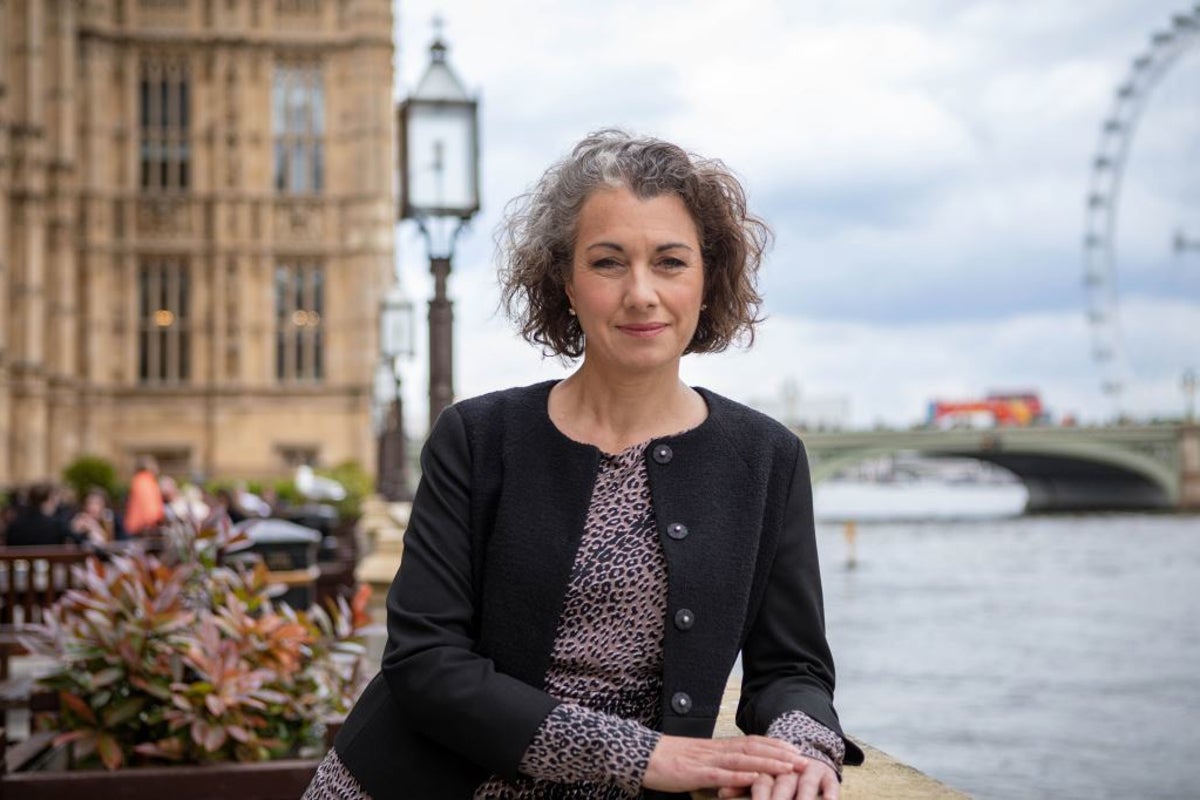
Sarah Champion, the Chair of the International Development Committee, has been vocal about this exact flaw. She warned that the law creates an unacceptable level of legal uncertainty.
The fallout stretches far beyond the courtroom. Jonathan Hall KC, the current Independent Reviewer of State Threat Legislation, pointed out a massive structural blind spot: the banking sector.
When a law is vague, international banks panic. If a prominent UK aid agency operates in a region controlled by a designated entity, compliance departments will simply freeze the charity's bank accounts to avoid any risk of violating UK state threat laws.
We have seen this script play out before with counter-terrorism regulations in Syria, Yemen, and Afghanistan. Financial de-risking stalls operations faster than active gunfire. If the money cannot move, the food does not get bought, the trucks do not roll, and people die.
The Battle for a True Humanitarian Carve Out
The UK has historically positioned itself as a leader in global development and humanitarian response. Yet, this legislation creates a bizarre institutional paradox. One arm of the British state—the Foreign, Commonwealth & Development Office—funds NGOs to deliver emergency relief in desperate regions, while another arm of the same government creates laws that could prosecute those exact workers for executing the mandate.
A coalition of UK NGOs coordinated by Bond, the national network for international development organizations, has been fighting for explicit protections written directly into the statutory text. During recent debates in the House of Lords, peers like Lord Alton and Baroness D'Souza successfully pushed through key amendments to give agencies stronger protections under specific clauses regarding assisting and receiving information from designated bodies.
It is a vital step forward, but it is not a complete, absolute humanitarian carve-out. The sector is still left navigating a minefield of legal ambiguity.
The global trend toward broad, poorly defined security laws is making humanitarian access harder every year. If the UK government wants to maintain its standing as a principled global actor, it cannot allow domestic security strategies to blindside international obligations.
The Reality of Modern Aid Delivery
The risks highlighted by this bill are not theoretical. They map directly onto the compounding crises facing aid workers globally. The past few years have seen unprecedented fatalities and detentions of humanitarian personnel in Gaza, Sudan, Ukraine, and South Sudan.
Adding domestic legal vulnerability to an already volatile operational environment is a recipe for operational paralysis. Organizations will simply withdraw from high-risk zones because the legal risk to their organization and staff is too high.
The government needs to stop treating humanitarian aid as an afterthought or a potential loophole in security frameworks. Security at home does not require the abandonment of vulnerable populations abroad.
What Happens Next
The bill is returning to the House of Commons for further scrutiny. If you want to see the UK maintain its capability to respond to global disasters without criminalizing its own citizens, here is where the focus must shift:
- Demand a Comprehensive Exemption: Push for amendments that explicitly exclude recognized humanitarian and peacebuilding activities from the scope of foreign designation offenses.
- Establish Bank Safeguards: The Home Office and the Treasury must issue joint, binding guidance to the banking sector to prevent the automatic freezing of legitimate NGO accounts operating in complex environments.
- Clarify Peacebuilding Activities: Ensure that mediation, conflict resolution, and dialogue with armed or designated factions are explicitly protected under the law, preventing peace workers from being treated as state adversaries.
The structural flaws in the National Security (State Threats) Bill must be fixed before it passes into law. Leaving the survival of humanitarian operations dependent on the goodwill of prosecutors isn't just bad lawmaking—it's a betrayal of the people who risk everything to deliver help where it is needed most.