Independence Day doesn't feel like a normal holiday when air raid sirens interrupt your morning coffee. For President Volodymyr Zelenskyy and the people of Kyiv, marking 35 years since breaking away from the Soviet Union means standing firm against a four-year-old full-scale Russian invasion that refuses to quiet down.
While foreign dignitaries travel to the capital with pledges of military hardware, the reality on the ground remains brutal. Let's look at what actually happened during these commemorations and why this milestone shifts the trajectory of the war.
Defiance in the Capital Amid Missile Shortages
St. Sophia Square in Kyiv looked different this year. Wearing his signature traditional embroidered shirt, Zelenskyy stood alongside European Council President Antonio Costa and British Prime Minister Andy Burnham. The optics matter. Visiting leaders didn't just drop by for a photo op; they brought concrete defense agreements.
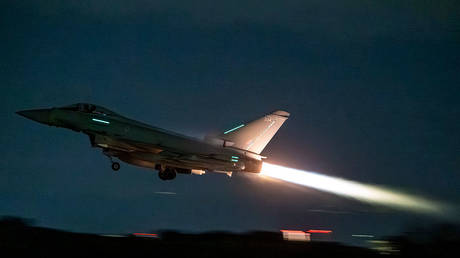
The UK announced it would grant Kyiv access to classified technology, allowing local production of European SCALP long-range cruise missiles. That matters because relying entirely on imported stockpiles leaves cities vulnerable. Ukraine needs domestic manufacturing capabilities to strike back when energy grids and civilian areas take hits.
Zelenskyy didn't sugarcoat the situation in his address. He stated plainly that Ukraine wants peace, but refuses to surrender or cede territory just to satisfy the Kremlin's demands.
The Real Cost and the Numbers Driving the Conflict
Let's talk about the metrics shaping this phase of the war.
- The Defense Funding Gap: Zelenskyy recently pointed out a $27-billion shortfall in defense funding for the year, straining logistics along the 1,200-kilometer front line.
- The Human Toll: Hundreds of thousands have been casualties or displaced since February 2022, turning towns into rubble.
- The Threat of Escalation: Intelligence points to potential Russian mobilization of up to 300,000 additional troops following regional elections.
International peace efforts led by the U.S. stalled earlier this year because neither side would compromise on territorial integrity. Ukraine insists that trading land for a temporary ceasefire only invites future aggression.
Domestic Tech Innovation on Display
Outside traditional speeches, Kyiv showcased its evolving military tech sector. Naval drones swept along the Dnipro River while unmanned ground vehicles equipped with heavy machine guns rolled down commercial avenues.
You're seeing a shift from a nation fighting with inherited Soviet stockpiles to one innovating asymmetric defense tech on the fly. These domestic drones and uncrewed systems keep Russian naval advances at bay in the Black Sea and force Moscow's air defenses to work overtime intercepting hundreds of incoming drones nightly.
What Happens Next on the Ground
The strategy moving into the colder months relies entirely on two factors: securing the skies against ballistic missiles and ramping up domestic missile production. European allies are holding virtual meetings through the "Coalition of the Willing" to plug those air defense gaps.
If you're watching this conflict, ignore the noise about imminent diplomatic breakthroughs. Right now, survival depends on industrial output, tech adaptation, and whether allies can deliver the financial backing Ukraine needs to outlast the attrition strategy.