Zelenskyy hails Ukraine's strike on a Russian warship docked at a naval base in Libya because the operation did something Russia's navy thought was impossible. It turned a supposed safe harbor in eastern Libya into a smoking wreck.
On Monday, November 23, 2026, Ukrainian President Volodymyr Zelenskyy publicly confirmed what satellite photos and Libyan officials had already started to hint at over the weekend. During an overnight operation on Sunday, November 22, Ukrainian naval drones hit the Russian corvette Merkury at the Benghazi naval base and struck the Russian dry cargo ship MV Angara off Libya's coast. Zelenskyy called the strike "exemplary," said the corvette was sunk along with a Ka-27 military helicopter, and noted that seven Ukrainian-made drones were used in the operation.
Honestly, if you only read a standard wire summary, you miss why this hits Moscow so hard. For years, Russia has treated eastern Libya as a convenient Mediterranean and North African fallback. Now that safety cushion looks a lot thinner.
Why Ukraine's Strike on a Russian Warship in Libya Matters
A warship sinking in the Black Sea has been a recurring story since 2022. A warship getting hit in Benghazi is a different beast altogether.
Benghazi sits in eastern Libya, controlled by Khalifa Haftar's eastern-based authorities, who have worked closely with Moscow and allowed Russian vessels to dock for fuel and supplies. From a Russian logistics standpoint, eastern Libya bridges the Mediterranean with military operations across North Africa and the Sahel, often linked to Russia's Africa Corps. Losing a modern vessel right at the pier isn't just a hardware loss. It's a blow to Russia's ability to project calm, routine power far outside the war zone.
Zelenskyy tied the Benghazi strike directly to a wider pattern during his remarks and video address to the NATO Parliamentary Assembly in Berlin. Ukrainian forces aren't limiting themselves to frontline trenches or nearby waters anymore. Reports around November 21–22 also pointed to strikes hitting Russian-linked logistics vessels in the Gulf of Finland—such as the Sparta II and rail ferry Ambal—alongside long-range drone and missile strikes deep inside Russia, including in the Rostov and Perm regions.
Still, I wouldn't treat every claim on either side as settled fact the minute it's posted. Wars are noisy, and fog-of-war spin happens fast.
What Actually Happened at Benghazi
Let's separate what's confirmed from what remains contested or still shaking out.
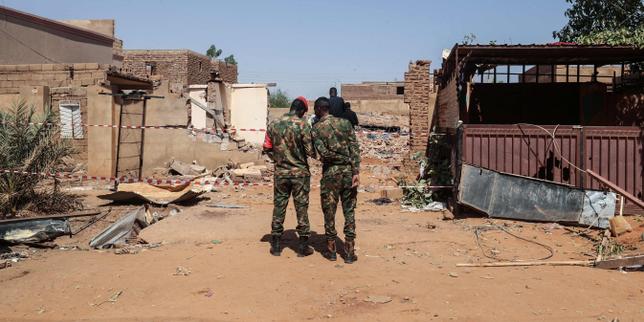
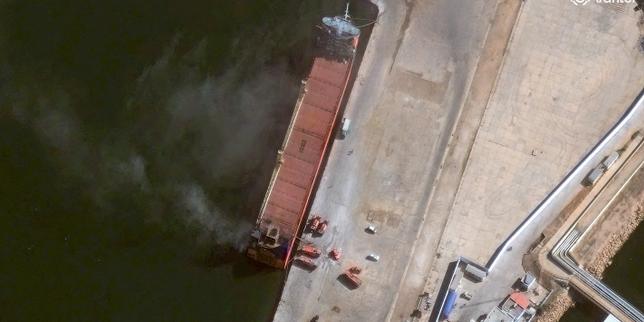
- The corvette Merkury: Zelenskyy stated on Monday that Ukrainian forces sank the Merkury, describing it as one of Russia's newer corvettes commissioned in 2023, and said a Ka-27 military helicopter was destroyed in the attack. Commercial satellite imagery from Vantor, reported by outlets including RFE/RL, CBS News, and the Associated Press, showed a capsized, damaged vessel at the Benghazi port area following explosions and fire. Two Libyan military officials initially described severe damage to the corvette and said air, sea, and land defenses tried to stop the drones.
- The MV Angara: Zelenskyy said Ukrainian forces also struck the Russian dry cargo vessel MV Angara, stating Moscow had used the ship to transport weapons. Satellite imagery noted smoke near its bow and emergency response activity along the pier, though the full extent of structural damage wasn't immediately clear from public reports.
- How the drones got there: According to Ukraine's Security Service (SBU), seven domestically built naval drones—widely identified in reporting on SBU footage as Sea Baby maritime drones—were deployed in the operation, with SBU reporting noting launch from a mothership. Meanwhile, two Libyan military officials told the Associated Press that initial investigations indicated drones were launched from a base run by Ukrainian forces in western Libya, where Libyan officials previously told the AP Ukrainian drone specialists had operated out of facilities such as Misrata, Tripoli, and Zawiya.
Notice that tension between the two explanations. Mothership launch versus western Libyan launch isn't a small detail—it shapes diplomatic fallout inside Libya.
Eastern Libya's authorities sent a letter to U.N. Secretary-General António Guterres and the U.N. Security Council calling for an international investigation into the possible use of western Libya to prepare and launch the attack. For Libya's fractured politics, having foreign drone strikes play out near Benghazi turns an already fragile country into an even sharper geopolitical flashpoint.
Misconceptions and Blind Spots in Early Coverage
When a dramatic military headline breaks, people jump to tidy conclusions that don't quite hold up. Here are a few traps worth avoiding.
"Sunk" and "Severely Damaged" Aren't Always Reported Identically at Hour One
In fast-moving maritime strikes, initial accounts often differ. Eastern Libyan officials initially spoke of severe damage and a fire extinguished by civil defense crews, while satellite photos showed a capsized hull in port and Zelenskyy said the warship was sunk. When looking at early coverage, check whether a source is citing Kyiv's operational readout, local officials, or independent imagery—and treat total loss versus capsized-and-salvageable as a distinction that matters over days, not minutes.
This Wasn't a Random One-Off
If you read Benghazi in isolation, it looks like a wild long-range stunt. Looked at alongside strikes on Russian logistics vessels in the Gulf of Finland and drone attacks deep inside Russia, it fits a deliberate campaign against Russia's supply chains and military logistics.
Think about how a navy works in practice. A warship without reliable fuel, repair access, and cargo support is a headache. Hitting ships tied to weapons transport and forward basing forces Moscow to spend more money, escort more hulls, and worry about ports it previously treated as routine stops.
Watch Out for Collateral and Maritime Risks
Any escalation in busy shipping lanes carries side effects. Reporting from the Associated Press and NPR noted that hours after the warship strike, another sea drone hit a Maltese-flagged commercial vessel sailing off Benghazi, according to the Libyan coast guard. Even when military planners target warships or sanctioned cargo ships, crowded coastal waters raise the odds of accidents, misidentification, or diplomatic friction with third countries.
Don't Ignore What Was Happening Back Home
While headlines focused on Mediterranean naval drones, Russia kept up deadly strikes inside Ukraine. Reports on November 23 noted heavy overnight attacks in Kyiv and the Zaporizhzhia region, plus ongoing rescue and recovery from strikes near Kyiv, including in Dymer. Long-range strikes in Libya can hurt Russia's prestige and logistics, yet they don't magically stop missiles and drones from hitting Ukrainian cities tonight.
How to Follow This Story Without Getting Played
If you're tracking this conflict—whether for work, research, or just to stay informed—a few practical habits will save you a lot of wasted time.
- Cross-check claims across different kinds of sources. Pair statements from Kyiv and Moscow with wire reporting from organizations like the Associated Press and commercial satellite analysis when available. When two sources agree on a capsized hull or a port fire, start there.
- Track the diplomatic reaction, not just the explosion. Pay attention to what eastern and western Libyan factions do next, what goes to the U.N., and whether Russia shifts naval visits elsewhere in the Mediterranean. Those moves show real strategic impact better than tough speeches.
- Watch logistics over slogans. Officials on all sides love dramatic phrasing. The real test is whether Russia can keep moving supplies to North Africa and through other maritime corridors without constant disruption.
If you want to go deeper, compare how naval drone tactics evolved in the Black Sea against what's happening now in the Mediterranean and Baltic—the shift from regional coastal defense to multi-theater logistics interdiction is where the bigger strategic story lives.