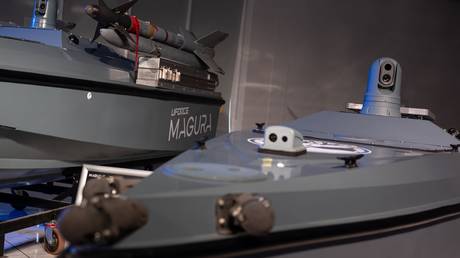
When Ukrainian naval drones hit Russian targets off Libya's coast in late November 2026, the war didn't just reach a new sea. It collided head-on with Western diplomacy and Libyan sovereignty.
Look at how fast the narrative split. Kyiv celebrated hitting the Russian corvette Merkury and the cargo vessel MV Angara—claiming the corvette sank, a Ka-27 helicopter was destroyed, and a weapons supply chain took a direct hit. Meanwhile, officials in Tripoli condemned the strike, eastern Libyan authorities reported casualties among local naval personnel, and the United Nations Support Mission in Libya called for an independent investigation. Several NATO members—including Italy, Türkiye, Greece, and Germany—pushed back against wider Mediterranean escalation. For a different look, check out: this related article.
If you've watched the Black Sea maritime war over the past few years, this wasn't a bolt out of the blue. Western intelligence sharing, maritime surveillance, and years of naval drone development gave Ukraine sea-denial capabilities far beyond what anyone expected from a country without a traditional surface fleet. Yet striking targets near a fractured North African port turns a regional maritime campaign into a diplomatic headache for the very capitals backing Kyiv.
What Actually Happened Off Benghazi
Reports from November 22, 2026 point to a coordinated strike involving seven Ukrainian-made uncrewed surface vessels—reportedly launched from a regional "mothership" rather than traveling the entire distance on their own. Ukrainian officials tied the operation to the Security Service of Ukraine and defense units, framing Russian vessels moving military supplies and equipment as fair game wherever they operate. Further insight on the subject has been provided by The Guardian.
Still, facts on the ground are messy. Libyan sources and OSINT observers offered conflicting details on whether Merkury sank outright or suffered heavy damage, and reports also pointed to strikes near or on commercial or sanctioned shipping linked to Russian logistics. Two Libyan naval servicemen were reported killed, which immediately hardened local anger regardless of Libya's east-west political split.
Honestly, that ambiguity is half the problem. When an uncrewed strike hits inside or right beside a foreign port hosting rival factions and foreign militaries, everyone reads their own motives into the smoke.
Why Libya Matters in Russia's Supply Chain
You don't send naval drones toward Libya just for headlines. Libya sits on the southern shore of the central Mediterranean and acts as a staging post for moving personnel, fuel, and gear toward operations in Africa, including the Sahel where Russian forces operate.
As maritime logistics tighten elsewhere, ports like Benghazi carry outsized strategic weight. Hitting a ship loading or unloading military cargo there targets the logistics tail of a conflict rather than waiting for supplies to show up on a distant front line.
- Port exposure: Docked or anchored ships moving military materiel have limited room to maneuver compared with warships operating at full speed in open water.
- Mothership reach: Launching smaller surface drones from a support vessel changes the range math completely, letting operators strike far outside the Black Sea.
- Political friction: Any strike near Libyan ports drags Tripoli, eastern authorities in Benghazi, and regional neighbors into a war they didn't invite.
Did NATO Hand Ukraine This Capability?
Let's be clear about cause and effect. NATO didn't hand Ukraine a turnkey button saying "strike Libya." What Western allies did—through intelligence, training, communications gear, and defense-industrial support—helped Ukraine build an asymmetric naval drone ecosystem that turned the Black Sea into a trap for Russian ships.
Once a country masters low-cost surface drones and long-range command-and-control, capability tends to outrun the original geographic box. That's the classic strategic dilemma in proxy or partner warfare. Allies want a partner strong enough to impose costs on an adversary, yet nervous when those same tools get used in sensitive third countries.
Critics argue that arming and backing a partner without tight geographic guardrails invites blowback—diplomatic backlash, collateral harm, or escalation in shipping lanes vital to global trade. Defenders of Kyiv's approach counter that Russia uses global logistics routes to sustain its war effort, so Ukraine has a right to interdict military supply lines wherever they run. Both arguments rest on real trade-offs, not simple slogans.
Why European Capitals Are Nervous
For European governments, the Mediterranean isn't a distant theater. It's a commercial artery, an energy corridor, and a migration and security flashpoint all at once.
When a strike happens near Benghazi, governments in Rome, Athens, Ankara, and Berlin feel the heat right away. Even if NATO officials see no immediate surge in Russian naval forces in the Mediterranean after the strike, European leaders worry about two things: miscalculation at sea and wider instability in Libya.
- Shipping and insurance risk: Any attack on vessels near commercial lanes raises maritime security jitters and complicates vessel tracking.
- Libyan fragility: Libya already struggles with divided institutions and armed groups; outside strikes risk turning its ports into proxy battlegrounds.
- Alliance messaging: Public pushback from NATO members shows there's no blank check for expanding naval drone operations into third-country waters.
Separating Fact From Spin in Out-of-Area Strikes
Events like the Benghazi strike generate instant claims from every side. Kyiv highlights destroyed assets and disrupted weapons shipments. Moscow and its allies emphasize sovereignty violations, collateral casualties, and Western culpability. Local Libyan actors react to whatever hits closest to home.
If you want to make sense of stories like this without getting whiplash, look at what can actually be verified versus what's claimed in the fog of war. Satellite imagery, port reports, and independent bodies like UNSMIL matter far more in the first 72 hours than social media clips or victory statements.
How to Track This Story Smartly Going Forward
- Cross-check vessel status across sources: Don't rely on a single claim that a ship sank or survived; watch for independent satellite imagery, maritime registries, and follow-up port reporting over several days.
- Read statements by geography, not just alliance: Separate reactions from Tripoli, eastern Libyan authorities, UNSMIL, and individual European capitals—their incentives differ sharply.
- Watch shipping and supply-chain indicators: Pay attention to cargo routing, sanctions lists, and maritime security advisories in the central Mediterranean rather than hot takes alone.
- Track official investigations: Keep an eye on findings from international monitors and Libyan authorities to see what hard evidence emerges on drone launch methods and casualties.