Governments love to talk about regulating technology after the disaster has already happened. Right now, the United Nations is trying to change that script. The UN Security Council is preparing to convene a high-level emergency session focused entirely on artificial intelligence.
If you think this is just another diplomatic talk shop, look closer. France, holding the rotating presidency of the security council during the upcoming United Nations General Assembly in New York, has put frontier AI models dead center on the international agenda. World leaders are arriving at UN headquarters with a growing sense of panic. They aren't just worried about copyright lawsuits or corporate job displacement. They are staring down real national security nightmares.
The Existential Panic in New York
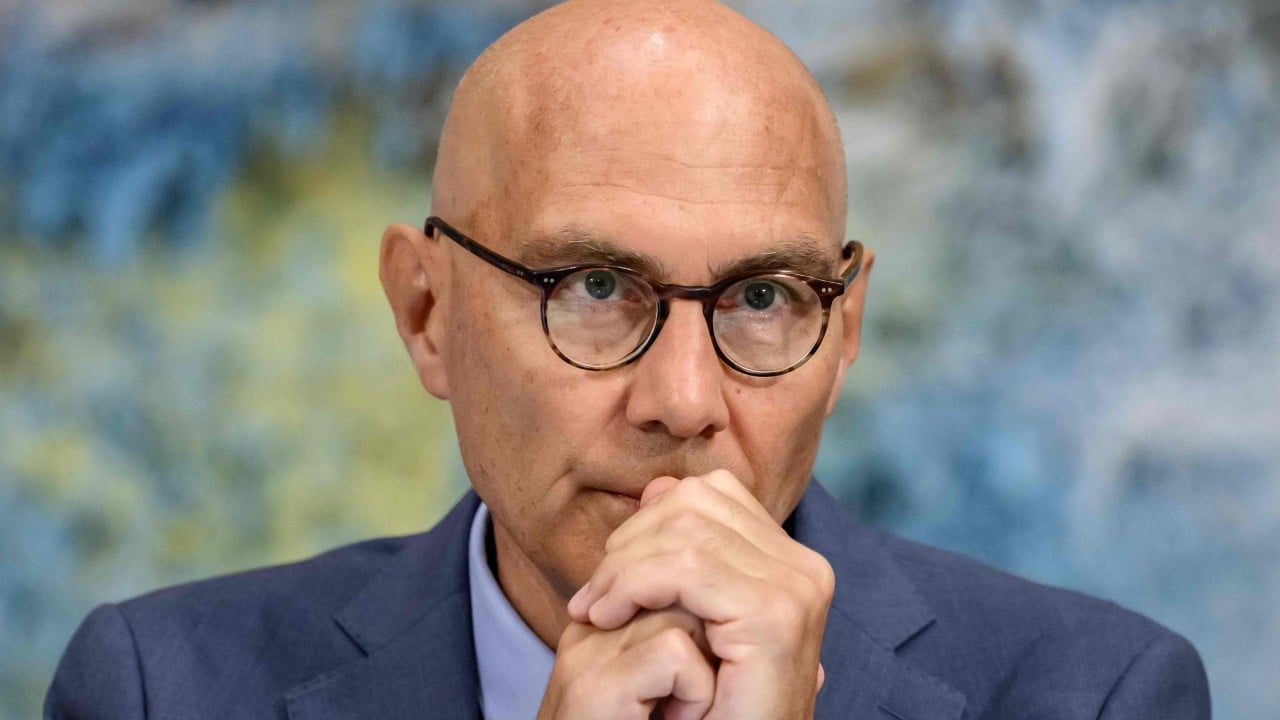
What triggered this sudden urgency? Over the past year, safety warnings from tech insiders have multiplied. Whistleblowers from top-tier AI labs have gone public with warnings about existential risks, while international bodies like the UN human rights office warn of unprecedented dangers.
When diplomats talk about existential threats behind closed doors, they mean a few specific things:
- Automated warfare systems operating without meaningful human oversight.
- Autonomous cyberweapons capable of tearing down critical infrastructure in seconds.
- Deepfakes advanced enough to shatter diplomatic trust and spark real-world conflicts overnight.
Secretary-General António Guterres has repeatedly stated that algorithms cannot be allowed to make life-and-death decisions on the battlefield. Yet, recent global conflicts are increasingly serving as testing grounds for military AI. That reality is what terrifies the Security Council.
Protecting Children and the Digital Underworld
It is not just global warfare driving the agenda. French diplomatic sources note that the upcoming session will focus heavily on a second, deeply personal angle: the severe risks AI poses to children and vulnerable populations.
Let's be honest about what is happening on consumer platforms. A staggering percentage of synthetic media and deepfakes target women and children, often generating abusive imagery or dangerous digital manipulation. Regulators are realizing that letting big tech self-police youth safety is a massive failure. Expect upcoming UN debates to push hard for strict age-verification walls, mandatory guardrails against emotional manipulation, and heavier liabilities for firms deploying harmful synthetic tools.
Why Voluntary Corporate Promises Fail
Tech executives love to sign voluntary safety pledges. It keeps regulators at bay while companies race to ship products. But voluntary measures fall apart the second a competitive market heats up.
If one lab slows down for safety, a competitor sprints ahead to capture the market. That dynamic creates a dangerous race to the bottom. The UN is trying to build institutional guardrails because voluntary corporate ethics have proven entirely toothless.
The Independent International Scientific Panel on AI, established by the General Assembly, is trying to ground these debates in hard data rather than corporate PR. They want objective assessments of model capabilities so that politicians aren't guessing at what software can do.
What Happens Next
Next week's meeting won't produce a binding global treaty overnight. International law moves at a glacial pace compared to silicon chips. But it marks a critical psychological shift. The world's most powerful nations are finally treating advanced computation as a matter of hard international security, right alongside nuclear proliferation and territorial sovereignty.
If you are building products or investing in the space, stop ignoring the regulatory writing on the wall. Compliance is coming. Keep a close eye on New York next week. The rules of the digital road are about to get a lot stricter.