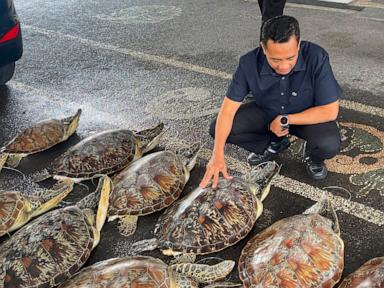
Bali police just intercepted a major wildlife smuggling operation, saving 21 live green sea turtles from the black market. Officers arrested a suspect during the raid, cutting off a trade pipeline that continues to target endangered marine life.
If you think sea turtle poaching ended decades ago, this bust is a harsh reality check. Indonesia strictly protects green sea turtles (Chelonia mydas) under national law, yet the underground demand for their meat and shells keeps the trade alive.
Inside the Bali Bust
Marine police tracked down the shipment before the animals could be sold or slaughtered. The 21 turtles were found alive but highly stressed, crammed into tight spaces without water. Traffickers often bind the flippers of these marine reptiles and hide them under floorboards or in truck beds, causing severe dehydration and physical trauma.
Authorities confirmed that the suspect faces severe penalties under Indonesia’s Conservation Law. If convicted, the individual could spend up to five years in prison and face heavy fines. The rescued turtles were quickly transferred to local conservation centers for medical checks and rehabilitation. The goal is to return them to the ocean as soon as they're cleared by veterinarians.
[Image of green sea turtle swimming]
Why the Black Market Still Demands Green Turtles
Bali has a complicated history with sea turtles. Decades ago, the island was a major hub for the turtle trade. Green sea turtle meat was historically used in traditional Balinese Hindu ceremonies and feasts.
Things changed in 1999 and 2000 when Indonesia enacted strict conservation laws and local religious councils issued edicts replacing turtle meat with alternative offerings.
Today, the persistence of this trade points to a shifting problem:
- Commercial Consumption: Most poached turtles aren't destined for local village rituals anymore. They feed an underground luxury culinary market, both locally and internationally.
- Targeting the Biggest Breeders: Poachers specifically target mature adult green turtles because they provide the most meat. Losing adult breeders is devastating for the survival of the species.
- Regional Networks: Genetic tracking from past seizures shows that many turtles sold in Bali actually come from distant waters around Borneo or Malaysia, proving that wildlife trafficking operates on an organized, transnational scale.
What Happens to Rescued Turtles Now
Saving the turtles from traffickers is only the first step. The rescue process requires immediate medical intervention to ensure the animals survive the ordeal.
Wildlife rescue teams inspect each turtle for deep cuts, fin perforations from being tied up, and internal organ damage caused by prolonged dehydration. Once stabilized in saltwater pools, the turtles undergo rehabilitation. Healthy individuals are released back into the wild at protected beaches like Kuta or Nusa Dua, often drawing crowds of locals and tourists who gather to watch the endangered animals return to the sea.
To protect marine ecosystems, support local conservation groups, report suspicious wildlife products, and avoid buying any items made from turtle shells.