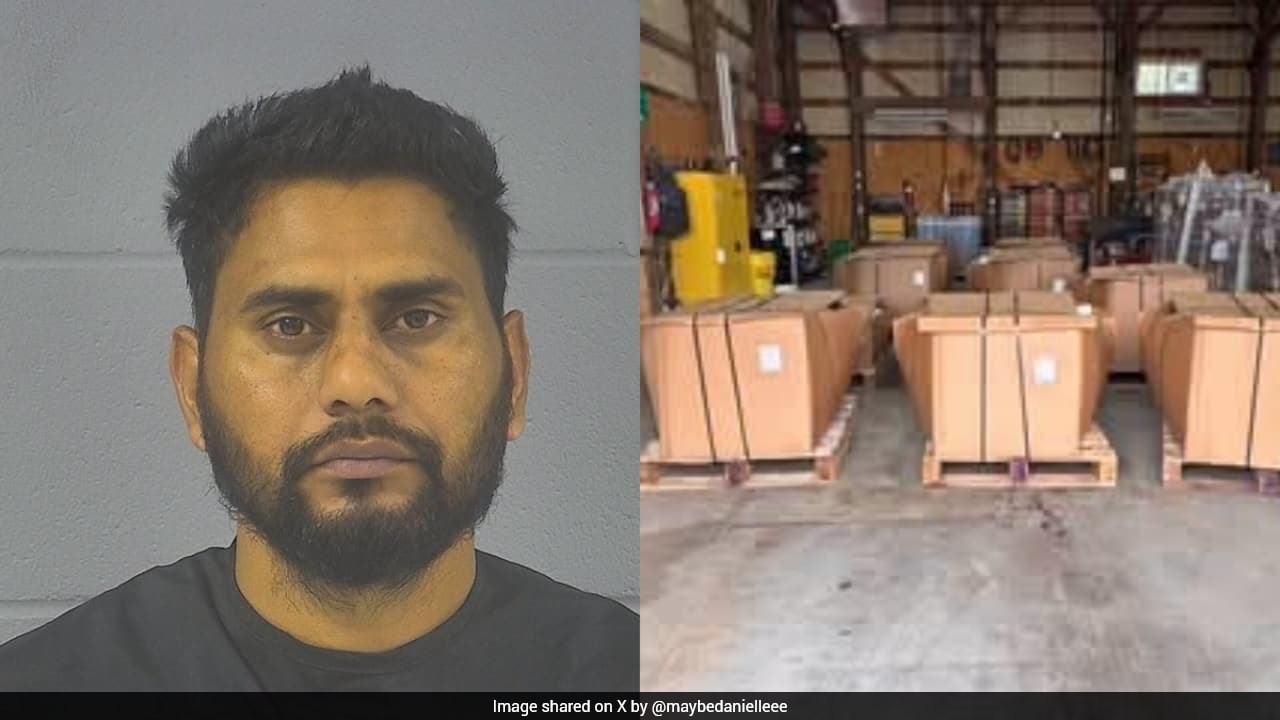
A federal arrest in California just exposed one of the most frightening security gaps in modern American logistics. Federal agents took an undocumented Indian national into custody after he allegedly pulled off a massive heist involving three million dollars worth of extremely dangerous chemical powder.
This wasn't a standard warehouse theft. We aren't talking about stolen electronics, designer sneakers, or high-end apparel. The stolen cargo contained lethal industrial chemicals capable of causing mass harm if handled improperly or weaponized.
When freight security fails on consumer goods, companies write off the loss and move on. When freight security fails on toxic chemicals, it becomes an immediate national security threat. The case raises sharp questions about how hazardous materials move across American highways and who actually oversees the people handling them.
The Breach That Alarmed Federal Law Enforcement
According to federal court filings, the suspect managed to orchestrate the theft of chemical shipments valued at approximately $3 million while residing in the United States without legal immigration status. The stolen substance was a toxic industrial compound utilized in manufacturing and mining processes. In high concentrations, even tiny exposures can prove fatal.
Federal prosecutors allege the suspect manipulated commercial shipping manifests and exploited gaps in regional freight verification. Freight fraud has quietly turned into a billion-dollar industry across North America, but this case shifted the threat level entirely. Stealing high-value cargo is one thing. Walking away with tons of deadly material is something else entirely.
How does someone without legal status or formal corporate credentials walk away with toxic cargo?
The answer lies in the messy, decentralized world of third-party logistics. Freight brokers routinely post load offers on digital broker boards. Truck drivers and independent dispatchers bid on these routes, often without face-to-face identity checks. Fraudsters hijack carrier credentials, fake paperwork, and present themselves as legitimate truckers. By the time the actual chemical manufacturer realizes the load never arrived at its destination, the trailer is empty and the suspect has vanished into the wind.
Why Industrial Chemical Theft Is So Dangerous
Most people don't realize how much toxic chemical volume moves across American interstates every single day. Sodium cyanide, hazardous acids, and industrial solvents sit in the back of standard dry-van trailers and tanker trucks right next to everyday highway traffic.
When organized criminals target consumer freight, their goal is simple. They want fast cash. They flip stolen TVs, makeup, or tools on secondary black markets or online marketplaces.
Chemicals present a totally different problem.
- The resale market for toxic industrial compounds is tiny and heavily monitored by government regulators.
- Unofficial storage of unstable chemicals creates massive environmental and explosion risks.
- The risk of diversion to illicit actors or extremist groups forces federal agencies like the FBI and Homeland Security Investigations to respond instantly.
When three million dollars worth of lethal powder vanishes, federal investigators don't treat it as a routine property crime. They deploy full counter-terrorism and hazardous materials response units to track down every milligram before it hits the open market.
How Supply Chain Fraud Made This Possible
Freight theft spiked dramatically over the past few years, evolving from simple warehouse break-ins to sophisticated cyber-assisted fraud. Criminal syndicates now use identity theft, double-brokering scams, and forged bills of lading to steal entire shipping containers before they ever leave the loading dock.
In this specific case, the suspect took advantage of systemic cracks in the freight verification process.
- Weak Identity Verification: Dispatchers and freight brokers often rely on basic email signatures or digital certificates that are easily forged or stolen from real trucking firms.
- Delayed Tracking Reporting: Many chemical shipments rely on passive GPS tracking, which can be jammed or disabled within minutes of leaving the terminal.
- High-Value Target Exploitation: Chemical shipments carry massive price tags relative to their volume, making them insanely lucrative targets for organized theft rings willing to take the risk.
The fact that the suspect was an undocumented resident adds another layer of security concern. Federal regulations require strict background checks, known as the Hazardous Materials Endorsement (HME) and Transportation Worker Identification Credential (TWIC), for anyone driving or handling hazardous shipments in the United States. A legal commercial driver carrying hazardous cargo undergoes thorough background checks through the Transportation Security Administration.
This case shows how easily those federal security requirements fall apart when criminals bypass the legal hiring system through fraudulent sub-contracting.
What Needs to Change Immediately
This incident should serve as a wake-up call for chemical manufacturers, freight brokers, and federal regulators alike. If an individual without legal status or security clearance can walk off with millions in hazardous powder, the system is fundamentally broken.
First, chemical shippers must stop relying on unverified third-party logistics brokers for hazardous loads. High-consequence cargo requires strict, direct carrier relationships with mandatory physical identity checks at the terminal gate.
Second, real-time biometric verification must become standard for all drivers hauling dangerous goods. A driver picking up hazardous cargo should have to scan their physical TWIC card and match a facial scan against federal database records before the warehouse releases the load.
Third, federal law enforcement must treat freight identity theft as a severe security threat rather than just financial fraud. Until the law treats commercial identity theft with the same severity as cyber-crime, criminal networks will keep exploiting these gaps.
Companies moving hazardous goods need to audit their freight partners today. Verify who is driving your trucks, enforce strict chain-of-custody protocols, and stop trusting unverified digital load boards for critical shipments.