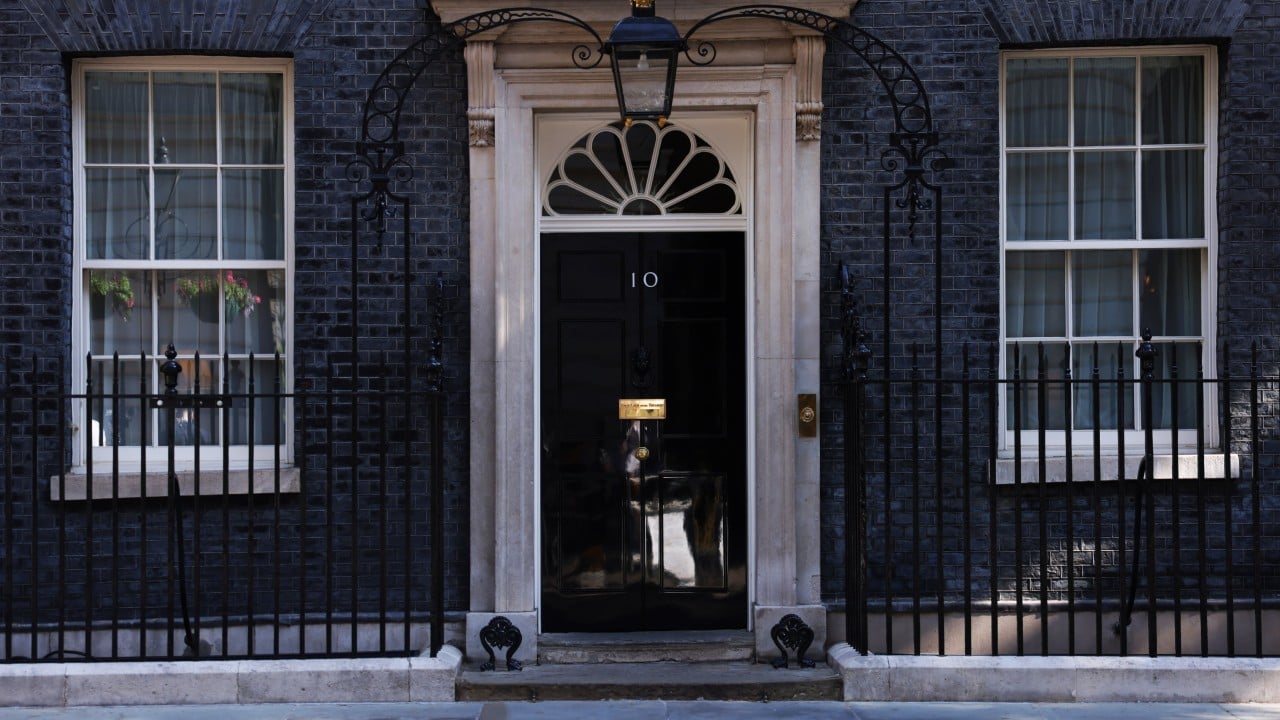
Britain has just swallowed and spit out another prime minister. When Keir Starmer stood outside Downing Street to announce his resignation, it felt like a rerun of a bad movie. We've seen this exact script six times in the last ten years. David Cameron, Theresa May, Boris Johnson, Liz Truss, Rishi Sunak, and now Starmer. The faces change, but the underlying rot remains completely untouched.
If you're trying to understand why British politics looks like an unstable reality TV show, you're looking at the wrong things. It's not about personal scandals or bad communication. The real problem is a broken economic structure and an unworkable political system that burns through leaders because nobody can fix the structural decay.
The Myth of the Landslide Salvation
When Starmer won a massive majority in 2024, commentators screamed that stability had returned. It hadn't. The victory was an illusion. Voters didn't love Labour; they just desperately wanted to punish the Conservatives. Starmer inherited a country with crumbling public services, an overstretched National Health Service (NHS), and local councils going bankrupt.
You can't fix a decade of underinvestment with cautious incrementalism. Rachel Reeves, the Chancellor, tried to balance the books by raising employers' National Insurance contributions in her early budgets. What happened? Businesses panicked. They stopped hiring. The UK unemployment rate ticked up from 4.3% to 4.9%.
Then external shocks hit. Donald Trump’s trade tariffs pushed up the cost of raw materials. By early 2026, global conflicts drove oil prices higher, sending inflation back up after it had finally neared the 2% target. Starmer promised growth but delivered stagnancy. The International Monetary Fund downgraded UK growth expectations to a miserable 1% for 2026. Voters realized that changing the party in power didn't fix their bills. Starmer's popularity crashed, forcing his exit.
Why Downing Street is a Meat Grinder
British prime ministers used to last for years. Margaret Thatcher and Tony Blair had long, era-defining runs. Today, a UK prime minister enters office with an incredibly short shelf life.
The structural problems are too deep for quick political fixes. Take a look at the real issues holding the country back:
- The Productivity Death Spiral: British productivity has been flatlining since the 2008 financial crisis. Companies choose to rely on cheap labor rather than investing in new machinery or tech.
- The Housing Stranglehold: A restrictive planning system makes building anything next to impossible. Young people spend half their income on rent, meaning they can't save or spend money in the wider economy.
- The Healthcare Tax: The NHS is no longer just a healthcare provider; it's an economic black hole. Long waiting lists keep hundreds of thousands of people out of the workforce, draining tax revenues while requiring massive financial bailouts.
When a new leader takes power, they face an immediate choice. Do they tackle these deep, painful issues and anger powerful interest groups, or do they tinker around the edges? Most choose to tinker. The public grows frustrated, the media turns hostile, and the party panic kicks in.
The Andy Burnham Era Won't Save the System
With Andy Burnham emerging as the front-runner to replace Starmer, the media is already building up the next savior narrative. As a former Mayor of Greater Manchester, Burnham brings a "voice of the regions" vibe. He pretends he’s an outsider, even though he spent years in Westminster.
But a new face won't change the numbers. Morningstar DBRS recently noted that frequent leadership changes create massive uncertainty around policy implementation. Investors don't want to put money into a country where the rules change every two years.
Whoever takes over next is walking into a trap. They have to manage a massive national debt, fund a broken welfare state, and somehow spark growth without spending money they don't have. If the next prime minister sticks to the same old playbook, they'll be giving their own farewell speech outside Downing Street by 2028.
What Needs to Happen Next
Fixing Britain requires moving past standard political talking points. If you want to see if the next government is serious about fixing the country, look for real policy changes instead of rhetorical promises.
First, the government must pass radical planning reform. If a administration won't fight suburban homeowners to build houses and laboratory space, economic growth will remain dead.
Second, the tax system needs to shift away from punishing work. Relying on working people and businesses to fund the state through high National Insurance while leaving property wealth largely untouched kills productivity.
Finally, the UK needs a long-term infrastructure strategy that survives political transitions. You can't build a modern economy when major rail projects and green energy grids get cancelled every time a new faction wins an internal party argument.
The high turnover at Downing Street isn't a streak of bad luck. It’s the predictable result of an entire political class refusing to face reality. Until a leader arrives who is willing to risk their short-term popularity to fix the foundations, the UK will keep breaking its prime ministers.