For over two decades, the United States held a status that public health officials took immense pride in. Measles was officially eliminated here in 2000. That meant the relentless, highly contagious virus was no longer continuously spreading within our borders.
That streak is officially over.
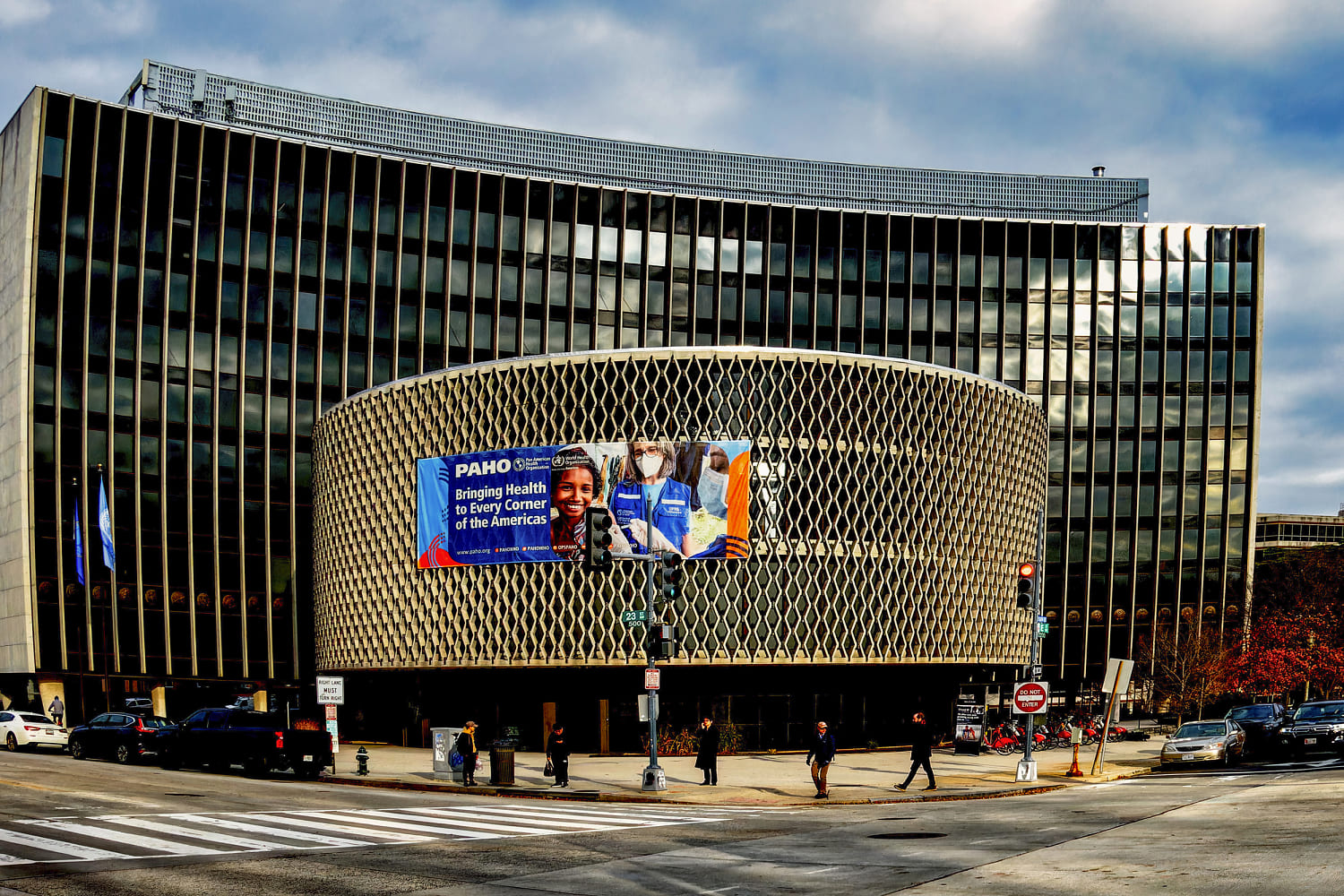
The Pan American Health Organization has revoked the United States measles elimination status after a devastating surge of over 5,400 cases and multiple preventable deaths nationwide. We didn't just stumble backward; we engineered a collapse of public health protection through rising vaccine hesitancy and institutional failures.
Let's look at what this status loss actually means, why it happened, and how we got here.
The Numbers Behind the Collapse
You can't talk about this milestone without looking at the raw data from the Centers for Disease Control and Prevention. Last year, the nation recorded 2,242 cases—already a multi-decade high. This year blew past that record entirely, topping 5,400 confirmed infections by mid-November.
Outbreaks are driving these numbers. More than 40 distinct outbreaks have ripped through 45 states and Washington, D.C. Roughly a third of this year's cases are directly tied to transmission chains that started back in 2025.
Hospitalizations are climbing right alongside infections. Over 590 people have been hospitalized, many of them young children under the age of five who are too young to be fully immunized or vulnerable due to underlying conditions. Most heartbreaking of all, at least ten people have died across states like Pennsylvania, New York, and Wisconsin.
These aren't abstract statistics. These are children and adults dying from a disease that was completely eradicated from American soil a generation ago.
Why Did the United States Lose Its Status?
To understand how a country loses elimination status, you have to look at the World Health Organization's criteria. A nation keeps its elimination badge if it stops continuous, endemic transmission of the virus for 12 months or longer. If an outbreak lasts longer than a year and local chains of transmission go unbroken, the safety net snaps.
That safety net is herd immunity, powered almost entirely by the two-dose MMR vaccine.
Measles is arguably the most contagious virus known to science. If someone infected walks into a room, the virus can linger in the air for up to two hours after they leave. Because it spreads so easily, community protection requires high vaccination coverage—ideally around 95% of kindergarteners.
National kindergarten vaccination rates have slipped below 92%, and in many local jurisdictions and counties, coverage has cratered far lower. When pockets of under-vaccinated communities grow, the virus finds fertile ground. It rips through schools, community centers, and waiting rooms with terrifying speed.
The Real Cost of Vaccine Hesitancy
We have a safe, remarkably effective tool sitting on clinic shelves. Two doses of the MMR vaccine are roughly 97% effective at preventing measles entirely. If you get vaccinated, you are virtually bulletproof against the virus.
So why aren't people taking it?
Public health experts point to a toxic mix of shifting cultural norms, declining institutional trust, and unchecked misinformation. High-profile skepticism from political leaders and health figures has normalized doubt around routine childhood immunizations. When lawmakers make it easier to opt out of school vaccine mandates—as several states did recently—exemption rates jump, and vaccination coverage drops immediately.
Misinformation spreads faster than the virus itself. Rumors about vaccine safety, combined with a cultural fatigue following the pandemic, have created an environment where parents question interventions that our grandparents fought hard to secure.
The tragic irony is that people who choose not to vaccinate are relying on the herd immunity built by everyone else. Once that collective wall crumbles, everyone is exposed. Infants, pregnant women, and immunocompromised cancer patients who cannot receive live vaccines pay the highest price for choices made by others.
What Happens Now?
Losing elimination status isn't just a bureaucratic demotion on a global health scorecard. It signals a profound failure of our public health infrastructure. It damages our global standing and turns the United States into a cautionary tale for developing nations that used to look to us for guidance on disease eradication.
Regaining that status won't be easy, but it is entirely possible. Brazil lost its elimination status in 2019 due to imported cases and falling coverage, but clawed it back by 2024 through aggressive vaccination campaigns.
The path forward requires boring, hard work. State legislatures must tighten school exemption rules and restore baseline immunization requirements. Local health departments need resources to track outbreaks before they explode. Doctors and pediatricians have to lean into difficult, compassionate conversations with hesitant parents to rebuild trust one family at a time.
If you haven't checked your vaccination records or your children's shot schedules, do it today. The tools to fix this are right in front of us. We just have to choose to use them.
Get your shots, protect your communities, and stop treating preventable diseases like a harmless inconvenience.