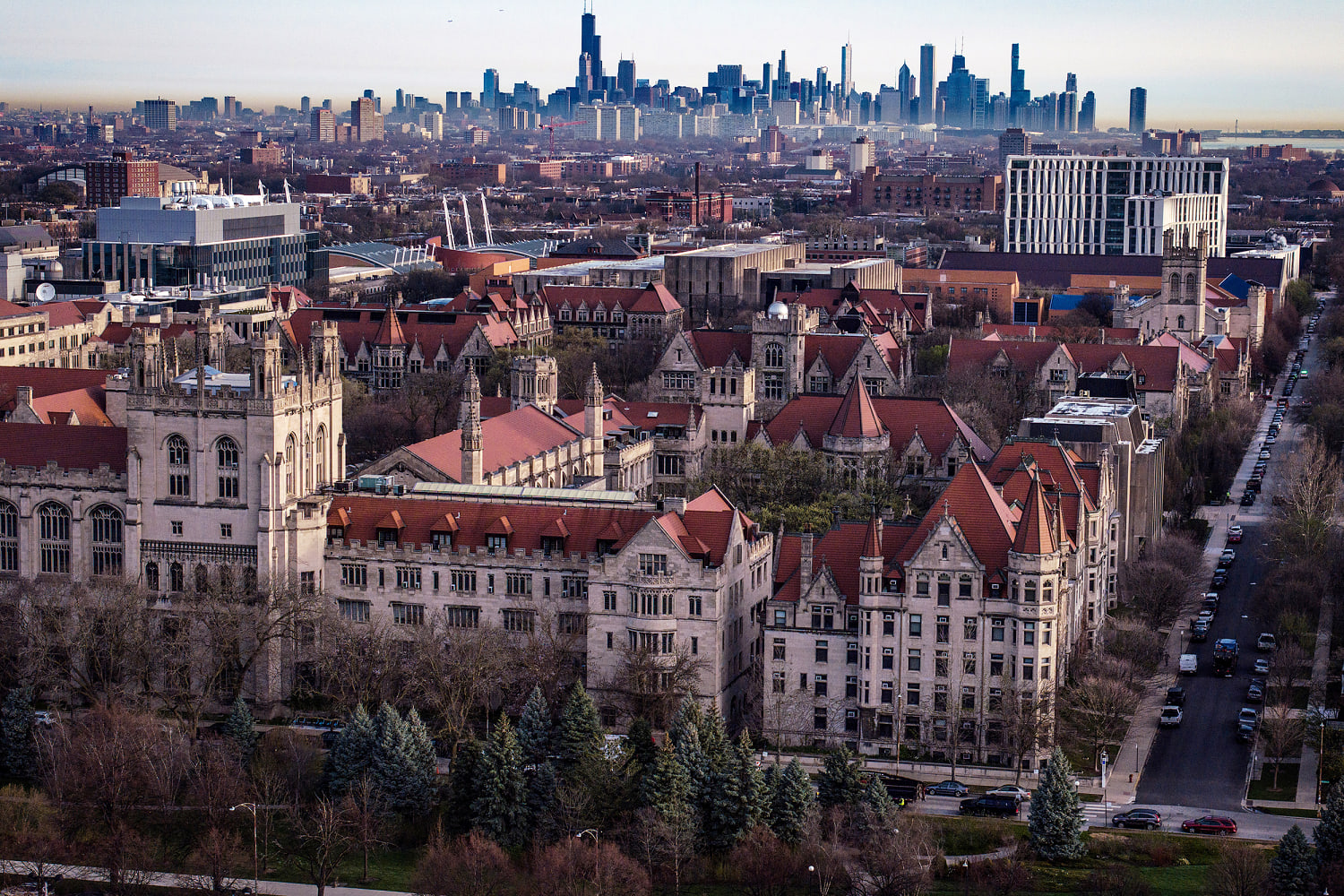
Campus safety protocols are failing students in broad daylight. When a young woman stepped inside a fraternity house near the University of Chicago, she expected a normal weekend gathering. Instead, she and her friends encountered an environment where accountability vanished and danger took its place.
Police and university officials are currently investigating an alleged sexual assault that took place during a weekend party at a campus fraternity house. According to reports and police filings, the incident exposed a chilling breakdown in bystander intervention. Witnesses reported hearing a crowd of individuals outside a locked basement door chanting and encouraging the activity unfolding inside. In similar updates, we also covered: Why The India Uae And Us Mumbai Trilateral Meeting Changes The Global Energy Game.
When the victim's friends realized something was wrong, they didn't wait for campus security. They forced their way past the locked door, confronting an assailant standing over an unresponsive woman. Rather than stopping, the surrounding crowd actively trivialized the situation. This dynamic highlights a dark reality of greek life culture on many major campuses.
Why Frat Party Safety Protocols Are Broken
Universities love to talk about risk management policies. They mandate training seminars, require sober monitors, and distribute safety pamphlets at orientation. Yet, when the music turns up and rooms get crowded, those rules dissolve. Wikipedia has provided coverage on this fascinating issue in great detail.
The University of Chicago incident brings several harsh truths to light:
- Bystander apathy often turns into active participation. Instead of stepping in, crowds outside the room reportedly cheered and joked about who was next.
- Enforcement is reactive, never proactive. Institutions only step in after a crisis hits the news or legal filings drop.
- Victim advocacy relies heavily on peer intervention. In this case, quick-thinking friends risked their own safety to physically break into the room and pull the attacker away.
The Immediate Aftermath and Public Backlash
The horror didn't stop inside the basement. Following the confrontation, the friends managed to help the victim outside onto the sidewalk. Instead of dispersing, individuals from the party allegedly pointed, laughed, and recorded the distressed students.
One friend took matters into her own hands, chasing the suspect down the street while filming the confrontation. That video circulated widely across social media platforms, sparking intense outrage and forcing local law enforcement to accelerate their investigation.
What Needs to Change Right Now
If universities want to prevent these tragedies, administrative memos aren't enough. Real change requires dismantling environments that protect perpetrators. Greek organizations must face immediate suspensions when credible reports emerge, and bystander intervention needs to move from a PowerPoint slide to a zero-tolerance cultural standard. Students shouldn't have to act as private investigators and security guards just to attend a weekend social event.
Accountability starts long before the police arrive. Until institutions impose absolute consequences for toxic behavior, campus fraternity houses will remain high-risk zones where safety takes a backseat to secrecy.
Univ. of Chicago students react after woman says she was sexually
This news report provides student reactions and local coverage regarding the ongoing police investigation into the fraternity party incident at the University of Chicago.
http://googleusercontent.com/youtube_content/1