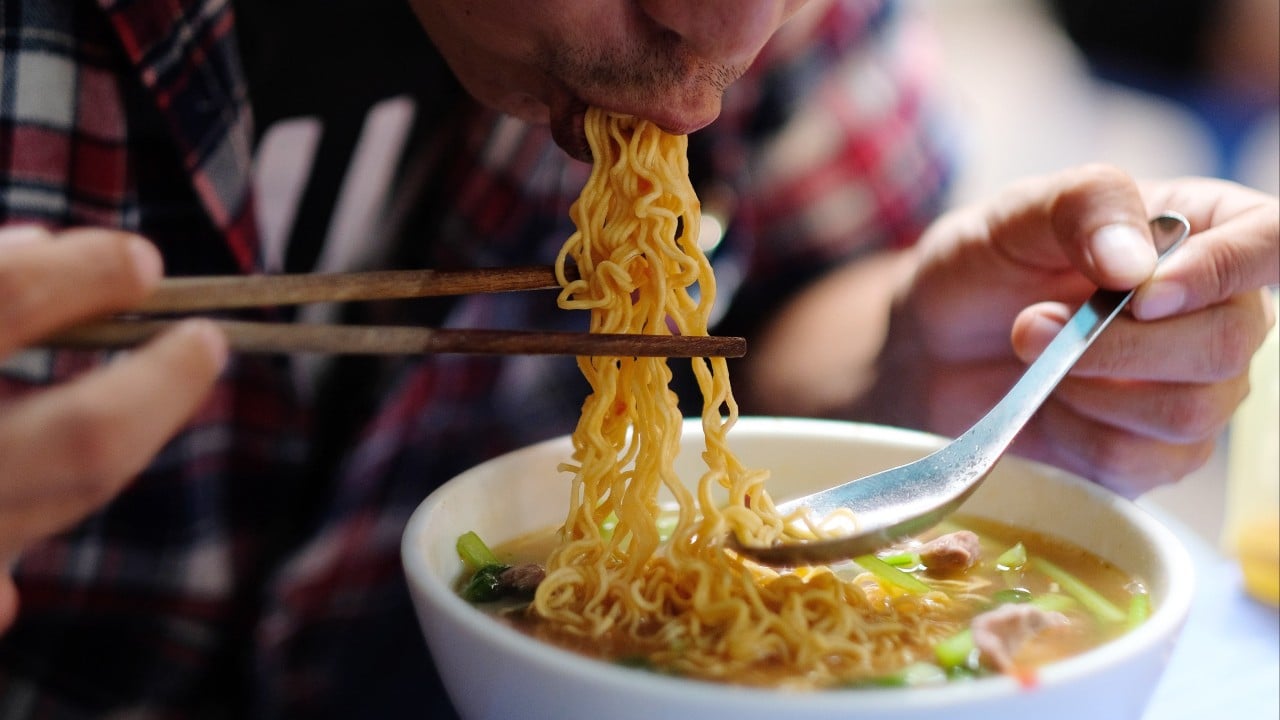
You sit down at a crowded street-side stall or a neighborhood restaurant, expecting a warm, comforting meal. You don't think about where the pork or beef came from. But recent headlines across Southeast Asia tell a darker story. Massive meat seizures in Thailand and Vietnam aren't just minor customs violations. They expose a sprawling, underground market for uninspected, diseased, and expired animal products.
When law enforcement raids warehouses and seizes thousands of kilos of tainted protein, it reveals a systemic vulnerability. Rising inflation, squeezed profit margins, and porous borders create a dangerous cocktail. Food safety on the plate isn't as guaranteed as people think.
The Economics Behind the Tainted Meat Trade
Why are illegal meat shipments surging now? The answer comes down to simple math. Energy prices, logistics expenses, and feed costs have climbed drastically over the last few years. Small restaurants, street vendors, and food processing operations face intense financial pressure to keep prices low.
Unscrupulous suppliers exploit this desperation. They offer deeply discounted meat cuts that bypass official slaughterhouses, health inspections, and cold-chain regulations. Some of these shipments include meat past its expiration date, chemically treated to mask spoilage, or sourced from livestock culled due to disease outbreaks.
When operating margins shrink, safety protocols are often the first casualty. Owners trying to survive a tight economy look the other way, accepting cheap protein without asking questions about its origin.
Porous Borders and Regional Supply Chains
Southeast Asia's geography makes supply chain oversight an immense challenge. Long, porous land borders and active maritime routes allow contraband meat to slip past authorities with relative ease. Smugglers exploit gaps in regulatory enforcement between neighboring countries, moving unquarantined livestock and boxed cuts across borders under the cover of night.
In Vietnam, major urban centers like Ho Chi Minh City have repeatedly cracked down on massive caches of illegal meat. Authorities have seized tons of frozen animal parts stashed in unhygienic facilities, lacking proper origin documentation. Similarly, Thai enforcement agencies have intercepted illegal shipments smuggled through border provinces, intended for distribution to local markets and eateries.
The scale of these busts suggests they represent only a fraction of the total volume entering the food supply. Much of it reaches the public before inspectors ever catch up.
The Hidden Health Threats on Your Plate
Eating uninspected meat carries severe health risks that go far beyond standard food poisoning. Unregulated slaughterhouses lack basic sanitary controls. Contaminated water, improper handling tools, and lack of refrigeration turn meat into a breeding ground for harmful bacteria like Salmonella, E. coli, and Listeria.
More alarmingly, illegal meat channels raise the specter of animal-borne diseases jumping to humans. When livestock shipments bypass veterinary checks, pathogens like African swine fever or avian influenza can circulate undetected. While these viruses primarily devastate regional agriculture and livestock populations, the breakdown of biosecurity creates an environment where dangerous zoonotic spillover becomes much more likely.
Furthermore, illegal suppliers frequently use banned chemical preservatives or excessive antibiotics to extend the shelf life of rotting product. Consuming these residues over time contributes to antibiotic resistance, rendering common medical treatments ineffective when people get sick.
Why Traditional Inspections Are Failing
Government agencies are fighting a losing battle with outdated enforcement models. Traditional food safety strategies rely on random spot-checks of wet markets and licensed vendors. But the underground meat trade operates through digital channels, encrypted messaging apps, and hidden suburban warehouses.
Inspectors often lack the manpower and funding to track sophisticated smuggling networks. Even when fines are levied, they are frequently treated by rogue operators as a routine cost of doing business rather than a serious deterrent.
Consumers bear the brunt of this enforcement gap. Labels are easy to fake, and once meat is chopped, seasoned, and cooked, spotting the difference between fresh local produce and smuggled, diseased carcasses becomes nearly impossible.
Protecting Yourself in a Risky Market
Navigating food safety in an environment flooded with contraband requires a shift in habits. You can't control what happens behind closed restaurant doors, but you can change where and how you buy your food.
Buy raw meat exclusively from reputable supermarkets or certified vendors with transparent supply chains. Avoid purchasing heavily discounted meat from unverified online sellers or pop-up markets offering prices that seem too good to be true. When dining out, choose establishments with high turnover and visible kitchen standards.
Governments must also modernize. Strengthening cross-border intelligence, implementing strict digital traceability for meat products, and imposing severe criminal penalties on repeat offenders are essential steps to clean up the supply chain. Until those systemic fixes take hold, the risk remains sitting right there on the table.