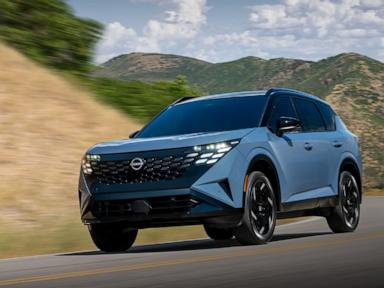
Buying a new car right now feels like walking through a minefield of overhyped concepts and disappointing tech. You scroll through endless press releases, and everything sounds revolutionary until you look at the sticker price or realize the range estimates are pure fiction. If you're trying to figure out which upcoming releases are worth waiting for, automotive analysts at Edmunds recently highlighted five vehicles undergoing massive redesigns or powertrain shifts that actually change the game.
Let's skip the marketing fluff and look at what makes these specific models worth watching, where the industry is heading, and how to decide if you should hold off on your next purchase.
The Shift Toward Practical Hybrid and EV Options
The automotive market is currently splitting into two distinct camps. One camp pushes six-figure electric flagships that nobody outside of tech billionaires can afford. The other focuses on bridging the gap with practical layouts, realistic price tags, and powertrains that solve actual daily driving headaches.
When Edmunds put together their latest watchlist focusing on major upcoming releases, they didn't just pick shiny objects. They looked at vehicles offering concrete advantages over current showroom models.
1. The 2027 Nissan Rogue Hybrid
Nissan's best-selling compact SUV is finally getting a proper overhaul, and the mechanical setup is fascinating. Instead of a traditional hybrid system, it uses an E-Power setup.
Think of it like an electric car with a built-in generator. A small gas engine runs exclusively to recharge the battery pack, which then powers the electric motors driving the wheels. Nissan estimates it will hit 38 mpg in combined city and highway driving.
Why it matters: You get the instant torque and smooth, quiet acceleration of an electric vehicle without ever having to plug it in at a public charging station. If your commute involves heavy stop-and-go city traffic where traditional hybrids shine, this is worth keeping on your radar.
2. The 2028 Toyota Highlander Electric
Toyota is shaking up its family-hauler formula by turning the Highlander into a dedicated three-row electric SUV with a quoted range of up to 320 miles.
If you want a gas or hybrid powertrain, you'll have to look toward the larger Grand Highlander. But for families wanting to make the jump to full electrification without sacrificing passenger space, the electric Highlander fills a massive gap. Edmunds' early driving impressions note that the third-row seating is significantly more comfortable for adults than the cramped quarters of older generations.
3. The 2027 Audi Q9
For luxury buyers, Audi is shaking up its lineup by retiring the aging A8 sedan and introducing the Q9, the largest three-row SUV the brand has ever built.
Targeting heavy hitters like the BMW X7 and Mercedes-Benz GLS, the Q9 packs a 429-horsepower turbocharged V6 and offers a six-passenger layout with second-row captain's chairs. The third-row area is genuinely usable, which addresses the main complaint families had about the smaller Q7. It's expensive, but it represents a major flagship pivot for Audi's upper tier.
4. The 2027 Chevrolet Silverado 1500
Full-size trucks move at a glacial pace, which makes a complete redesign a monumental event. Chevrolet is updating its flagship pickup to better battle the Ford F-150 and Ram 1500.
The newest Silverado brings a massive 16.3-inch standard touchscreen, bolder exterior styling, and upgraded V8 options. You can choose between a 5.7-liter V8 pushing 402 horsepower or a muscular 6.2-liter V8 making 481 horsepower. GM's hands-free Super Cruise technology will also be available on top trims, making long highway towing runs significantly less exhausting. Starting prices are projected around $40,000 for base configurations, climbing past $80,000 for off-road ZR2 variants.
5. The 2027 Slate Truck
No budget-friendly vehicle has generated quite as much online debate as the Slate Truck. Coming from an American automotive startup, this bare-bones, two-seat electric pickup is smaller than a Ford Maverick.
By design, it comes without factory paint or even an infotainment touchscreen to keep costs down. Buyers are encouraged to customize it themselves, with options to convert the cargo bed into a seating area.
The catch: You have to go in with your eyes wide open. Its estimated range sits at a modest 205 miles, and it lacks basic amenities most drivers take for granted. At a starting price of roughly $26,400, it's an intriguing experiment in minimalist transportation, but it's definitely not for everyone.
What This Means for Your Next Car Purchase
Timing a car purchase always comes down to compromise. If you need a vehicle today, waiting around for a 2027 or 2028 model year vehicle doesn't make sense. Dealership lots are packed with solid choices right now, and waiting often means dealing with first-year production quirks or inflated dealership markups.
However, if your current car is hanging on and you can afford to wait a few months, holding out for these upcoming redesigns could save you from buyer's remorse. Hybrid efficiency is creeping into segments that previously only offered gas-guzzling V6s, and EV startups are finally rolling out cheaper alternatives that don't cost a fortune.
Evaluate your daily driving habits, calculate your real mileage needs, and don't buy into hype until you've sat behind the wheel yourself.