Diplomatic summits bring out the worst in bureaucratic turf wars. When a national leader travels abroad, transport logistics turn into high-stakes poker games.
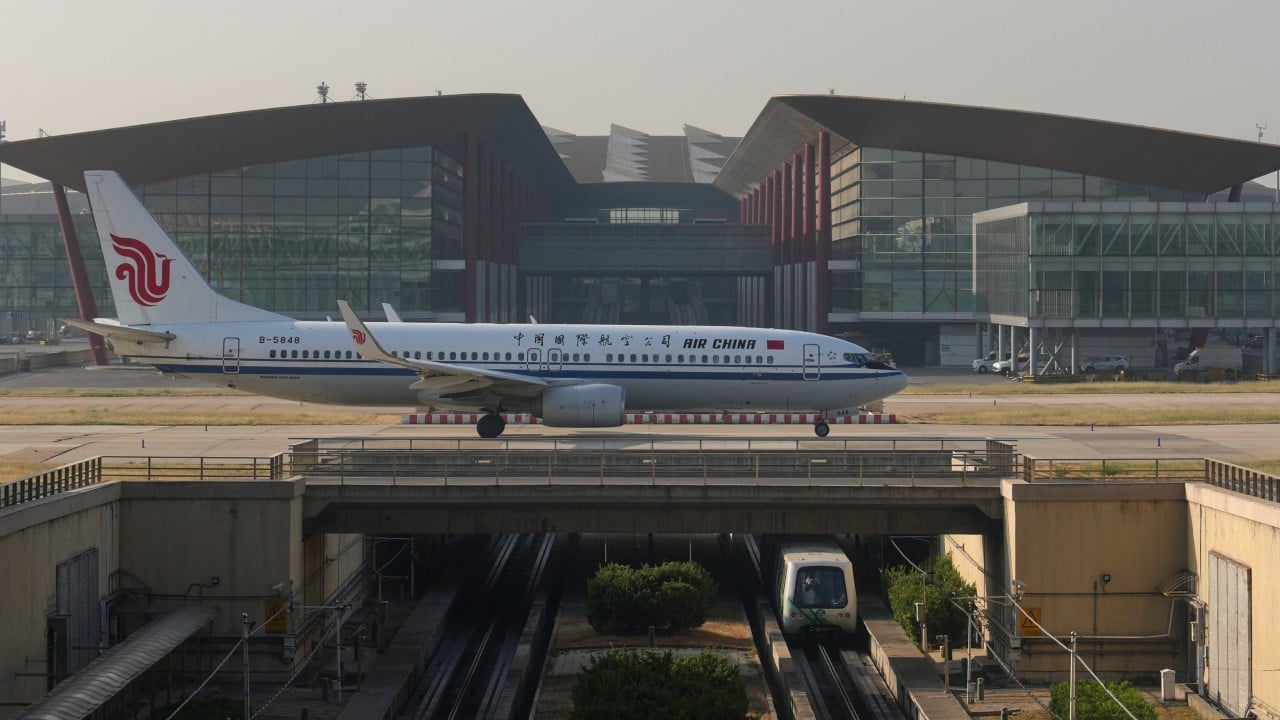
Right now, Washington regulators are staring at a simple request with massive political baggage. Air China wants two extra flights to New York and Washington to handle the traffic around Chinese President Xi Jinping’s state visit. Sounds harmless enough, right? Move the diplomats, the press, and the security details, then get back to business. Also making headlines in related news: Inside Connecticut Last Standing Livestock Auction Run By Two Sisters.
Except American carriers refuse to let it go.
Airlines for America—the trade group speaking for heavyweights like American Airlines, Delta Air Lines, and United Airlines—slammed down a formal objection. They don't want the US Department of Transportation to approve the additions as scheduled frequencies. They want them treated as isolated charter flights, or blocked entirely. More details regarding the matter are covered by Harvard Business Review.
Why panic over two flights? Because this isn't about two airplanes landing on the East Coast. It's about a multi-billion dollar airspace war that has been simmering for years.
The Russian Airspace Inequality Problem
To understand why American airline executives are sweating, you have to look at a map drawn after the invasion of Ukraine in 2022.
When Washington banned Russian carriers from US skies, Moscow retaliated by closing its airspace to US airlines and much of the Western aviation industry. Flying around Russia adds massive detours, extra hours in the air, and brutal fuel burn for American jets trying to reach Asia.
Chinese airlines dodged that penalty. They still fly right across Russian airspace, shaving hours off their flight times and keeping operating costs artificially low.
US carriers argue this creates an unplayable, uneven playing field. Every time a Chinese carrier adds a regular frequency to the United States, American airlines lose market share to an opponent playing with a stacked deck.
When Air China filed its request with the Department of Transportation in September 2026, domestic carriers immediately flagged the trap. They know that if these temporary summit flights get folded into the official schedule, Beijing gains a dangerous precedent to demand permanent capacity increases.
Regulators Caught in the Middle
The Department of Transportation faces an impossible balancing act.
On one side, you have the raw demands of international diplomacy. Heads of state need infrastructure to support major diplomatic summits. Shutting out a visiting leader's national carrier creates an unnecessary diplomatic bruise right before high-level talks on trade and technology.
On the other side, domestic airline lobbies hold immense political sway. Back in October 2025, regulators floated a preliminary order that would have barred seven Chinese airlines from using Russian airspace on US routes, citing unfair competition under the 1980 bilateral aviation agreement. But that rule got shelved after other government agencies pushed back ahead of broader trade negotiations.
Now, the issue is back on the desk. Regulators have to decide whether to grant a temporary waiver for the Xi-Trump summit or hand US airlines a victory by forcing the flights to run under strict charter rules.
What Happens Next
If you're watching transpacific travel trends, keep an eye on how Washington handles this docket.
A compromise is likely. Regulators will probably designate the flights as pure charters to appease domestic airlines while keeping the summit logistics intact. But it's a temporary patch on a structural fracture.
Until the underlying dispute over Russian airspace gets resolved, every single flight approval between the US and China will trigger a full-scale political brawl. The stakes go far beyond two planes touching down in Washington and New York. It's about who gets to dictate the economic rules of global aviation.