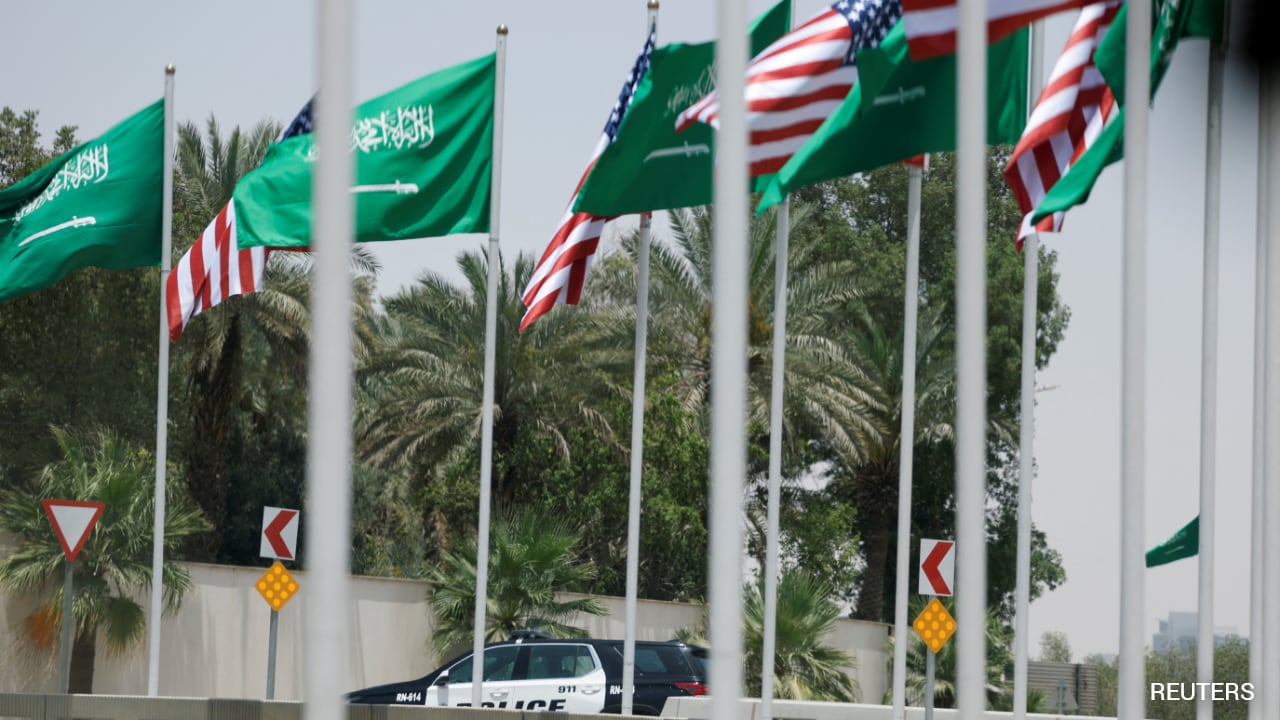
Geopolitics never pauses. Washington just greenlit a massive weapons transfer right in the middle of escalating regional conflict.
The United States approved a staggering $5 billion sale of bombs, guidance kits, and associated defense equipment to Saudi Arabia. If you have been following the fallout from the US-Israeli campaign against Iran, this move shouldn't shock you. But it demands a closer look.
Riyadh has found itself directly in the crosshairs. Iranian forces and Tehran-backed Houthi rebels in Yemen have repeatedly targeted Saudi territory with drones and ballistic missiles since the broader conflict erupted earlier this year. Missiles don't care about diplomatic niceties. They land where they are aimed, and Saudi infrastructure has taken a beating.
So, Washington stepped in with hardware.
Understanding The Strategic Logic Behind The 5 Billion Dollar Deal
Why sell billions in munitions right now? The official rationale from the State Department boils down to a classic foreign policy script. Officials claim the package improves Saudi Arabia's airborne defense capabilities against current and future regional threats. It also aims to strengthen homeland defense and ensure Saudi systems talk smoothly with American military hardware deployed across the Gulf.
Let's be real about what this means on the ground.
When you fight a shadow war that turns into an open regional conflict, your allies need ammunition. Interceptor missiles and precision-guided bombs get used up at an alarming rate. When supply chains run dry, defense postures collapse.
- Saudi airspace faces persistent drone incursions from multiple fronts.
- Patriot and other defense battery inventories require constant replenishment.
- Interoperability with US forces means shared intelligence and faster response times.
Washington also designated Saudi Arabia as a major non-NATO ally long ago, meaning these transactions serve deeper strategic alignment goals. By keeping Riyadh heavily armed, the White House tries to stabilize a frantic energy corridor while keeping pressure on Tehran.
What Congress Must Do Next
The State Department already notified Capitol Hill about the proposed transfer. Now comes the legislative hurdle.
Under American arms export laws, Congress has a window to review major foreign military sales. Lawmakers can attempt to block or modify the deal through joint resolutions of disapproval.
Will they stop it? Unlikely.
While certain lawmakers frequently raise human rights concerns or question the wisdom of fueling Middle Eastern conflicts, an active war changes the political math. When an ally faces daily drone attacks and active missile barrages from Iranian proxies, congressional opposition tends to soften behind closed doors. National security arguments usually win the day when oil fields and regional partners are burning.
The Real Cost Of Regional Escalation
We need to look past the press releases. Pumping billions in high-end ordnance into an active theater does not cool down a fire. It feeds it.
Every new shipment of precision bombs changes the tactical calculation for Riyadh. It gives them the means to strike back harder against Houthi positions in Yemen and deter direct Iranian aerial assaults. At the same time, Tehran views these massive US arms transfers as direct proof that Washington remains fully committed to the anti-Iran coalition.
The cycle accelerates.
If you are watching energy markets, shipping lanes, or global defense stocks, this transaction signals a long winter for Middle Eastern diplomacy. Peace talks take a back seat when multi-billion-dollar bomb orders get rushed through congressional notification channels.
Keep an eye on Capitol Hill over the coming weeks. Watch for how regional actors respond to the incoming shipments. The real test of this package won't be signed contracts on a desk in Washington. It will be whether these munitions can actually secure Saudi airspace or simply drag the wider region deeper into a prolonged war of attrition.