High-stakes diplomacy rarely looks clean from the inside. Right now, behind closed doors in Washington and Beijing, trade envoys are sprinting to nail down concrete agreements before the upcoming Asia-Pacific Economic Cooperation summit in Shenzhen. If you think this is just another routine diplomatic photo-op, you're missing the entire game.
The pressure is mounting. Both sides know that a summit without actionable deliverables is just expensive theater, and neither administration wants to walk away empty-handed. But bridging the gap between American demands and Chinese strategic priorities is messy business, especially when tech controls, critical minerals, and artificial intelligence frameworks are on the table.
Why Shenzhen Is the Ultimate Test for US-China Trade Talks
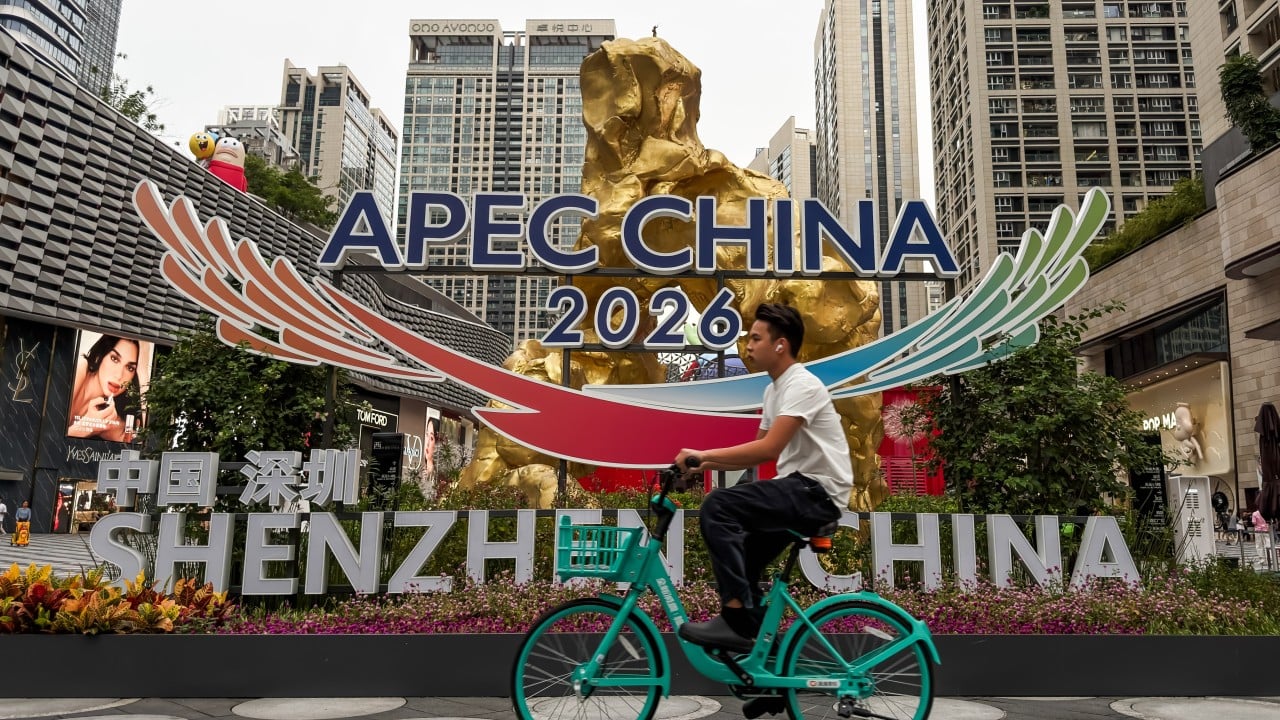
Choosing Shenzhen as the host city for the 2026 APEC summit wasn't an accident. It's China's premier technology powerhouse, a city synonymous with hardware speed, electronics manufacturing, and software innovation. Putting Donald Trump and Xi Jinping in this specific urban engine room sends a loud, unmistakable message about where global power dynamics are heading.
Negotiators are burning the midnight oil because the expectations from financial markets are high. Wall Street and global supply chains want predictability. They want to know whether the trade truce extensions will hold, how export restrictions on critical components will evolve, and whether artificial intelligence governance can find common ground before friction turns into permanent decoupling.
Yet, getting to a signed agreement is proving brutal. According to recent reports surrounding the preparatory talks, Washington is pushing hard for concrete commitments on rare earths and market access, while Beijing is countering with demands for relief on high-tech export bans and semiconductor curbs.
The Core Friction Points No One Is Talking About
Strip away the formal diplomatic communiqués, and you'll find a few brutal realities driving the late-night bargaining sessions.
First, the technology chasm is widening. The US has made it clear that national security safeguards supersede free trade when it comes to advanced computing and AI. Meanwhile, China views these restrictions as an attempt to block its economic rise. Finding a compromise on AI cooperation without compromising core security postures feels like trying to mix oil and water.
Second, domestic political clocks are ticking loudly. Leaders on both sides need wins that satisfy hardliners at home without triggering a full-blown economic backlash. When US Treasury officials and Chinese vice-premiers map out deal frameworks, they are constantly looking over their shoulders at domestic political constituencies that punish any sign of weakness.
What to Expect When the Leaders Sit Down
Don't expect a sweeping grand bargain. That era of bilateral relations is dead and gone. Instead, look for incremental, targeted deliverables designed to keep trade lanes open and prevent accidental escalation.
Expect modest agreements on supply chain transparency, working groups on artificial intelligence safety, and extensions of existing commercial truces. These might not make for explosive headlines, but they keep the machinery of global commerce from grinding to a halt.
Watch how both delegations manage the post-summit messaging. The real test won't be the handshakes in Shenzhen, but whether the ink on these preliminary deals survives the political storms waiting back home.