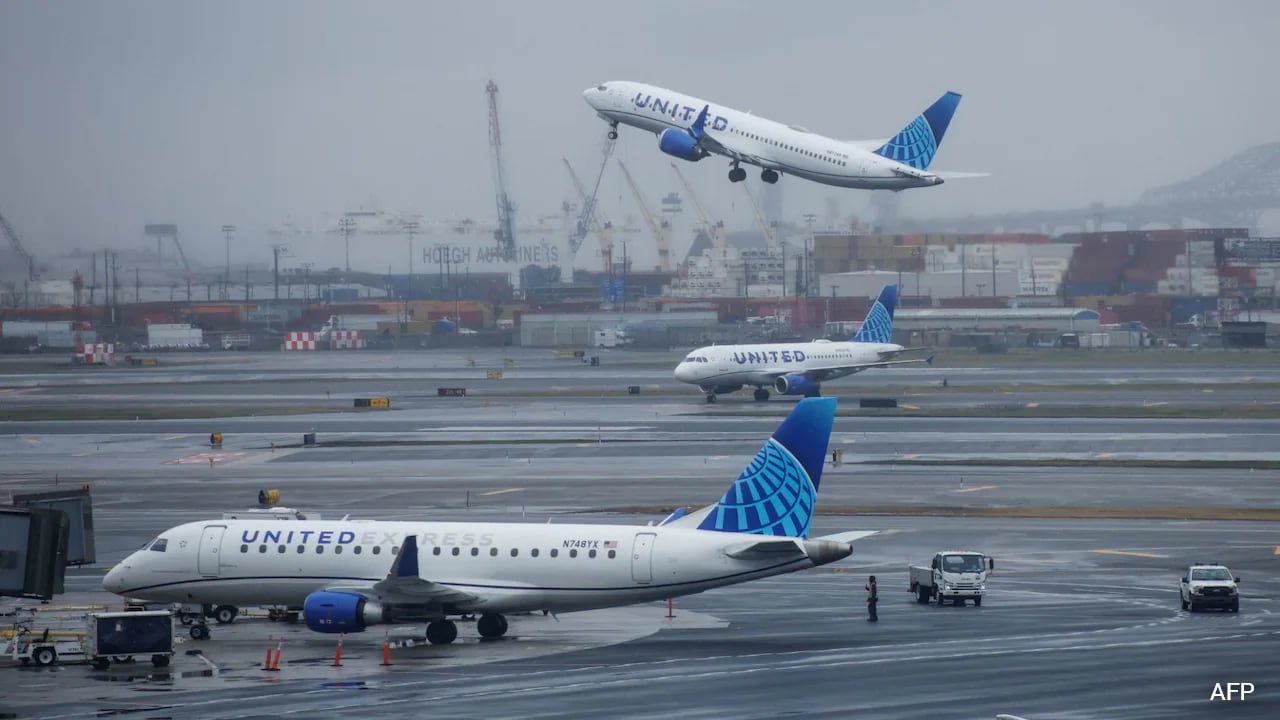
Planes sat frozen on tarmacs across America on a Friday afternoon, and travelers stared helplessly at departure boards flashing endless red delays. The Federal Aviation Administration hit the panic button. Every single departing flight nationwide was grounded. Why? A massive communications breakdown choked regional air traffic control centers.
It felt like a bad movie. Yet, it was painfully real.
If you travel frequently, you know the dread of a delayed flight. But a nationwide halt isn't just an inconvenience. It is a loud, flashing warning sign about the fragile state of American infrastructure. When twenty-two regional air traffic control centers lose their voice, the entire aviation ecosystem grinds to a sudden, complete halt.
The Real Cost of Outdated Technology
Let's be honest. Nobody thinks about the wires and servers hidden beneath control towers until something breaks. But the truth is terrifying. Much of the nation's air traffic system still relies on archaic equipment, miles of aging copper wiring, and radio networks that belong in a museum rather than a modern control room.
Transportation Secretary Sean Duffy pointed straight at this infrastructure deficit when addressing the crisis. Technicians scrambled to diagnose the communications failure, but the root cause is hardly a mystery. You simply cannot run a twenty-first-century global transit network on twentieth-century machinery.
Congress approved twelve and a half billion dollars last year to upgrade these systems. Workers have slowly replaced old copper lines with modern fiber optics. Radio systems at various airports are receiving long-overdue updates.
Progress is happening. It is just happening far too slowly.
Industry experts estimate that another thirty billion dollars will be necessary to finish modernizing the network. The White House is currently lobbying lawmakers for funding, but budget fights in Washington often stall critical safety improvements until a catastrophe forces everyone's hand.
How This Differs From Past Crises
Air travelers remember the shock of January 2023. A critical FAA computer system malfunctioned, triggering the first nationwide ground stop since the tragic events of September 11, 2001.
Friday's incident shared similarities with a regional outage in September that snarled hundreds of flights across the Northeast. The difference this time was scale. The communications glitch hit coast to coast, paralyzing departure gates everywhere.
Former airline pilot and safety analyst Steve Arroyo noted the operational reality behind the scenes. When controllers lose the ability to reliably talk to planes en route between airports, safety protocols demand a full freeze. You do not launch commercial jets into the sky if you cannot maintain constant, reliable communication with the cockpit.
Unlike the immediate post-9/11 shutdowns, aircraft already airborne were not forced into emergency landings. Pilots could still talk directly to local airport control towers for arrival. Even so, halting all departures nationwide instantly traps hundreds of thousands of passengers in limbo.
What Travelers Can Do Now
Aviation meltdowns leave passengers scrambling. Airlines scramble to reschedule crews, rebook thousands of travelers, and manage frustrated crowds.
If you find yourself caught in a major system-wide ground stop, do not wait in line at the gate counter. Airline apps and customer service phone lines are almost always faster for securing a new seat. Keep track of your expenses if your flight gets cancelled or delayed overnight, because carriers must cover meals and hotel accommodations for delays within their control.
Yet, consumer protections miss the bigger picture. Passengers shouldn't have to navigate chaotic airports just because the federal government delayed upgrading critical communication networks.
Fixing American air traffic control requires serious bipartisan urgency. Until lawmakers fully fund a complete overhaul of these regional control hubs, nationwide ground stops will remain an ongoing threat to every traveler in the sky.