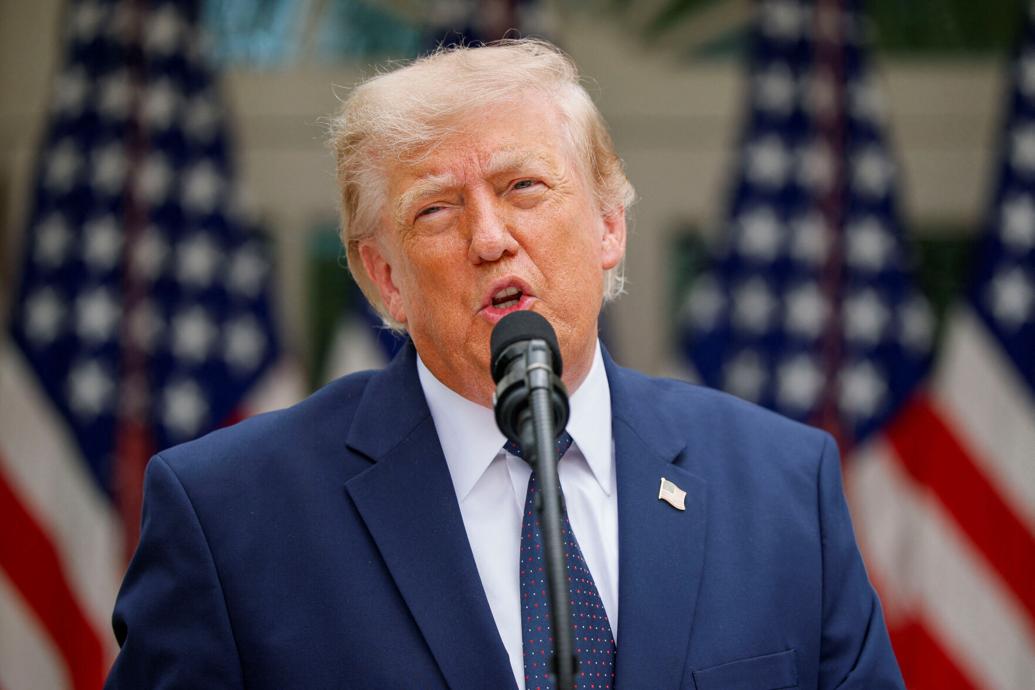
The illusion of peace in the Middle East didn't even last a full month. President Donald Trump just declared the June ceasefire with Iran completely dead. He didn't mince words either, warning that the US military has 1,000 missiles "locked and loaded" to hit Iran if it attempts to carry out threats against him or American personnel.
This isn't just standard political theater. The rhetorical escalation matches a massive flare-up in the Persian Gulf where US Central Command just finished two straight days of heavy airstrikes against Iranian targets. To squeeze the regime even harder, the US Treasury Department stepped in with a fresh round of crippling financial sanctions.
If you're trying to make sense of how a historic peace initiative dissolved into talk of total decimation in a matter of weeks, here is exactly what is going down right now.
The Financial Chokehold on Ali Ansari
The geopolitical chess match isn't just played with drones and missiles. It runs on cash. On July 10, 2026, the US Treasury's Office of Foreign Assets Control (OFAC) hit Dubai-based Iranian businessman Ali Ansari with severe economic sanctions.
Treasury officials don't view Ansari as a standard corporate executive. They labeled him a key financier for Iran's new Supreme Leader, Ayatollah Mojtaba Khamenei. According to US intelligence, Ansari institutionalized a massive embezzlement scheme within the Iranian regime, funneling public money into luxury international real estate portfolios and commercial assets across Europe and the Gulf.
While held in Ansari’s name via a Saint Kitts and Nevis holding company called Smart Global Limited, Washington asserts these funds directly enrich the Iranian ruling elite and the Islamic Revolutionary Guard Corps (IRGC).
Treasury Secretary Scott Bessent made the administration's goals clear. The US intends to freeze these overseas assets to keep them away from the regime. Alongside Ansari, the Treasury sanctioned three major Iranian currency exchange houses and front companies like Hong Kong-based CDM Trading Limited and UAE-based Naba Alzaki Raw Materials Trading LLC. These entities allegedly wash billions of dollars annually to bypass western banking restrictions.
Why the June Peace Deal Evaporated
This sudden economic hammer comes right after the collapse of the June 17, 2026 Memorandum of Understanding. That brief accord was supposed to pause the ongoing conflict, ease shipping bottlenecks, and offer temporary sanctions relief for Iranian oil.
It failed because Tehran went right back to attacking commercial shipping lanes.
Earlier this week, Iranian forces opened fire on three commercial oil tankers belonging to Qatar and Saudi Arabia in the vital Strait of Hormuz. For a global economy dependent on those shipping lanes, that was a red line. The US military responded immediately.
- July 7 Strikes: US Central Command hit roughly 80 targets, wiping out more than 60 IRGC small attack boats.
- July 8 Strikes: American forces struck another 90 targets, destroying coastal surveillance networks, radar installations, air defense arrays, and drone storage depots.
Tehran tried to retaliate by launching strikes against US military installations hosted in neighboring Gulf states, which triggered Trump’s public warning. The administration views the attacks on shipping as a blatant violation of Article 9 of the June accord, effectively tearing up the treaty.
What This Means for Global Energy and Security
Don't expect the tension to cool down anytime soon. By targeting the personal wealth of Mojtaba Khamenei's inner circle, Washington is trying to trigger internal instability within the Iranian leadership.
For everyday folks, the immediate fallout will likely show up at the gas pump. The temporary oil sanctions waiver granted under General License X is practically dead in the water ahead of its August expiration date. If the Strait of Hormuz remains an active warzone, global oil volatility will spike, forcing shipping companies to take longer, more expensive routes around Africa.
If you are tracking these developments for business or investment purposes, keep a close eye on shipping insurance premiums in the Gulf and daily operational briefings from US Central Command. The diplomatic window has shut, and both sides are dug in for a long, volatile confrontation.