The ink on the historic US-Iran memorandum of understanding wasn't even dry before the whole thing hit a wall.
On Friday, technical talks in Switzerland meant to hammer out a permanent end to the conflict were abruptly called off. US Vice President JD Vance delayed his flight. Iranian negotiators stayed put in Tehran. The reason? Lebanon. For a deeper dive into this area, we suggest: this related article.
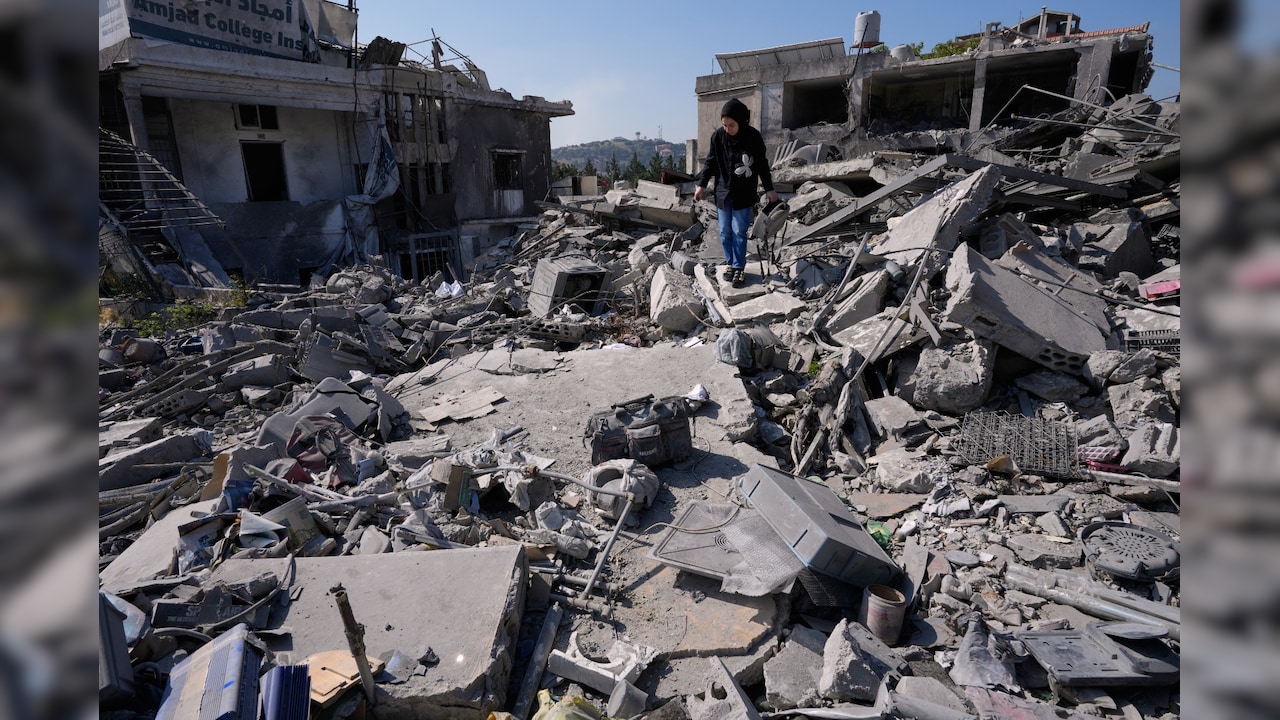
While Washington and Tehran celebrate a preliminary deal to end three months of brutal conflict, Israel and Hezbollah are still trading heavy blows on the ground. This isn't just a minor speed bump. It's a glaring reality check showing how incredibly fragile this agreement actually is. If you want to understand why the peace deal is already stalling, you have to look at the massive gap between diplomatic ink in Europe and the dirty reality on the ground in southern Lebanon.
The Swiss Disconnect
The plan seemed straightforward enough on paper. Following a breakthrough deal brokered earlier in the week, delegations from the US and Iran were scheduled to meet in the Swiss village of Bürgenstock. It was supposed to kick off a 60-day window to negotiate thorny issues like Iran's nuclear program and long-term regional stability. For additional information on this topic, comprehensive reporting can also be found on NPR.
Instead, the opening session was completely nixed.
Reports from Arabic-language network Al Mayadeen, which is closely tied to Hezbollah, made it clear that Tehran delayed its delegation due to ongoing Israeli military actions in Lebanon. Meanwhile, the White House downplayed the drama, claiming the logistics were just complicated and that Vance would travel eventually. But let's be honest. You don't delay a major peace summit just because of bad flight scheduling.
The underlying problem is that the US and Iran tried to solve a massive regional war while leaving one of the main combatants out of the room. Israel was never part of these bilateral talks. Unsurprisingly, Prime Minister Benjamin Netanyahu is not playing along.
Why Lebanon Blew Up the Talks
The memorandum of understanding explicitly calls for a "permanent termination" of hostilities and demands that Lebanon's territorial integrity be respected. Donald Trump promised a total ceasefire on all fronts.
But Israel has its own plans. Netanyahu just announced a newly minted "security zone" in southern Lebanon, covering hundreds of square miles. He vowed that Israeli troops will stay there as long as necessary.
On the very morning the Swiss talks were supposed to start, the violence flared dramatically:
- Hezbollah fighters killed four Israeli soldiers occupying southern Lebanon.
- Israel launched massive retaliatory airstrikes across the south and the Bekaa Valley, killing at least 18 people.
- Both sides blamed each other for violating a truce that barely exists.
Iran's top negotiator, Mohammad Bagher Ghalibaf, previously warned that any breach of the agreement would face a fierce response. With Israel refusing to pull back, Tehran feels it can't sit at the negotiating table without looking weak. Iran's Supreme Leader, Mojtaba Khamenei, made it clear that while he authorized the interim deal, negotiating doesn't mean giving in to the enemy's worldview.
What the Deal Actually Promises vs. Reality
It's a classic case of diplomatic overreach. The US wants to ease its economic pain, and Iran wants its frozen assets back. For a brief moment, it looked like it was working. Look at what happened right after the signing:
- US Central Command (CENTCOM) called off its naval blockade on Iranian ports.
- Iran's Persian Gulf Strait Authority announced it would waive transit fees for the Strait of Hormuz for 60 days.
- Shipping data showed a sudden spike to 25 commercial vessel crossings in a single day—the highest since April.
- US gas prices immediately dipped below $4 a gallon.
The markets are desperate for this deal to work. But shipping lanes and gas prices don't mean a thing if a wider ground war keeps raging. The US negotiating team, including special envoy Steve Witkoff, has been telling lawmakers that Iran is ready to let UN nuclear inspectors back in. But all that leverage evaporates if the Lebanon issue isn't resolved.
What Happens Next
Don't expect this peace deal to completely collapse tomorrow, but don't expect smooth sailing either. Washington is desperate for a win, and Iran desperately needs the financial relief tied to its unfrozen funds. They will try to reschedule the Swiss meetings.
However, you can't build a lasting peace in the Middle East by ignoring the forces fighting on the ground. Until the Trump administration figures out how to handle Netanyahu's security zone and Hezbollah's retaliatory strikes, these high-profile summits will keep hitting roadblocks.
Watch the troop movements in Nabatieh and the shipping data in Hormuz over the next few days. If the fighting in southern Lebanon intensifies, the 60-day clock on this peace deal might run out before the technical talks even begin.

:max_bytes(150000):strip_icc()/opera-garnier--paris--france--europe-173294974-5a2d8e5b4e4f7d0037eef37d.jpg)