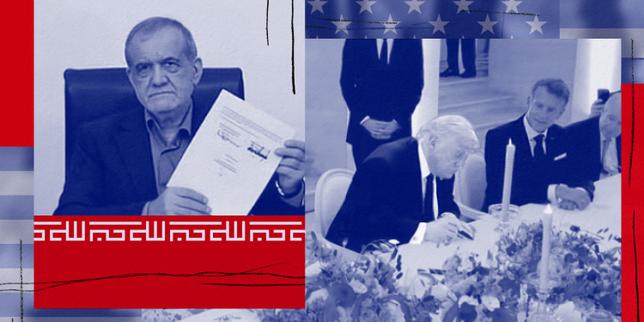
The ink is barely dry on the 14-point memorandum of understanding signed in Geneva, and everyone is already claiming victory. Donald Trump is celebrating the reopening of the Strait of Hormuz. Iranian President Masoud Pezeshkian has the backing of his Supreme National Security Council. Even regional mediators in Pakistan and Qatar are taking victory laps.
Don't buy the hype.
What Washington and Tehran just signed isn't a permanent peace accord. It's a high-stakes, 60-day pause button on a brutal war, and it's built on a foundation of deliberate ambiguity. By deferring the most explosive issues to a ticking clock, both sides have guaranteed a diplomatic trainwreck by the end of the summer. The deal looks good on a teleprompter, but the reality on the ground tells a completely different story.
The Strategic Mirage of the 60-Day Window
The core of this agreement relies on a two-phase structure. Phase one halts active military operations and gets the oil flowing. Phase two gives negotiators exactly 60 days to solve problems that have baffled diplomats for decades, namely Iran's nuclear program and the web of American sanctions.
It's a classic case of kicking the can down the road. The Center for Strategic and International Studies (CSIS) pointed out that the 2015 nuclear deal took two full years of intense negotiation to finalize. Expecting this administration and a battered Iranian regime to hammer out a permanent treaty in two months is pure fantasy.
Tehran knows Trump doesn't want to restart a hot military campaign right before the US midterm elections this November. Iranian negotiators are highly skilled at playing for time. They'll likely drag these technical talks out, demanding extension after extension while keeping their core nuclear infrastructure intact.
The Lebanon Loophole That Could Ruin Everything
If you want to know where this deal falls apart first, look at Beirut. The text of the memorandum states that the pact includes an immediate termination of military operations on all fronts, explicitly naming Lebanon. This implies Iran must rein in Hezbollah.
There's just one massive problem: Israel didn't sign this piece of paper.
MOU Drafting Room (Geneva) ──> Says "Peace in Lebanon"
Actual Ground Reality        ──> Israel occupies South Lebanon & refuses to leave
Prime Minister Benjamin Netanyahu flatly denied that Israel is bound by any ceasefire in Lebanon. Israel has zero intention of easing its military pressure on Hezbollah or withdrawing from the southern Lebanese territory it currently occupies.
This puts the Iranian leadership in an impossible position. If Israel keeps striking Hezbollah, does Iran sit on its hands to protect its new oil waivers? Hardliners in Tehran, already furious over a diplomatic process that followed a war that killed their former Supreme Leader, will see any inaction as an absolute betrayal. If Iran retaliates, the Geneva agreement dies on the spot.
Oil Waivers vs Nuclear Concessions
The economic trade-offs in this deal reveal who had the real leverage. Critics in Washington are already calling the agreement a total surrender, claiming it's far too generous to Tehran.
They have a point. The US Treasury is issuing immediate waivers for Iranian crude oil exports, petroleum products, and associated banking services. The administration defends this by saying Iran was already smuggling oil to China at a massive discount, so the sanctions weren't really working anyway.
But by granting these waivers upfront, Washington gave away its biggest piece of economic leverage before the real nuclear negotiations even started. Iran can now immediately begin refilling its financial coffers.
Yes, broader sanctions relief is technically tied to a strict schedule of nuclear down-blending (diluting their 440kg stockpile of highly enriched uranium). But Iran already offered to down-blend its uranium on home soil back in February, right before the war escalated. Keeping the uranium inside Iran under International Atomic Energy Agency (IAEA) supervision is actually a concession by the US, which previously demanded the material be shipped out of the country entirely.
The $300 Billion Reconstruction Fantasy
Vice President JD Vance recently outlined a plan for a $300 billion reconstruction fund to help rebuild Iran's shattered infrastructure. The catch? The United States isn't paying for it. Washington expects the Arab Gulf states to foot the bill.
Good luck with that.
While Gulf nations like Bahrain, Qatar, and Kuwait are relieved to see the Strait of Hormuz reopen—since they rely heavily on it for maritime exports—they aren't eager to write blank checks to Tehran. Iranian drones literally just severely damaged Qatar's Ras Laffan LNG processing facility during the conflict.
Gulf leaders might offer modest, tightly controlled investments, but they aren't going to fund a massive recovery package for a regime that spent the last year targeting their energy infrastructure.
What Happens Next
The immediate effects of the signing will feel like a win. You'll see global energy markets stabilize as shipping lanes reopen. A coalition of European naval forces, including assets from Italy, will deploy to clear mines and secure commercial shipping in the Strait of Hormuz.
But don't mistake temporary breathing room for a diplomatic breakthrough. Over the next few weeks, watch these three variables closely:
- The IAEA Inspections inside Iran: Watch for any friction regarding how and where the down-blending of the 440kg uranium stockpile occurs. Any delay here will stall the American sanctions relief schedule.
- Israeli Operations in Southern Lebanon: If Israel intensifies its campaign against Hezbollah, watch for fracturing within Iran's political leadership. Commander Esmail Qaani and the IRGC Quds Force have publicly backed the deal for now, but that support will vanish if their primary proxy is systematically dismantled.
- The Pace of Gulf Investment: Track whether the proposed $300 billion reconstruction fund materializes into actual investment deals or remains empty rhetoric from Washington.