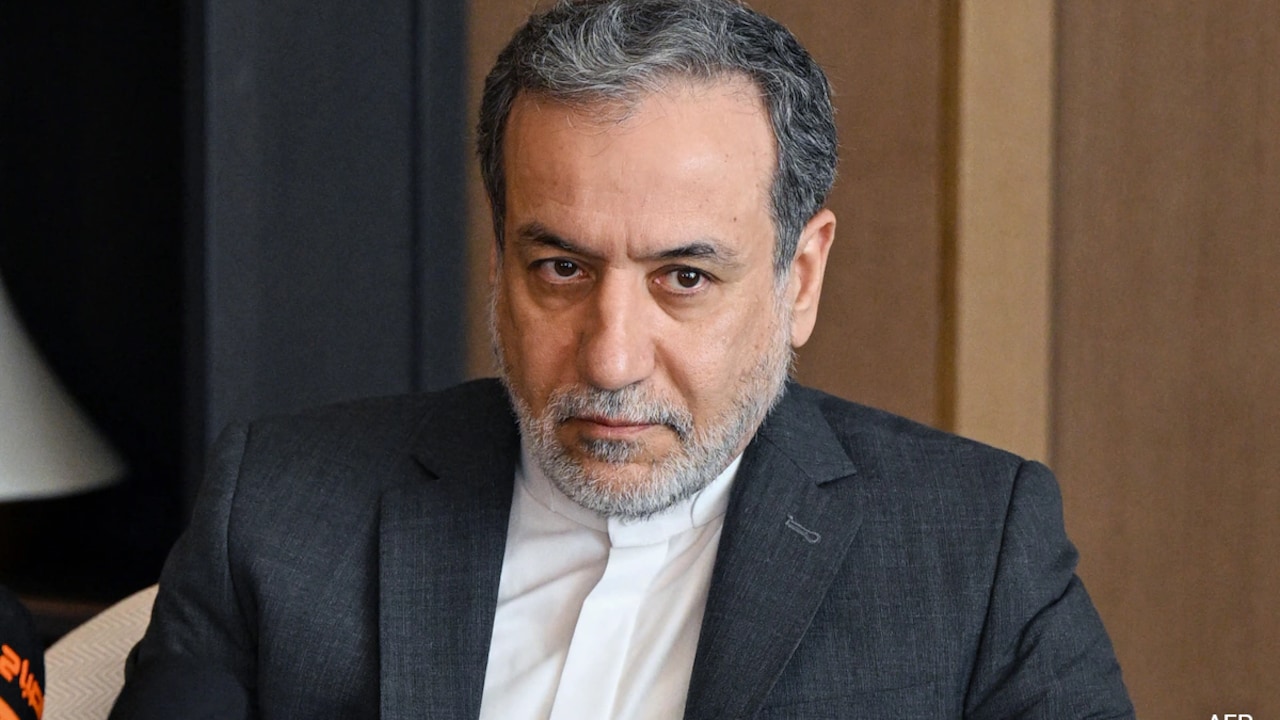
Diplomacy rarely happens under bright studio lights or across formal negotiating tables when two countries have spent months exchanging military strikes and economic blockades. Right now, the real work is happening behind closed doors via regional couriers. Iranian Foreign Minister Abbas Araghchi confirmed that indirect negotiations with Washington are running at a heavy pace, leaning on mediators like Qatar and Pakistan to keep a fragile diplomatic track alive.
If you're trying to figure out whether global oil routes will open up or if another military escalation is right around the corner, you have to look past the public posturing and examine what these backchannel talks actually involve.
Breaking Down the Indirect Track Between Tehran and Washington
The current standoff isn't happening face-to-face. Araghchi made it clear that Tehran has zero direct contact with American representatives on the calendar. Instead, messages bounce between capitals through trusted regional intermediaries. Qatari and Pakistani diplomats are shuttling proposals back and forth, trying to bridge a massive gap over regional security, economic sanctions, and maritime access.
The core issue centers on the vital Strait of Hormuz energy corridor. Iran shut down traffic through this critical shipping lane months ago following joint military strikes, sending global oil markets into a tailspin. Now, Tehran has floated a conditional proposal to reopen the strait, but the timeline and terms depend entirely on Washington's willingness to shift its stance.
Iranian officials claim they can clear the route within days if the United States agrees to specific concessions, which include rolling back recent rounds of harsh economic sanctions and scaling back American troop deployments across the region.
What Washington and Tehran Want Out of This Standoff
You cannot understand these talks without looking at the severe pressure both governments face on the domestic front.
In Washington, the administration is juggling persistent inflation concerns and midterm political pressures while keeping its military options open. President Trump has publicly kept his intentions veiled, warning that the U.S. still has specific nuclear and strategic targets in Iran it could hit if diplomacy falls through. At the same time, falling oil prices following initial optimism over the talks show just how desperate global markets are for a resolution.
Meanwhile, Iran is dealing with intense economic asphyxiation from months of Western sanctions. Iranian leadership insists they won't back down from their baseline requirements, warning that any sudden military aggression from the U.S. or its allies will trigger an immediate, comprehensive response. Supreme Leader Ayatollah Mojtaba Khamenei's advisors have made it clear that a resumption of fighting would carry no geographical limitations, signaling a vast theater for potential retaliation.
The Hurdles Standing in the Way of a Deal
Araghchi noted that while consultations are extremely active, reaching a formal agreement is far from guaranteed. Everything hinges on Washington's political rationality and whether the White House views honest diplomacy as a better path than further escalation.
Qatar's mediation efforts have managed to keep lines of communication open, preventing total miscalculation between the two militaries. Yet, every step forward is shadowed by fresh threats from both sides. Until Washington formally responds to Tehran's conditions on maritime transit and sanctions relief, these high-stakes indirect talks remain suspended in a dangerous grey zone between potential peace and renewed conflict.