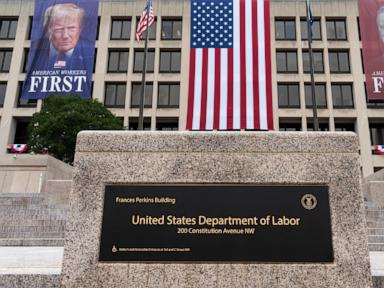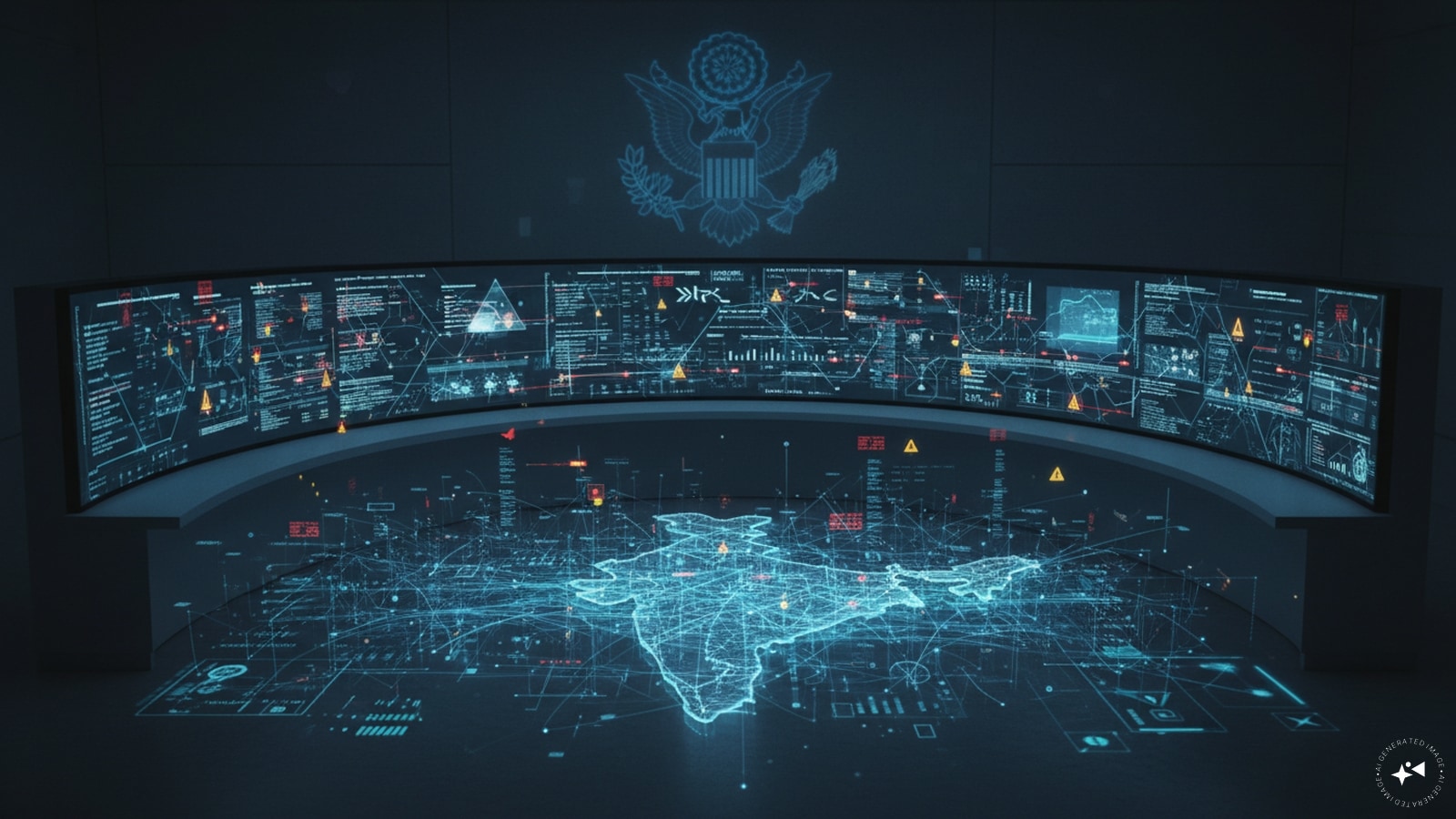
A bipartisan group of American lawmakers wants the federal government to crack down hard on the booming, shadowy trade of hack-for-hire services. Democratic Senators Ron Wyden and Sheldon Whitehouse, alongside Republican Representative Pat Harrigan, recently sent a formal letter to Commerce Secretary Howard Lutnick. They're pushing the Trump administration to place three India-based technology companies—BellTroX, CyberRoot, and Sunkissed Organic Farms (formerly known as Appin Technology)—onto the Commerce Department's restrictive Entity List.
If you think this is just another routine diplomatic dispute over cyber espionage, look closer. This move targets an underground ecosystem that has spent over fifteen years picking targets inside the United States, stealing corporate data, and allegedly trying to scrub investigative reports off the internet through foreign lawsuits. Meanwhile, you can read similar stories here: Why $107 Oil And Skyrocketing Bond Yields Are Breaking Your Budget Right Now.
The Core Allegations Against the Firms
The lawmakers didn't just pull these names out of a hat. Their push relies heavily on prior investigative reporting from outlets like Reuters and deep-dive technical findings from research groups like The Citizen Lab. According to the congressional letter, these three entities operated as commercial cyber-mercenary outfits.
Their operational scope reads like a corporate thriller. The firms are accused of running targeted digital campaigns against private equity companies, major pharmaceutical corporations, and over a thousand attorneys scattered across prominent American law firms. Why target lawyers? Investigators point to a disturbing motive: stealing sensitive legal data to manipulate outcomes in high-stakes commercial litigation. To understand the full picture, check out the recent article by CNBC.
When you're fighting a billion-dollar lawsuit, having your opponent's confidential strategy and communication logs in advance changes the entire chessboard. That's the core of the data theft accusation. It isn't just about stealing passwords; it's about weaponizing stolen information for financial and legal leverage.
The Qatar Connection and Global Interference
The scandal goes beyond domestic corporate battles. The lawmakers pointed to evidence suggesting that some of these cyber operations were executed at the behest of foreign clients, including operations tied to Qatar. Specifically, investigators flagged campaigns directed against critics of Qatar's World Cup bid, as well as family members of prominent American political figures like former Republican House Intelligence Chairman Mike Rogers.
When foreign governments or wealthy private entities can outsource digital break-ins to commercial firms in places like India, national borders stop mattering. Accountability gets buried under layers of subcontractors, shell companies, and plausible deniability.
Battling the Media Through Global Lawfare
What makes this situation uniquely aggressive is what the senators call "global lawfare." Beyond stealing data, these firms and their associates allegedly tried to bury the truth about their operations by abusing foreign legal systems.
They launched legal challenges and threats against tech and media organizations—including major names like Google, Meta, Microsoft, and The New Yorker—to force global takedowns of investigative reports. It's a calculated strategy. If you can't disprove the reporting, you sue the platforms hosting it until they take it down, effectively keeping the public in the dark about who is hacking American infrastructure.
What the Entity List Restriction Actually Does
If Secretary Lutnick acts on this bipartisan request, what happens next?
Being added to the Commerce Department's Entity List isn't a criminal indictment, but it hits these companies where it hurts: their infrastructure. It restricts them from buying American-origin software, cloud hosting solutions, and specialized cybersecurity tools without a hard-to-get government license.
For firms operating in the digital espionage sector, losing seamless access to Western cloud infrastructure and software tools throws a massive wrench into their daily operations. It forces them to scramble for alternative, often inferior, technology stacks.
The Commerce Department hasn't officially issued its verdict yet. But the message from Capitol Hill is unmistakable. The era of operating a cross-border hack-for-hire business with impunity is facing a reckoning.
If you run a business or manage corporate legal risk, keep a close eye on how the Department handles supply chain access and third-party vendor vetting. Cyber threats don't always arrive via a direct state-sponsored attack; sometimes, they're outsourced to the highest bidder. Audit your digital vendors, secure your legal communications channels, and assume that your opposition is looking for shortcuts.