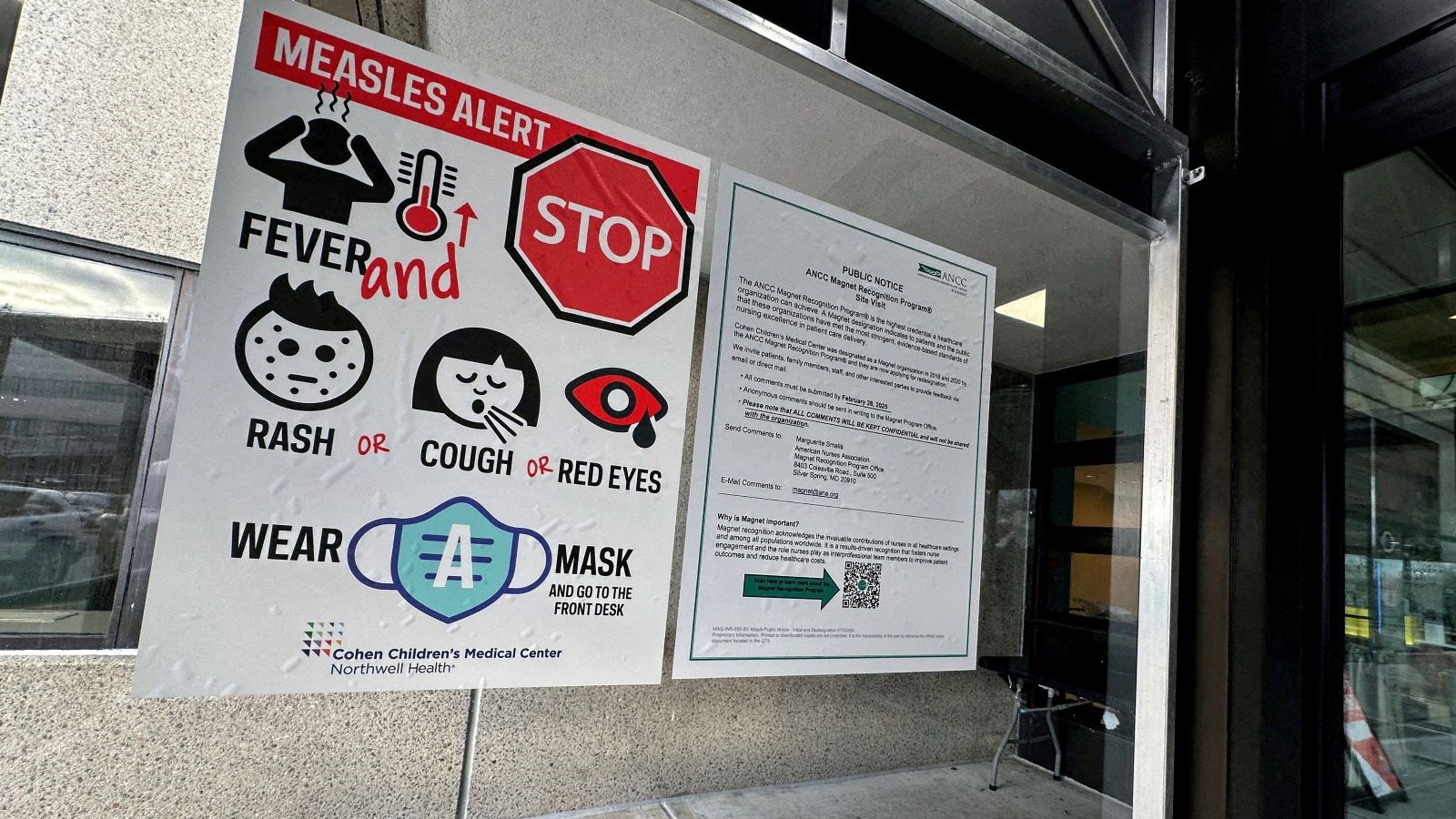
The United States just gave up a public health shield it held for 26 years. After continuous measles transmission crossed the 12-month mark following an outbreak that started on January 20, 2025, the Pan American Health Organization confirmed in November 2026 that the country no longer meets the threshold for measles elimination.
That headline surprises a lot of people. Honestly, many folks still picture measles as a scratchy rash from a black-and-white TV sitcom rather than a fast-moving airborne threat. Yet through November 13, 2026, the CDC recorded 5,412 confirmed measles cases across 46 states and Washington, D.C., along with 10 reported deaths—the highest annual death toll in more than three decades.
Losing measles elimination status doesn't mean the virus vanishes overnight or that fines suddenly hit local clinics. It means endemic spread has returned after a full year of unbroken transmission. Because measles is one of the most contagious respiratory viruses we know, tiny cracks in immunity turn into outbreaks fast.
How Falling Vaccination Rates Reopened the Door
When the U.S. achieved elimination in 2000, school-age MMR coverage cleared 95%. You need roughly that level of protection to choke off transmission before a single imported case sparks a chain reaction.
By the 2025–2026 school year, national MMR coverage among school-age kids slid to 92.4%. Even worse, 39 states sat below that 95% target.
National averages can look deceptively calm. A state might report a decent overall percentage while hiding neighborhoods, towns, or school districts where immunization rates sit much lower. Measles doesn't care about statewide averages; it hunts for clusters of unvaccinated people standing next to each other.
In my experience watching outbreak responses unfold, parents rarely make these choices out of malice. Most are trying to protect their kids. Confusion builds when old rumors—like the long-discredited claim linking MMR shots to autism—get repeated alongside real questions about school mandates, access to pediatric care, or shifting public messaging. A recent survey from the Annenberg Public Policy Center found that plenty of Americans still underestimate how severe measles can be in children and hold outdated myths about the vaccine.
Why "Elimination" Never Meant Zero Cases
People get tripped up by the word elimination all the time. It doesn't mean zero cases worldwide or even zero cases in the U.S.
Travelers bring the virus in. Unvaccinated pockets catch it. Health departments stamp out chains of spread before they run continuously for a full year. Once a strain circulates without interruption for 12 consecutive months, public health officials conclude that endemic transmission is back.
Think of a dry forest floor. A spark from a campfire can land harmlessly if the woods are damp. When immunization rates slip, the woods dry out, and a single spark travels much farther.
What Makes Measles So Hard to Stop Once It Spreads
Measles hangs in the air for up to two hours after an infected person leaves a room. Nine out of ten susceptible people exposed to the virus will catch it.
Before the signature rash even shows up, someone can feel like they have a bad cold or flu—high fever, cough, runny nose, and red, watery eyes—while already spreading virus to others. Babies under a year old, who are too young for their routine first MMR dose at 12 to 15 months, end up exposed in waiting rooms, grocery aisles, and family gatherings. People with weakened immune systems face steep risks too.
Diagnostic delays add friction on the ground. Waiting days or up to two weeks for confirmatory lab results slows down contact tracing and isolation when local health departments are already stretched thin. As epidemiologists like Amira Roess have pointed out, public health responses only move as fast as local staffing, lab capacity, and community trust allow.
There's also plenty of debate over blame. Some health officials and commentators point to long-standing drops in routine childhood vaccinations that started years ago, while critics argue that mixed signals from federal health leadership and rising vaccine skepticism have made containment harder. Where I stand is straightforward: political finger-pointing won't stop a virus that moves through aerosols. Consistent community immunization and fast local public health action do.
Can the U.S. Win Back Measles Elimination Status?
Yes. Losing elimination status is a serious setback, not a permanent sentence.
To regain verification, the U.S. has to interrupt continuous endemic transmission for at least 12 months and show strong surveillance and vaccination systems. Other countries have pulled it off. After losing elimination status in 2019 amid sustained transmission, Brazil interrupted endemic spread by 2022 and regained its measles-free verification in November 2024. The broader Region of the Americas also proved it could bounce back once, reclaiming regional elimination in 2024 before slipping again in late 2025 after prolonged transmission in Canada, followed by status losses in Bolivia, Mexico, and the U.S. in 2026.
You can read more about the criteria and regional context directly from the Pan American Health Organization and the Annenberg Public Policy Center.
Getting back there takes unglamorous work. Clinics need easy walk-in and catch-up hours. Pediatricians and local nurses need time to answer questions without rushing families out the door. State and local health departments need steady funding so contact tracers aren't scrambling from scratch every time a cluster pops up.
Practical Steps You Can Take Right Now
- Check your family's MMR records today. Look up vaccine dates for yourself and your kids through your pediatrician, primary care clinic, or state immunization registry. Standard guidance calls for two MMR doses for children (typically at 12–15 months and 4–6 years), and two doses are generally recommended for adults at higher risk, such as healthcare workers, college students, and international travelers.
- Ask about early or catch-up timing if you're traveling or living near an outbreak. If you have a baby between 6 and 11 months old and live in an outbreak zone or plan international travel, ask a pediatrician whether an early dose makes sense—keeping in mind that an early dose doesn't replace the two routine doses starting at 12 months.
- Know what to do if symptoms start. If you or your child develop a high fever, cough, runny nose, red eyes, or a blotchy rash after a possible exposure, call ahead before walking into an urgent care clinic or emergency room. Calling first lets staff isolate the patient safely and protect infants and immunocompromised visitors in the waiting room.
- Talk directly with a clinician you trust. If you have lingering questions about side effects, ingredients, or prior myths, bring specific questions to a doctor or nurse rather than sorting through conflicting social media posts alone.
The virus hasn't changed its playbook. It still looks for gaps in protection—and right now, there are plenty of gaps to fill.