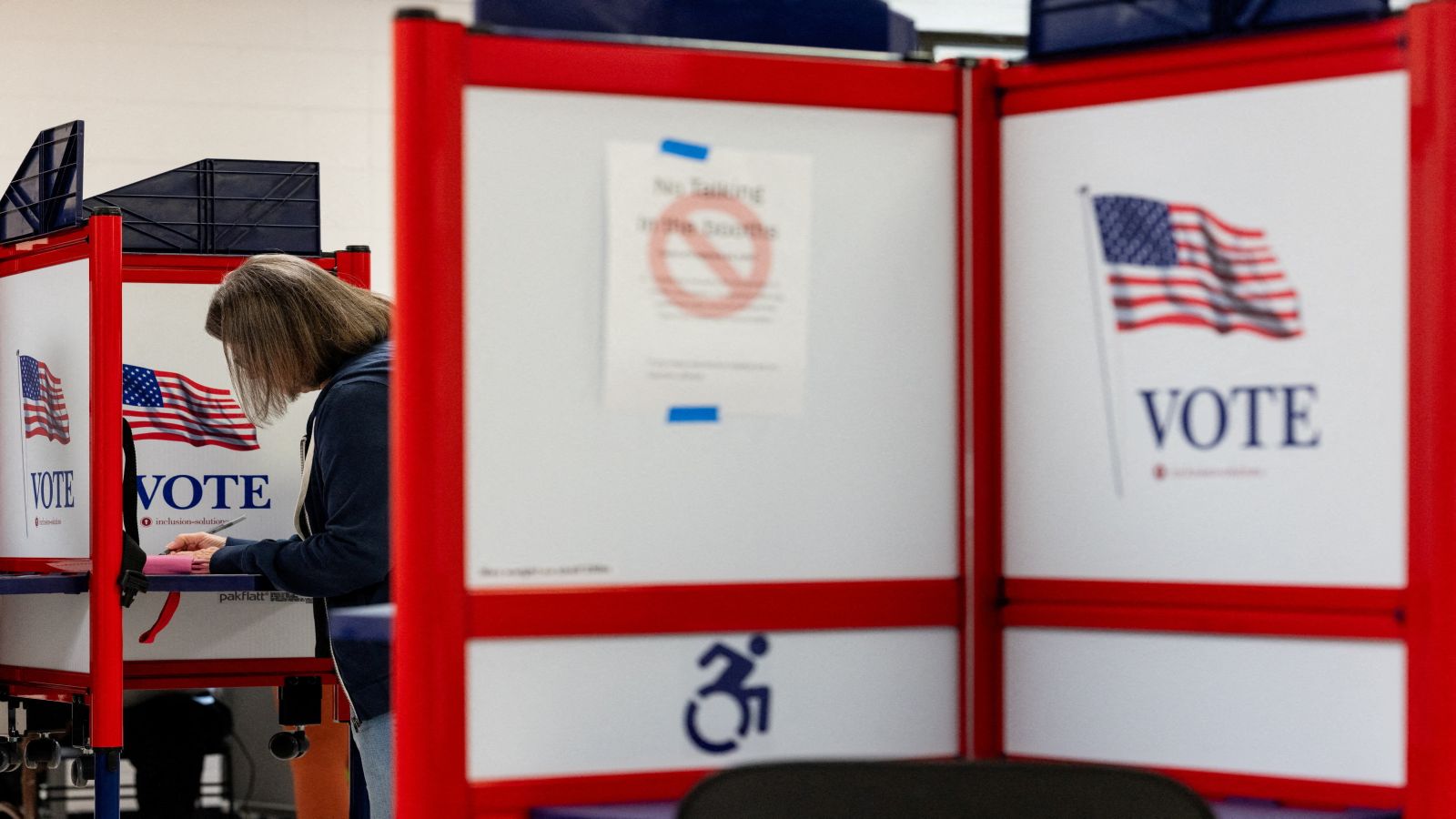
Everybody loves to obsess over who sits in the White House, but American politics rarely works like a monarchy. The real policy machinery in Washington grinds through Capitol Hill. When midterm elections roll around, they act as an immediate check on executive power, and the ripples hit Delhi faster than you can say trade deficit. If you think congressional shifts don't affect your investments, your tech job, or energy imports in India, you're missing the entire plot.
Let's break down why these legislative battles actually move the needle for the Indian economy, straying far past the standard political punditry.
The Washington Gridlock Factor and Global Markets
When a presidential administration loses control of the House or Senate during midterms, Washington usually descends into legislative gridlock. While Americans might hate the standstill, global investors watch it like hawks because political friction often spells volatility for emerging markets.
A divided Congress means endless budget showdowns, threats of government shutdowns, and bitter floor fights over federal spending. When uncertainty spikes in the US, institutional money tends to flee riskier assets. Foreign portfolio investors pull capital out of Indian equities to park it in safe-haven US bonds. You'll see sudden market corrections on Dalal Street not because Indian corporate earnings dropped, but because Wall Street caught a cold.
Beyond short-term stock jitters, a deadlocked Congress can stall major trade initiatives. If the ruling party loses its majority, bilateral agreements involving tech sharing, energy cooperation, or manufacturing investments face intense scrutiny from opposition lawmakers looking to score political points.
Energy Prices and the Oil Equation
India imports the vast majority of its crude oil, making global energy prices a critical driver of our domestic inflation and fiscal health. US domestic energy policy, heavily influenced by which party holds sway in Congress, plays a massive role here.
When legislators push for stricter domestic drilling curbs or tighter environmental regulations, oil supplies tighten globally. Conversely, if fossil fuel advocates gain ground, production numbers shift, keeping downward pressure on global Brent crude. For Indian oil marketing companies, even a minor swing in crude benchmarks translates directly into retail fuel costs, transport expenses, and ultimately, your grocery bill.
Tech Outsourcing, IT Services, and the Visa Maze
If you work in India's massive IT sector, US congressional politics directly impact your career trajectory. Lawmakers from both sides of the aisle love to grandstand on immigration and tech outsourcing.
When a political party faces pressure from domestic labor groups, they often target H-1B visa programs and offshore outsourcing contracts with punitive taxes or stricter compliance requirements. While bipartisan consensus generally favors strong strategic ties with India, localized protectionist rhetoric spikes during election cycles. Legislative changes to fee structures or visa caps can squeeze margins for top Indian IT firms based in Bengaluru, Pune, and Hyderabad, forcing them to accelerate local hiring inside the US.
Trade Realities and Strategic Alignment
Geopolitics rarely shifts overnight, but trade levers change rapidly depending on committee chairs in Congress. Key committees handling international trade can stall or accelerate tariffs, agricultural market access, and defense tech transfers.
India's strategic positioning within regional security frameworks relies heavily on consistent US backing. If congressional leaders start demanding rigid reciprocity on trade tariffs, Indian exporters face stiffer hurdles. It's not about an outright diplomatic fallout—both Washington and New Delhi agree on countering shared security challenges—but the devil lives in the regulatory details of trade compliance.
Keep an eye on congressional committee assignments and budget allocations rather than just cable news headlines. When American lawmakers start debating federal contracts and tariff adjustments, look at your portfolio exposure and sector allocations before the sentiment shifts downstream.