Political shifts in Washington rarely stay inside the Beltway. When congress turns upside down, agricultural markets halfway across the globe feel the impact almost immediately. American farmers have spent years bearing the brunt of aggressive retaliatory tariffs, watching global market share slip away to South American competitors while waiting for trade relief that never seemed to arrive.
The recent midterm election results in the United States signal a massive turning point for global trade policy. With Democrats securing a commanding position in Congress—picking up pivotal seats across key agricultural hubs like Iowa, Ohio, Texas, and Kansas—the political calculus around aggressive tariffs is shifting fast.
American farmers are watching closely. The key question isn't just who holds the gavel in Capitol Hill, but whether a new legislative majority can force a pivot in trade policy with Beijing.
The Real Cost of Tariff Warfare on US Agriculture
Trade conflicts don't happen in a vacuum. When Washington deployed unilateral tariffs on Chinese imports, Beijing retaliated against America's most vulnerable economic sector: agriculture.
Soybean growers took the heaviest hit. Between June and October 2025, Chinese buyers effectively froze purchases of US soybeans, turning instead to Brazilian and Argentine suppliers to fill the gap. Data from the US Department of Agriculture reveals the sobering scope of that drop: American soybean exports to China plummeted by 44.9 percent down to 1.24 million metric tons during the 2025-26 cycle.
That wasn't just a statistical decline. It meant empty silos across the Midwest, slashed profit margins for family farms, and mounting operational debt for growers who relied on China's massive buying power.
Beijing demonstrated that it could re-engineer its supply chains when pushed. Even when buying resumed in late 2025, China kept high duty rates active on commercial soybean shipments, reminding American producers how fragile their access to the world's largest consumer market really is.
A Changing Congress and Pressure on Trade Barriers
The congressional election map tells a clear story. Rural and agricultural districts where tariffs were once defended as necessary pain have flipped. Newly elected lawmakers aren't waiting around to voice their opposition to broad import duties.
Newly elected leaders have voiced direct opposition to existing tariff structures. Texas Senator James Talarico put it plainly, calling for an immediate unwinding of broad tariffs that inflate costs across everyday goods, automotive components, and agricultural inputs alike.
This legislative friction creates real leverage. Congress holds constitutional authority over foreign commerce, and a unified House and Senate majority can restrict executive overreach on trade actions.
Here are the key legislative mechanisms now coming into play:
- Bipartisan tariff oversight bills designed to require congressional consent for national security trade penalties.
- Direct farm bill adjustments aimed at offsetting retaliatory damages through targeted export market development.
- Targeted pressure on trade representatives to prioritize bilateral agricultural agreements during upcoming negotiations.
When lawmakers from farm states take key committee seats, trade relief moves from a secondary talking point to a legislative priority.
China's Strategy and the Soybean Dilemma
China faces its own internal economic pressures. Beijing needs affordable grain, soybean meal for livestock feed, and animal protein to stabilize domestic food prices. High tariffs on American commodities hurt Chinese buyers almost as much as they hurt American sellers.
Beijing laid out broad tariff reduction frameworks targeting grain, soybean products, and animal proteins. Commercial soybeans were initially left off that specific reduction list, but market analysts view the move as a trial balloon for wider de-escalation.
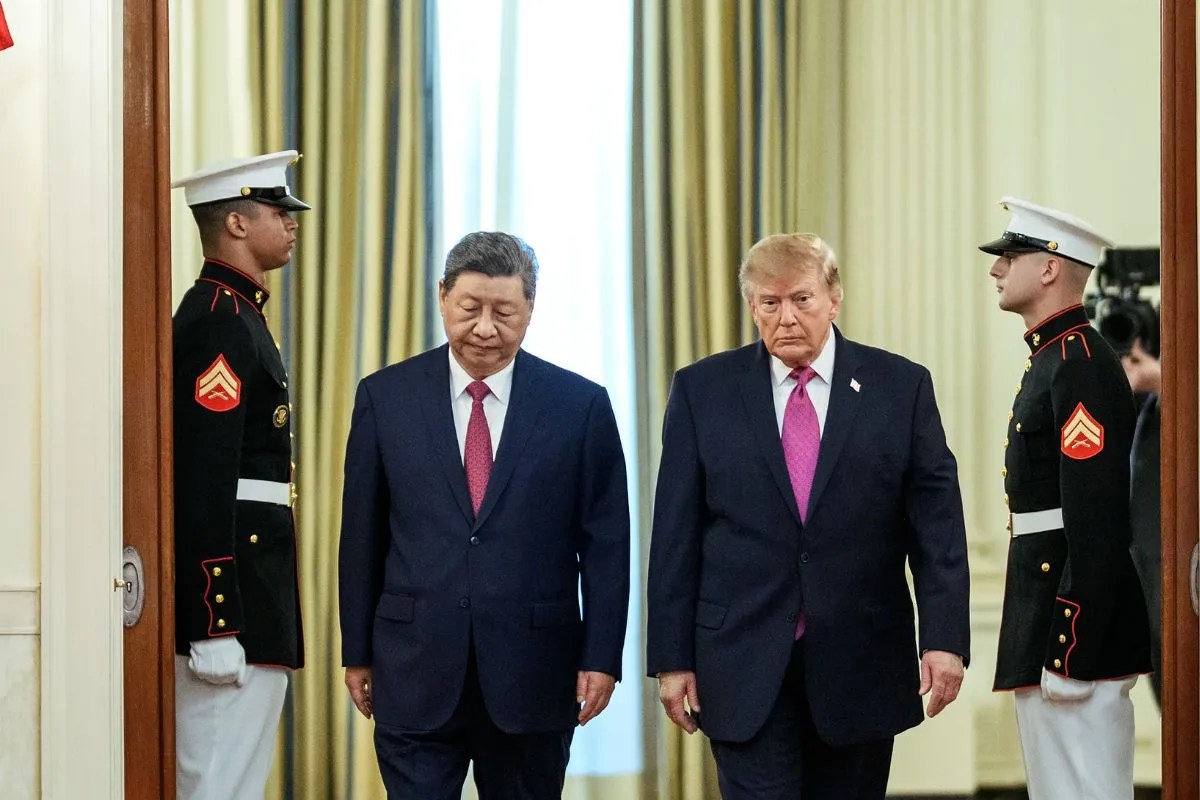
China's leadership knows that maintaining high duties indefinitely risks driving domestic food inflation. When bilateral discussions took place between President Donald Trump and President Xi Jinping, agricultural purchasing commitments sat right at the center of the agenda.
With Washington signal-shifting toward trade normalization, Beijing has every incentive to lower retaliatory barriers on commercial soybeans, sorghum, and pork to secure cheaper raw inputs.
What Farmers Should Realistically Expect Next
A shift in congressional power creates momentum, but trade policy doesn't transform overnight. Tariffs put in place over several years require deliberate negotiation to unravel safely.
For growers planning their crop rotations and equipment financing for the coming season, realistic expectations matter far more than political headlines.
- Short-Term Purchasing Blips: China will likely increase spot purchases of US soybeans and corn to signal goodwill, but structural tariff removal will take step-by-step negotiations.
- South American Competition Persists: Brazilian exporters expanded infrastructure during the tariff war. Even if duties fall to zero, American exporters won't automatically regain 100 percent of their lost market share.
- Input Cost Relief: Unwinding tariffs on steel, machinery components, and fertilizer inputs will help lower overall farm operating expenses, even before export revenues fully bounce back.
The coming months will show whether Washington and Beijing can turn political changes into concrete trade agreements. Farmers don't need promises of future deal-making—they need open markets, predictable duties, and buyers ready to sign purchase orders. The political shift in Washington has opened the door; now trade negotiators actually have to walk through it.