Wars cost money. Lots of it. And right now, the United States is finding out that even a superpower's military checkbook has hard limits.
When people talk about defense spending, they usually picture endless streams of cash flowing into top-secret weapon programs without any accountability. But recent intelligence and political shifts tell a totally different story. The ongoing military engagements involving Iran have drained crucial weapons stockpiles faster than factories can replace them, forcing defense planners to rethink their entire financial blueprint. For a more detailed analysis into this area, we suggest: this related article.
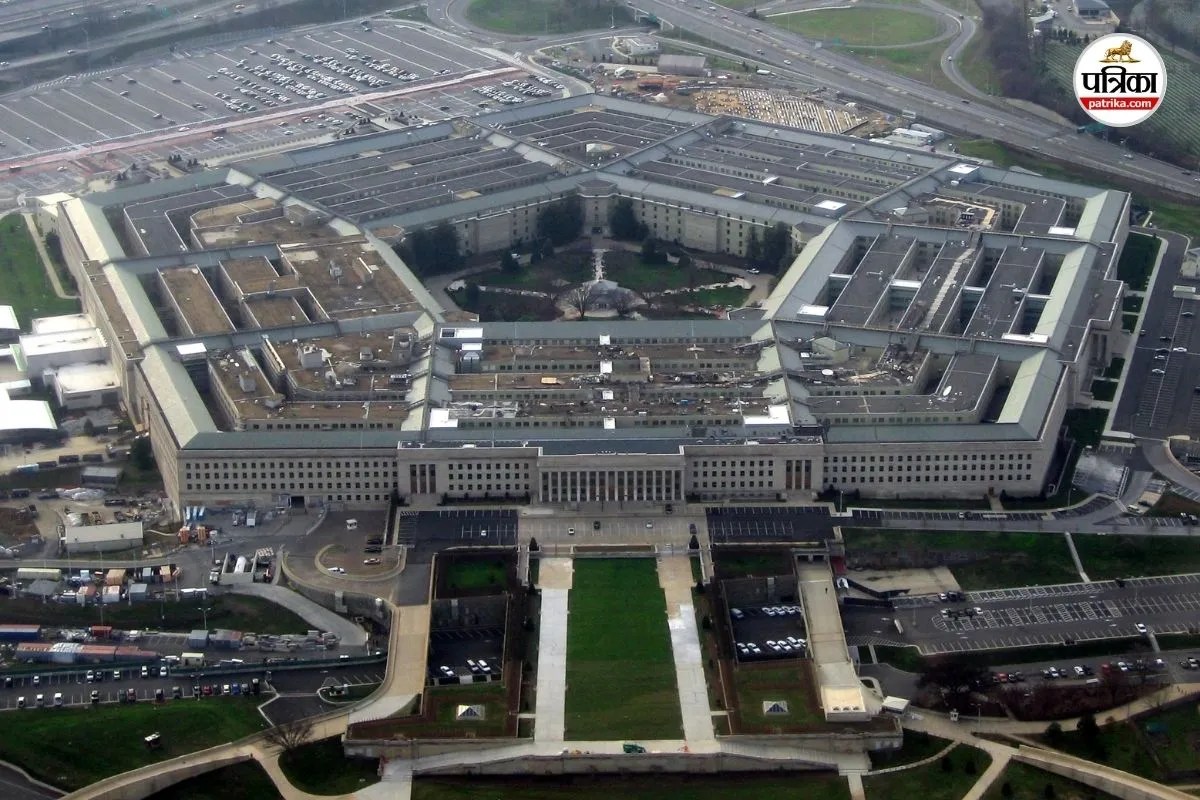
Instead of moving forward with Donald Trump's ambitious 1.5 trillion dollar defense spending proposal, the Pentagon is quietly eyeing a steep drop down to a 1.1 trillion dollar ceiling. That is a massive 400 billion dollar cut. Why is this happening? And what does it mean for global security moving forward? Let's break down the reality behind the headlines.
The True Cost of Modern Conflict
Modern warfare isn't just about boots on the ground anymore. It is a high-tech battle of attrition fought with expensive precision-guided munitions, air defense interceptors, and advanced cruise missiles. Every time a threat is neutralized in the Middle East, millions of dollars vanish into thin air within seconds. For further context on this issue, comprehensive analysis can also be found on USA Today.
According to reports from Politico and defense sector analyses, the US military has burned through at least 47 billion dollars in direct expenses during the Iran conflict alone. Out of that total, a staggering 29 billion dollars went straight toward consuming ammunition, missiles, and high-precision strike weapons.
You cannot fight a high-intensity campaign with empty shelves. The problem isn't that the military doesn't want to buy more gear; it is that defense contractors are struggling to keep up with wartime consumption rates. When stockpiles empty out this quickly, replenishing them becomes a logistical nightmare.
Why Congress is Pushing Back
You might wonder how a superpower cuts 400 billion dollars from defense during an active conflict. The answer comes down to internal political friction and the harsh realities of the national debt.
The initial strategy relied on Republican-controlled congressional backing to secure massive funding injections. But Capitol Hill isn't a rubber stamp. Growing concerns over the national deficit and ballooning fiscal obligations have sparked deep divisions among conservative lawmakers. Not everyone is on board with writing a blank check.
This internal pushback created a severe legislative bottleneck. Lawmakers realize that throwing more money at the problem won't instantly manufacture missiles that take months to build. Facing a potential stalemate, defense committees and Pentagon officials began scaling back expectations, shifting focus to a leaner 1.1 trillion dollar baseline.
What a 400 Billion Dollar Cut Actually Does
Cutting hundreds of billions from defense doesn't mean the military goes broke tomorrow, but it does choke future capabilities.
- Delayed Modernization: Next-generation defense programs and R&D pipelines face severe slowdowns.
- Stockpile Recovery Stalls: Refilling depleted missile inventories and ammunition reserves will take years longer than planned.
- Production Bottlenecks: Defense contractors will find it much harder to scale up manufacturing lines without guaranteed multi-year funding commitments.
When budgets shrink abruptly while operational demands stay high, something has to give. In this case, long-term strategic readiness is taking the hit to pay for immediate wartime consumption.
The Broader Geopolitical Impact
Military strategists hate being caught short-handed. When Washington signals financial pullback or internal division, adversaries notice. Maintaining global deterrence requires visible, undeniable strength and deep reserves.
If the defense establishment has to tighten its belt by 400 billion dollars while simultaneously trying to restock depleted arsenals, military planners will have to make tough choices about where to deploy assets. You simply cannot project maximum power everywhere at once when your supply chains are strained and your budget is shrinking.
The takeaway here is simple. Wars are won by logistics, industrial capacity, and sustainable funding—not just raw firepower. Until the US defense industrial base figures out how to produce high-end munitions faster and cheaper, every major conflict will bring the system closer to its breaking point.
Assess your assumptions about superpower economics. The next time you hear about trillion-dollar defense bills, look past the initial numbers and check what is actually left in the warehouse.