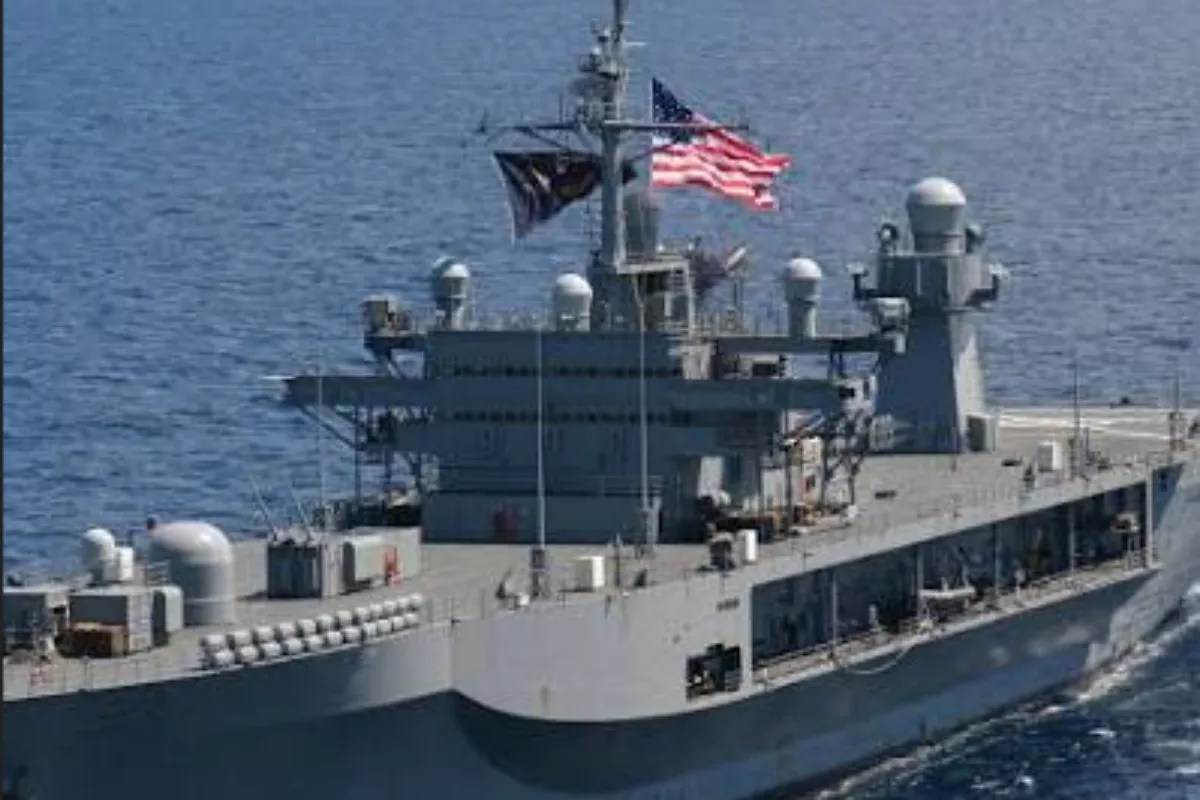
Geopolitical pressure points rarely stay quiet for long. Right now, the ongoing US naval blockade targeting Iranian ports is reshaping maritime logistics, cutting off oil revenues, and forcing commercial vessels into risky detours. If you think this is just another diplomatic standoff playing out on cable news, look closer at the shipping manifests and maritime tracking data.
Why Washington Tightened the Naval Noose
The strategic squeeze didn't happen in a vacuum. Following the collapse of diplomatic arrangements and failed peace talks, US Central Command (CENTCOM) ramped up enforcement across the Persian Gulf and the Gulf of Oman. The objective is straightforward: intercept, board, and redirect commercial vessels trying to access Iranian ports.
Recent operational updates from military authorities paint a stark picture. CENTCOM figures show that American forces have redirected dozens of commercial vessels, boarded ships suspected of violating restrictions, and disabled non-compliant transport. Aircraft like the US Air Force F-16 fighters and P-8 Poseidon patrol planes maintain constant aerial surveillance, ensuring that cargo ships cannot slip past the security perimeter under the cover of darkness.
The Economic Toll on Tehran
You have to look at the numbers to understand the severity of this operation. Economic isolation is the core weapon here. Estimates from Washington indicate that restrictions on Iranian maritime trade cost the state hundreds of millions of dollars daily during peak enforcement phases, draining billions from oil exports.
Tehran hasn't stayed silent. Iranian officials continue to point fingers at foreign military aggression, arguing that safety hazards in regional waterways stem directly from the American naval presence and allied maneuvers. Meanwhile, diplomatic channels remain fragile. Efforts to draft alternative navigation frameworks or secure transit corridors via regional partners like Oman face constant hurdles because external enforcement actions keep altering the risk calculus on the water.
Real Risks for Commercial Shippers
If you operate vessels in or near the Middle East, standard shipping routes carry unprecedented liability. Insurance premiums for hulls transiting near the Strait of Hormuz have skyrocketed. Shipowners face an impossible choice: comply with military redirection orders or risk direct interception.
When a warship hails a cargo carrier, hesitation isn't an option. Captains must navigate conflicting directives from regional states while keeping crew safety intact. Secondary economic fallout spreads further as regional ports absorb diverted traffic, causing bottlenecks that ripple through international supply chains.
What Comes Next
The standoff shows no signs of a quick resolution. As long as diplomatic breakthroughs stall, military commands will maintain tight oversight of Iranian coastal waters. Keep a close eye on real-time maritime tracking data rather than official press releases if you want to gauge the true flow of goods in the region. Monitor insurance rate adjustments and alternative port developments in neighboring countries, because that's where the actual economic adaptation is happening.
US Reimposes Naval Blockade After Iran's Attack On Ships In Hormuz Escalates Tensions
Watch this video to see how the recent reimposition of the US naval blockade and escalating maritime incidents in the Strait of Hormuz are changing regional security dynamics.
http://googleusercontent.com/youtube_content/1