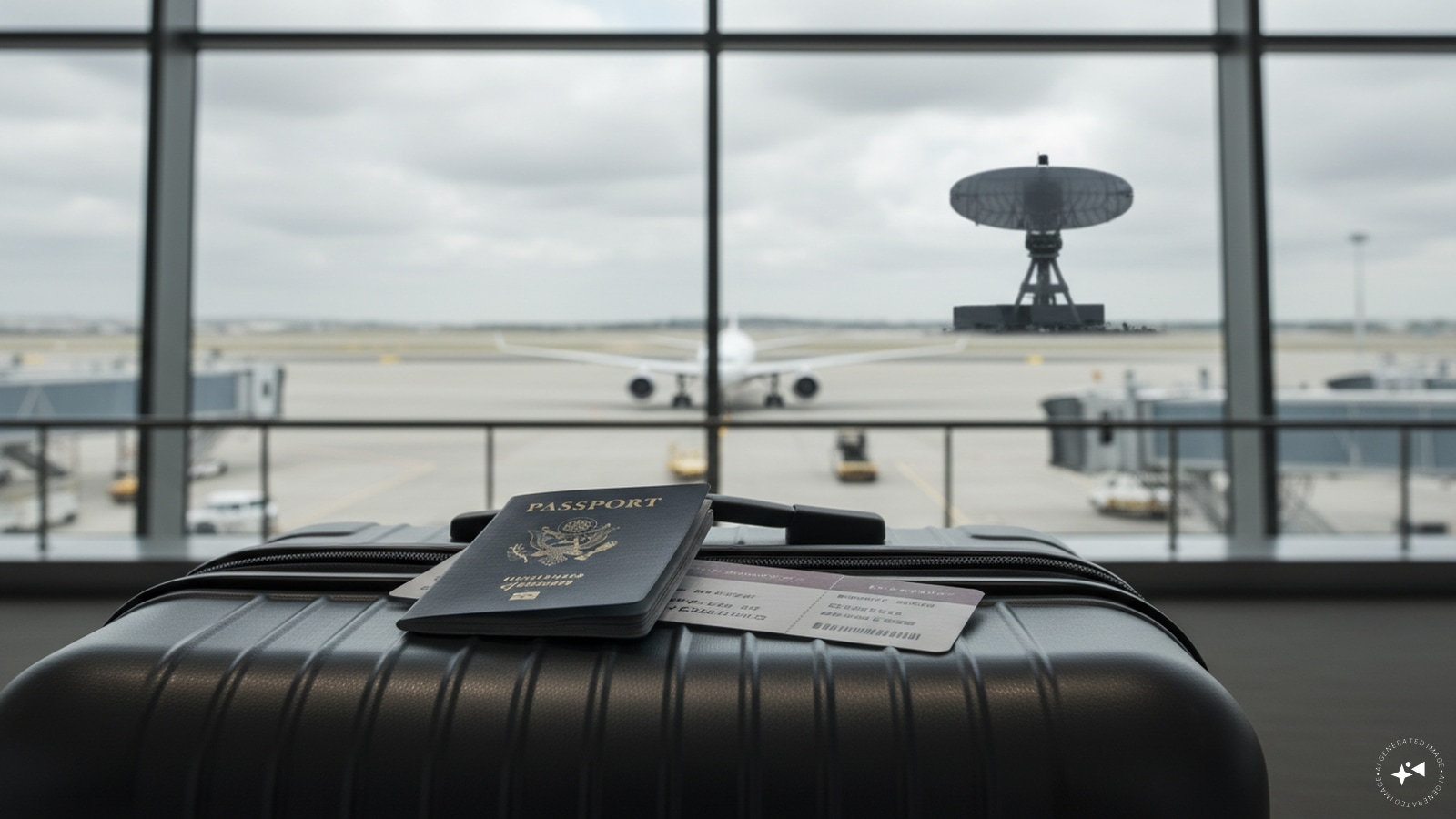
Getting clearance to board a flight in Saudi Arabia isn't as straightforward as it used to be for American government employees. Following a sharp spike in regional hostilities and missile threats from Iran-backed Houthi forces, the United States government has clamped down hard on its internal travel protocols.
If you're wondering why these rules changed so abruptly, it comes down to a direct operational response against escalating drone and missile strikes targeting civilian and critical infrastructure across the kingdom. Let's break down what's actually happening on the ground and why Washington is keeping such a tight leash on its staff.
The New Clearance Mandate for US Personnel
Under the latest security directives issued by the US Mission, government employees stationed in the region can't just book a commercial flight on a whim. Every single US government worker must now secure explicit authorization from the Chief of Mission before stepping foot into any airport terminal across the country.
This isn't just bureaucratic red tape. It's a defensive posture.
The State Department also ordered the departure of non-emergency government personnel and family members, signaling that security risks have moved past the threshold of standard diplomatic caution. When airports become direct targets for cross-border projectiles, normal travel itineraries get thrown out the window.
What's Happening at Major Saudi Airports
Major aviation hubs like King Khalid International Airport in Riyadh and King Fahd International Airport in Dammam have faced unprecedented disruptions following targeted strikes. While facilities have scrambled to implement partial reopenings and keep domestic routes alive, the reality for travelers is a messy landscape of rolling delays and sudden cancellations.
Here is what travelers encounter at key hubs:
- Riyadh (RUH): Operating on a restricted, partial schedule primarily handling select domestic and national carrier services.
- Jeddah (JED) & Dammam (DMM): Remaining technically operational, but plagued by frequent schedule adjustments and security checks.
- Alternate Routes: Some regional operations have shifted to smaller facilities like Qassim's Prince Naif bin Abdulaziz International Airport to bypass congestion and vulnerability at primary nodes.
Navigating the Broader Travel Warning
The security alert stretches far beyond airport terminals. The US government maintains a strict ban on employee travel within 20 miles of the Yemen border, alongside mandatory clearance requirements for high-risk provinces like Jizan, Asir, and Najran, plus specific cities like Yanbu and Taif.
Local laws also add a layer of hazard that many casual visitors overlook. Taking photos or sharing videos of missile interceptions, drone debris, or impact sites on social media isn't just discouraged—it's a fast track to detention by local authorities.
If you're tracking regional movements or planning corporate travel through the Gulf, don't rely on outdated schedules. Check directly with carriers, monitor embassy updates through programs like STEP, and expect your timeline to shift without warning.