The United States just officially designated Palestine Action as a Specially Designated Global Terrorist organization. If you've been following the intersection of direct-action protest and state power, this move shouldn't shock you. Washington is following London’s blueprint, locking arms with the UK government to criminalize a group famous for targeting defense contractors and military sites.
Treasury Secretary Scott Bessent made the administration's stance explicit. Economic powerhouses are deploying financial sanctions to cut off the group's lifelines. But labeling a militant direct-action network as a global terrorist entity creates a massive legal and political earthquake. It blurs the line between civil disobedience, property destruction, and actual terrorism. Don't forget to check out our recent article on this related article.
Following the British Playbook
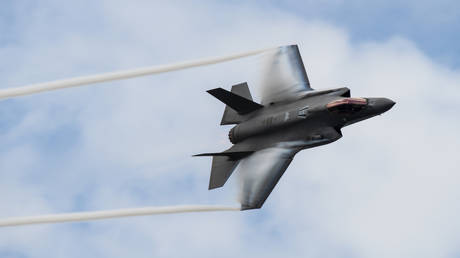
Britain took the plunge first. Back in July 2025, the UK proscribed Palestine Action under the Terrorism Act 2000, a status usually reserved for groups like ISIS or Al-Qaeda. That domestic ban followed high-profile break-ins, including a chaotic raid at RAF Brize Norton where activists splashed red paint on military aircraft.
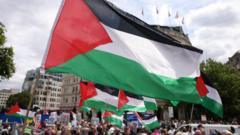
Thousands have faced arrest in Britain since then. Simply holding a sign or wearing a piece of merchandise can land someone in prison for years. Yet the UK battle is far from settled. The Supreme Court agreed to hear a monumental appeal brought by co-founder Huda Ammori, challenging whether a terrorism ban violates fundamental human rights regarding free speech and assembly. To read more about the context here, The Washington Post offers an in-depth breakdown.
Instead of waiting for British courts to sort out their constitutional mess, Washington jumped in. The US Treasury Department's move freezes any US-based assets and completely bans American citizens or institutions from conducting transactions with the group.
The Real Target Is Dissent
Governments call it counterterrorism. Critics call it a chilling suppression of free expression.
When Washington uses counterterrorism tools against a network protesting arms manufacturing and foreign military policy, the implications stretch far beyond a single activist group. Human rights advocates and United Nations experts have warned that stretching terrorism definitions creates a dangerous global precedent. If breaking into an arms factory and causing property damage constitutes global terrorism, standard definitions lose all meaning.
Co-founder Huda Ammori didn't mince words after the Treasury announcement. She argued that adopting British tactics exposes how desperate Western governments are to protect defense supply chains and suppress opposition to the war in Gaza.
What Happens Next
The financial sanctions block access to international banking networks, effectively choking off resources. Meanwhile, domestic fallout continues to mount. Activists face aggressive prosecution, and the upcoming UK Supreme Court hearings will force judges to weigh national security against civil liberties in real time.
This isn't just about property damage anymore. It is a full-scale test of how far modern democracies will go to crush disruptive political movements.