Two specks of volcanic rock in the middle of the South Pacific are causing a massive diplomatic headache for Paris. Vanuatu has officially taken France to the International Court of Justice. It's a bold move. It targets decades of unresolved colonial history and a massive economic prize hidden beneath the waves.
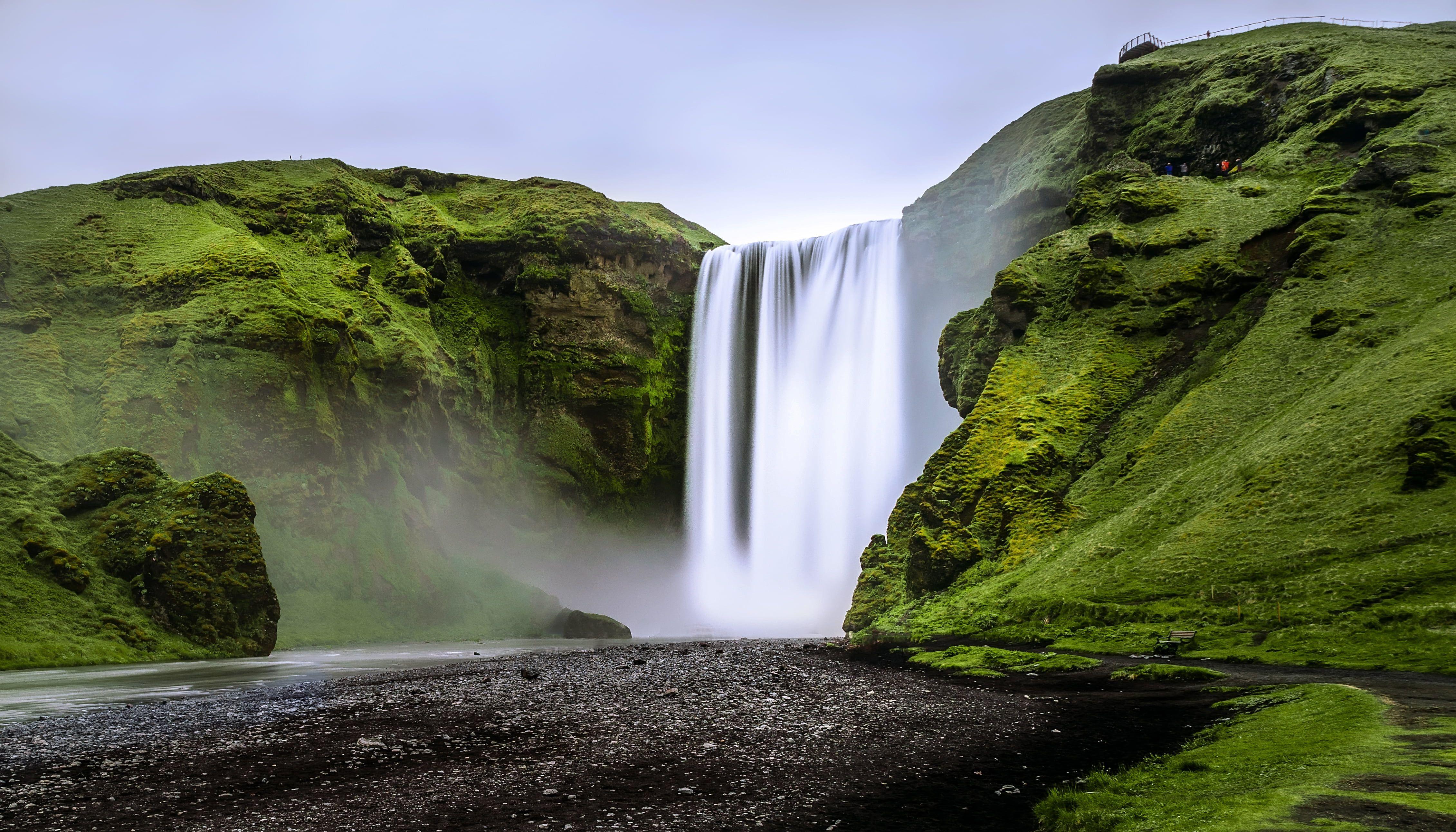
If you look at a map, Matthew and Hunter islands look like nothing. They're tiny, uninhabited, and volcanic. Combined, they barely stretch across one square kilometer of land. Yet, they sit right between Vanuatu and the French territory of New Caledonia. That location changes everything.
Owning those two rocks means controlling a staggering 350,000 square kilometers of exclusive economic zone. That's prime territory for fishing and seabed minerals. France claims them. Vanuatu says they've belonged to its people long before French colonization.
Why Vanuatu Lost Patience With Paris
Bilateral talks don't work forever. Vanuatu and France have argued over Matthew and Hunter islands since Vanuatu gained independence from Britain and France back in 1980. They tried diplomacy. They held rounds of negotiations in 2018, 2019, and late 2025.
Nothing changed. Vanuatu's leaders realized talks were going nowhere.
In May, Vanuatu's Prime Minister Jotham Napat didn't mince words. He accused France of lingering colonialism and threatened legal action if discussions stalled. Now, they've followed through. Vanuatu filed an application at the ICJ in The Hague invoking a mechanism known as forum prorogatum.
This legal route lets a country file suit even if the target nation hasn't automatically accepted the court's compulsory jurisdiction. France dropped its automatic ICJ acceptance decades ago after losing cases over nuclear testing in the Pacific.
Paris can simply say no.
The French Response and Domestic Politics
France isn't giving up an inch. Speaking at a regional Pacific meeting in Palau, Éléonore Caroit, a junior minister at the French Foreign Ministry, made Paris's stance crystal clear. She called the French position firm and open to dialogue, but drew a hard line on territorial ownership.
Sovereignty was never on the table.
France has domestic pressures to worry about too. Far-right politicians in Paris, including figures like Marine Le Pen, watch President Emmanuel Macron like hawks. They accuse his administration of trying to abandon French overseas territories. Handing over Matthew and Hunter would trigger a political firestorm at home.
So France digs in its heels. When notified by the ICJ, Paris stated it would review the application regarding jurisdiction and merits, but nobody expects them to roll over.
What Happens If France Says No
Vanuatu has a backup plan. If Paris refuses to consent to the ICJ's jurisdiction, Vanuatu's officials have already signaled they'll take the fight to the United Nations General Assembly. They want a majority vote to request an advisory opinion from the court.
It's a clever chess move. It keeps international pressure mounting on France's regional footprint.
Vanuatu isn't fighting alone, either. Pro-independence groups in New Caledonia, known as Kanaky, heavily back Vanuatu's claim. Customary Indigenous leaders in New Caledonia recognize the islands as part of Vanuatu's cultural sphere.
The Real Resource Battle
Let's talk about why everyone cares about rocks nobody can live on. It is all about the water.
Under the United Nations Convention on the Law of the Sea, maritime boundaries stretch outward from land. Control the island, and you control the ocean around it. We are talking about hundreds of thousands of square kilometers of rich fishing grounds and valuable seabed minerals.
In a region where superpowers like China and the United States are aggressively wrestling for geopolitical influence, every square mile of ocean matters. France wants to maintain its Indo-Pacific strategy. Vanuatu wants to finish its decolonization story.
The ball is now in Paris's court. They can face the judges in The Hague, or they can risk looking like a reluctant colonial power clinging to the past in a modern Pacific.