Numbers don't feel real until you see the dust clearing over shattered concrete. The news that the Venezuela earthquake death toll has risen to 235 isn't just a tragic headline. It's a stark, brutal reminder of what happens when natural vulnerability meets compromised infrastructure. Emergency crews are still digging through rubble. Families are waiting by collapsed walls. The situation on the ground is changing fast, but the underlying lessons are already blindingly clear.
People search for these updates because they want to know how a disaster gets this bad. They want to know if their loved ones are safe, what caused the ground to tear apart, and why certain buildings pancaked while others stood. The hard truth is that earthquakes don't kill people by themselves. Falling buildings do. When an earthquake hits a region with fragile infrastructure, the results are always devastating.
This isn't a freak isolated event. It's the inevitable outcome of geography and structural neglect. If we don't look closely at why this happened, we're guaranteed to see the exact same headline somewhere else soon.
The Grim Reality Behind the Numbers in Venezuela
The jump to 235 confirmed fatalities shows how difficult the initial rescue phase has been. In the hours immediately following a major tremor, communication lines snap. Power grids fail. Local authorities struggle to get an accurate count because entire neighborhoods in mountainous or densely populated areas become completely cut off.
Rescue teams have been working around the clock using light machinery and, in many cases, their bare hands. The search is concentrated on older residential zones where multi-story concrete buildings lacked modern seismic reinforcing. First responders are dealing with compromised roads, making it incredibly tough to move heavy excavation equipment into the hardest-hit sectors.
Hospitals in the affected areas were immediately overwhelmed. Medical staff face shortages of basic surgical supplies, clean water, and backup power. This logistical bottleneck means the injury count is climbing alongside the fatalities. When a hospital has to choose who gets treated based on dwindling oxygen tanks, the disaster stretches far beyond the initial shockwave.
Why Venezuelan Cities Aren't Ready for Big Shakes
Building codes exist for a reason. In theory, urban centers along seismic zones are supposed to enforce strict engineering guidelines. In practice, economic realities and rapid, unplanned urban expansion create a recipe for catastrophe.
Many of the structures that collapsed in this recent disaster were built during rapid population booms decades ago. Think unreinforced masonry. Think heavy concrete roofs supported by thin, brittle pillars. When the ground moves horizontally during a major strike-slip fault event, these top-heavy buildings sway violently until the ground floor simply gives way.
- Unregulated construction: Millions of people live in informal settlements built on steep hillsides. These self-built homes use cheap materials and completely lack engineering oversight.
- Lack of maintenance: Public infrastructure and older apartment complexes have gone years without structural assessments or retrofitting.
- Soil issues: Certain urban areas are built on soft alluvial soils that amplify seismic waves, turning a moderate shake into a violent, destructive force.
You can't fix decades of structural neglect during a crisis. It takes years of steady investment and strict code enforcement to make a city resilient. When those elements are missing, a tremor exposes every single shortcut ever taken by developers and regulators.
A History of Tremors Along the Fault Lines
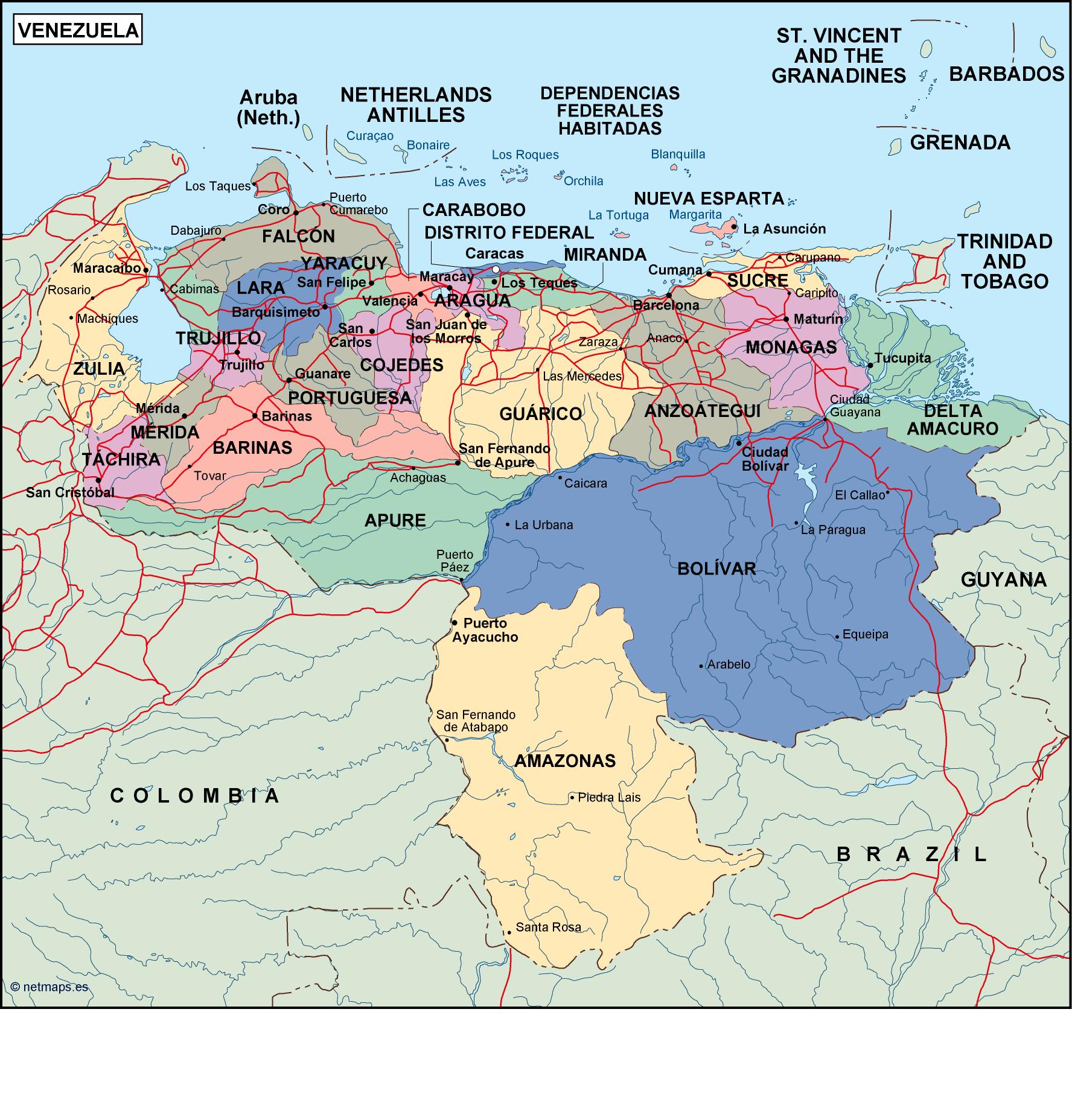
Venezuela is not a stranger to seismic activity. The country sits right at the complex boundary where the Caribbean Plate slides past the South American Plate. This boundary features massive fault systems, including the Boconó fault, the San Sebastián fault, and the El Pilar fault. These geological fissures run right under or near some of the most populated cities in the nation.
We've seen this play out before. The 1967 Caracas earthquake left deep psychological and physical scars, destroying several modern high-rises and killing over 200 people. Decades later, the 1997 Cariaco earthquake shattered schools and homes in the eastern part of the country.
Geologists at organizations like the Venezuelan Foundation for Seismological Research (FUNVISIS) have spent years mapping these zones. They know exactly where the stress builds up. The problem isn't a lack of scientific knowledge. The problem is the massive gap between knowing a disaster is coming and actually spending the money to prepare for it. The earth operates on geological time, and humans tend to forget the last disaster the moment the ground stops shaking.
What Needs to Happen Right Now to Save Lives
The immediate focus has to stay on search and rescue. The survival window for people trapped under rubble shrinks drastically after the first 72 hours. International aid agencies and local volunteer networks need clear, unhindered access to transport food, clean water, and field medical units into the impact zones.
Beyond the immediate rescue efforts, structural engineers must immediately inspect standing buildings in the impact zone. A building that looks fine from the outside might have severe internal fractures, making it highly susceptible to collapsing during a strong aftershock.
Long-term survival depends entirely on changing how we build. If cities continue to allow cheap, unreinforced concrete structures to fill their skylines, the next major shift along the Caribbean plate will simply repeat this tragedy. Governments and local councils must prioritize retrofitting schools, hospitals, and emergency hubs. It's expensive, tedious work, but it's the only proven way to keep the death toll from rising the next time the ground moves.