Air travel in Venezuela is clawing its way back to life. Ten weeks after a pair of violent tremors tore through the country, Simón Bolívar International Airport has finally reopened for commercial flights on a limited basis.
If you have tried booking a flight into Caracas lately, you know the chaos. The June 24 twin earthquakes—measuring 7.2 and 7.5 in magnitude—devastated the region. They left runways shattered, control towers compromised, and more than 6,500 people dead. For months, travelers had to route through distant regional hubs in Carabobo or Anzoátegui just to get anywhere near the capital. For a different view, check out: this related article.
Now, the main gateway in Maiquetía is back online, even if it looks entirely different.
What Travelers Face at Simón Bolívar International Airport Today
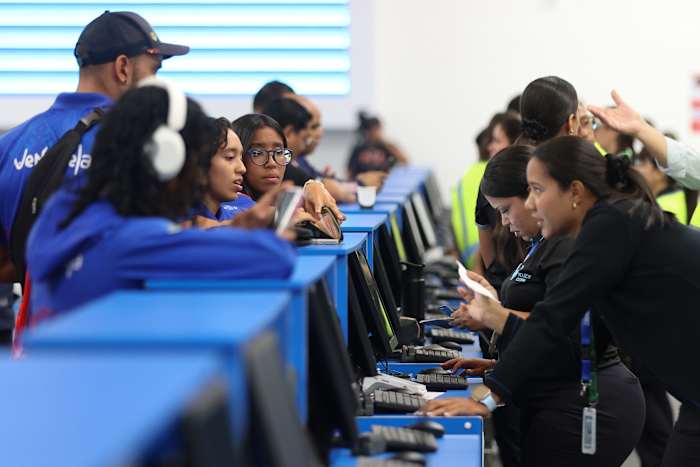
Don't expect the usual terminal experience right away. Officials haven't finished repairing the heavy structural damage to the main boarding and disembarking buildings. Instead, authorities built a massive temporary structure spanning 10,000 square meters right in the airport parking lot. Related insight on this matter has been provided by Travel + Leisure.
This pop-up terminal handles the basics. It features check-in desks, waiting lounges, medical support, and Wi-Fi. Buses shuttle passengers directly from this temporary setup out to waiting planes on the tarmac.
Transportation Minister Francisco Garcés noted that this initial phase aims to claw back about 25 percent of pre-earthquake traffic. It is a slow start, but it beats driving hours across the country from alternative airstrips.
The Phased Recovery Plan
Rebuilding a nation's primary aviation artery takes time, money, and strict safety audits. International organizations had to inspect and certify the temporary facilities before a single commercial jet could touch down.
The schedule right now is tight. Operations kicked off with a mix of domestic routes alongside initial international round-trips from Copa Airlines and Air Europa. European carriers like Iberia plan to fold back into the schedule soon.
Officials outlined a modest timeline for scaling up:
- Reaching 40 percent capacity within the next few months.
- Hitting 60 percent capacity by the end of the year or early next year.
La Guaira state bore the brunt of the disaster. As Venezuela's second-smallest state, its local economy relies heavily on the airport and its neighboring port. Getting flights moving again means local workers can finally start returning to tourism, commerce, and logistics jobs that vanished overnight.
What This Means for Your Travel Plans
If you are planning a trip to Caracas anytime soon, stay flexible. Airlines are operating on restricted schedules, and aircraft swaps or bus transfers at Maiquetía add extra steps to your itinerary.
Check directly with carriers like Copa, Air Europa, or Iberia before heading to the airport. Confirm whether your flight departs from Simón Bolívar or if airlines are still utilizing regional alternatives during this transition window. Keep an eye on local advisories, pack your patience, and expect a vastly altered airport footprint until permanent repairs wrap up.