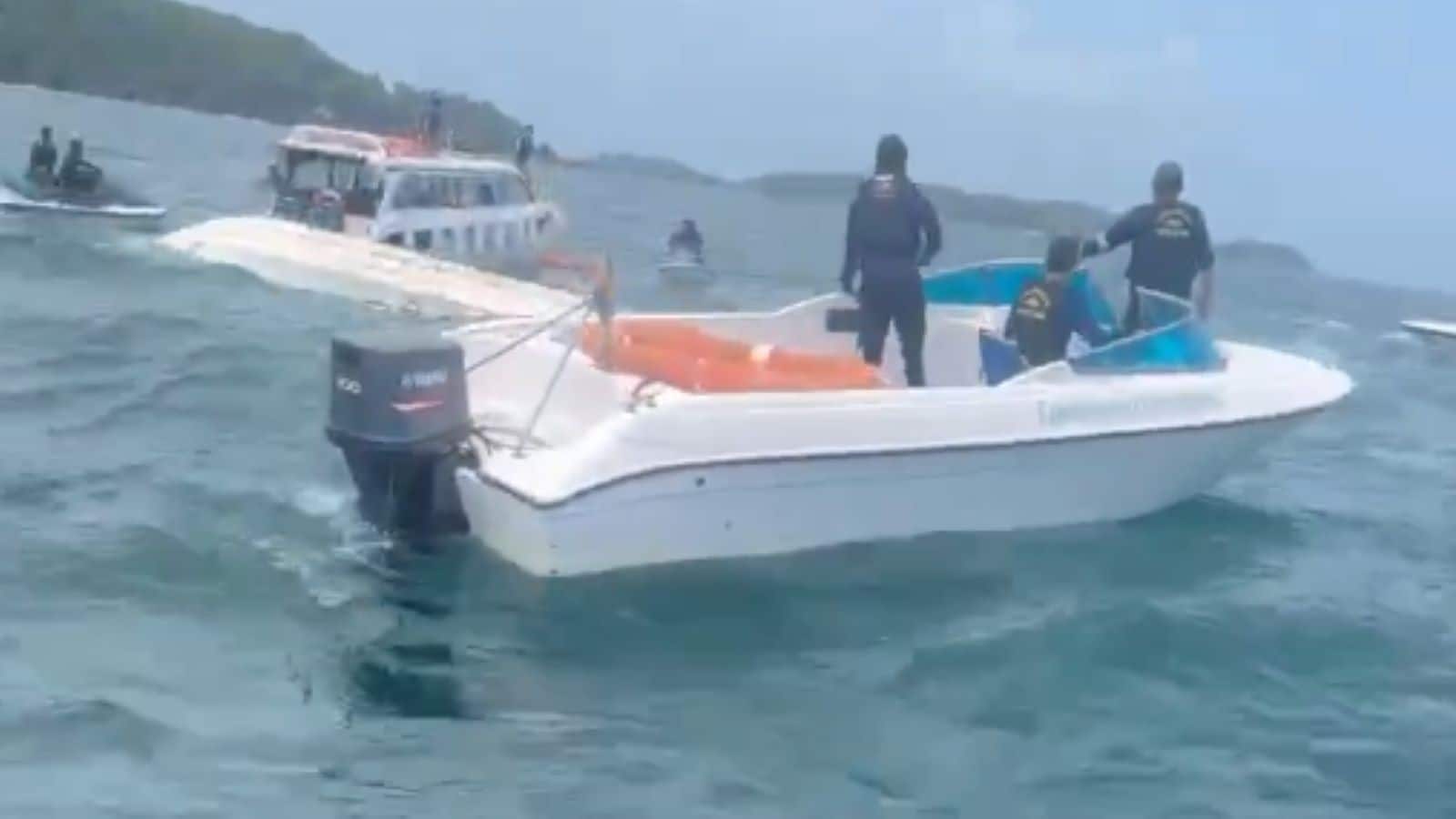
A sudden wave, a flipped hull, and a dream vacation turns into a national tragedy. On July 11, 2026, a speedboat carrying 32 Indian tourists capsized just 400 meters off the coast of Hon May Rut Ngoai island near Phu Quoc, Vietnam. Fifteen people lost their lives. Vietnamese police moved fast, detaining the 57-year-old captain, Nguyen Hong Hai, under criminal investigation for safety violations.
This wasn't just a freak accident. It highlights a dark side of rapid tourism growth where speed and profit often outpace basic passenger safety. If you travel frequently or book island-hopping tours, this event should change how you look at tourist transport.
The Anatomy of the Phu Quoc Incident
The ill-fated trip started with excitement. The passengers were part of a company-sponsored reward trip organized by the Indian smartphone maker Lava International. They sent employees, distributors, and retail partners on what was supposed to be a celebratory getaway. The group consisted mostly of people from southern India, including Tamil Nadu, Andhra Pradesh, and Kerala.
The group split into three batches to travel between the islands of the An Thoi Archipelago. The first boat left without issue. The second boat loaded 32 Indian tourists alongside four Vietnamese nationals, which included three crew members and a tour guide.
Just minutes after departing the islet around 1:00 PM, disaster struck. The sea grew rough. Sudden, massive waves reaching up to three meters high battered the vessel. Within seconds, the speedboat turned completely upside down.
Vessel Capsize Data Summary:
- Total Passengers: 36 (32 Tourists, 4 Crew/Guide)
- Casualties: 15 Indian Nationals
- Location: 400 meters off Hon May Rut Ngoai, Vietnam
- Primary Cause under Investigation: Heavy waves and safety violations
Survivors recall everything happening in the blink of an eye. People screamed for help as they got thrown into the churning water. Some got trapped inside the capsized vessel, forced to kick out windows and escape through the narrow bow as the boat filled with water.
Nearby boat operators saw the overturned hull and rushed to help. A local pilot, Ha Van Loc, spotted the disaster at 12:40 PM and managed to pull four survivors out using life buoys on ropes. He couldn't get his boat too close because he feared his propellers would cut the people swimming for their lives. Jet skis eventually arrived to shuttle survivors back to the beach.
Despite the rapid response of local boaters, 15 people died. Ten victims came from Tamil Nadu, three from Andhra Pradesh, and two from Kerala. The Indian Embassy in Hanoi quickly coordinated with local authorities to move the remains to Ho Chi Minh City for repatriation.
The Illusion of Safety Equipment
Initial reports bring up a troubling detail that happens on almost every tropical vacation tour. The passengers were instructed to wear life jackets before they left the dock. However, many carried them in their hands or left them unbuckled because of the heat.
When a boat flips, an unworn life jacket is useless.
You can't put a jacket on while you are underwater, trapped under a fiberglass roof, or spinning in a current. Eyewitnesses noted that several victims were struggling in the three-meter waves without their jackets secured. This is a massive issue in tourist hotspots globally. Operators check the box by having the equipment on board, but they rarely enforce its proper use once the engine starts.
Captain Nguyen Hong Hai faces severe scrutiny. The An Giang Department of Public Security stated the case shows clear signs of criminal violations. Vietnamese Prime Minister Le Minh Hung ordered an immediate, thorough inquiry into the operator's actions. Did the captain overload the boat? Did he ignore explicit maritime weather warnings? The suspension of all speedboat tours around the An Thoi Archipelago suggests that authorities know the system failed well before the boat flipped.
The Reality of Corporate Reward Trips
Corporate incentive trips are massive operations. Companies like Lava International book these packages through third-party destination management agencies. These agencies hire local subcontractors who often operate on razor-thin margins.
When you get hundreds of people moving through an itinerary, logistics get rushed. The desire to keep the schedule moving overrides the gut feeling that says the water looks too rough.
If you manage corporate travel or find yourself on one of these trips, you need to know that your company probably did not vet the individual boat pilots. They vetted a travel agency, who vetted a tour operator, who hired a local guy with a boat. The chain of accountability breaks down long before you step onto the wet deck.
The Systemic Issue in Island Tourism
Southeast Asian island-hopping tours are notorious for operating in a gray zone. Regulations exist on paper, but enforcement varies wildy from pier to pier.
Tourists want fast transit. Operators want maximum turnover. This combination leads to overpowered speedboats packed to maximum capacity running through unpredictable open waters.
Phu Quoc has exploded in popularity over the last few years. It went from a quiet island to a massive hub for international travelers. Infrastructure grew fast, but maritime oversight didn't keep pace. When rough weather hits rapidly, light speedboats lack the stability to handle heavy swells compared to traditional, heavier wooden displacement hulls.
How to Protect Yourself on Coastal Tours
You cannot rely on local tour operators to value your life more than their daily payout. You have to take control of your own safety. Here is how you do it next time you book a coastal excursion.
Inspect the Vessel Before Boarding
Don't just jump on the boat because everyone else is doing it. Look at the water line. If the boat sits low before you even get in, it's overloaded. Look for visible cracks, worn-out structural frames, and the condition of the outboard motors.
Buckle Up Immediately
Never hold your life jacket on your lap. Put it on, zip it up, and pull the straps tight before the boat unties from the dock. If the operator tells you it's fine to take it off, ignore them.
Check the Weather Yourself
Don't trust the guide who says the weather is perfect. Use apps like Windy or MarineWeather to check localized wave heights and wind speeds. If waves exceed 1.5 meters, avoid small speedboats completely.
Locate the Exit Points
If the speedboat has a canopy or a closed cabin, identify your way out. If it capsizes, the cabin becomes a death trap. Sit near the open back or sides if possible so you don't get trapped under the hull if things go sideways.
Actionable Next Steps for Travelers
Cancel any tour where the operator refuses to provide properly fitting personal flotation devices for every individual.
Demand to see the maritime license if you doubt the captain's capability.
If the water looks rough and your gut tells you to stay on dry land, forfeit the money and walk away. A lost booking fee is nothing compared to your life. The Phu Quoc tragedy proves that the sea does not care about your vacation plans, and local regulations will only protect you after the disaster has already happened. Avoid the crowds, pay attention to the water, and never assume someone else has vetted your safety.