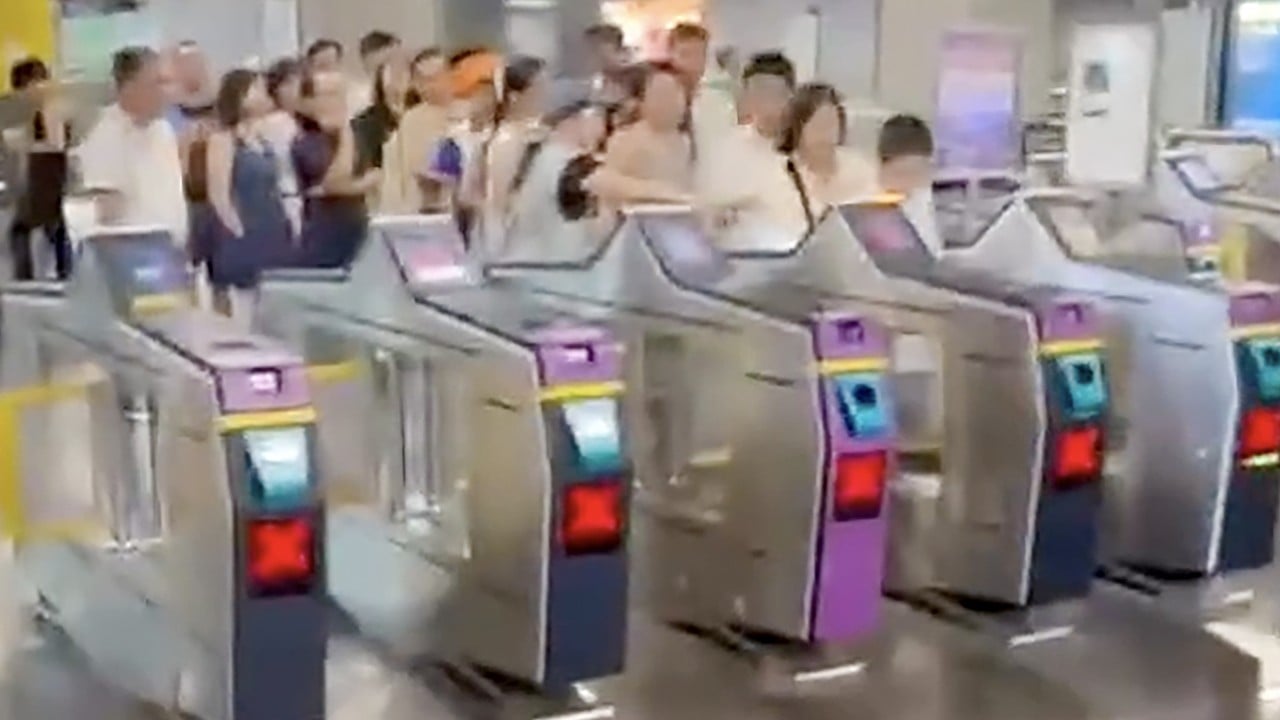
You've probably seen the clip by now. A crowd of people squeezing through turnstiles behind a single tapped ticket at Tsim Sha Tsui Station, exploiting the system while voices shout to hurry up. It went viral online, and honestly, it forces us to look past the usual commuter annoyance into deeper security flaws within public transit.
When a video surfaces showing dozens of individuals bypassing MTR fare gates in broad view, local transit systems can't just brush it off as an isolated incident. The MTR Corporation quickly responded by filing a formal police report and vowing to step up station patrols. But higher fines and extra guards only scratch the surface of a much bigger operational puzzle.
What Actually Happened at Tsim Sha Tsui Station
Surveillance footage reviewed by the rail operator indicates the mass gate-crushing took place around 11:00 PM on August 23. Reports point to groups—including tourists led through turnstiles by individuals tapping once and letting multiple people trail right behind—exploiting physical exit mechanisms. In some sequences, up to seven people streamed through a single authorization tap.
Hong Kong police logged the case for follow-up after MTR staff flagged that dozens of people attempted to tailgate past barriers. It's brazen. It's illegal. And it highlights how easily physical gate designs can be overwhelmed when crowds surge or coordination happens off-camera.
The Real Cost of Transit Gate Hopping
People often think fare evasion is a victimless crime against a massive corporation posting multibillion-dollar property-backed profits. That's a lazy way to look at it.
Every dollar lost to gate-crushing chips away at the maintenance budgets required to keep one of the densest transit networks on earth running smoothly. MTR handles millions of daily trips. When large-scale cheating becomes normalized on social media, copycat behavior spikes. Fines and surcharges under local MTR by-laws exist for a reason, but enforcement is tough when stations are packed.
How Transit Networks Must Adapt
Station guards can't stand at every single barrier 24 hours a day. Relying solely on manual patrols creates a game of whack-a-mole. If the MTR wants to stop mass fare evasion permanently, physical infrastructure has to change.
- Upgrade Gate Design: Standard waist-high optical turnstiles are too easy to slip through or hold open. Tighter, full-height or speed-gate barriers make tailgating physically punishing.
- AI-Powered Gate Monitoring: Smart cameras can instantly detect when multiple bodies pass through a single ticket validation, alerting nearby staff before groups disperse.
- Stricter Penalties: Publicly prosecuting high-profile ringleaders sends a clear message that social media clout won't protect you from criminal liability.
If you spot suspicious activity underground, don't just film it for online clout. Alert station personnel immediately so operators can catch offenders in the act instead of chasing viral shadows days later.
Hong Kong Tourist Tries to Fare Evade and Publicly Shames Staff
This video is relevant because it discusses a related incident involving a tourist attempting to evade transit fares and dealing with the subsequent fallout with station employees.
http://googleusercontent.com/youtube_content/1